
The University of Cádiz welcomes 371 international students in the second semester 18 February 2026
During the 2025–2026 academic year, international mobility students will exceed one thousand, representing more than 40 countries
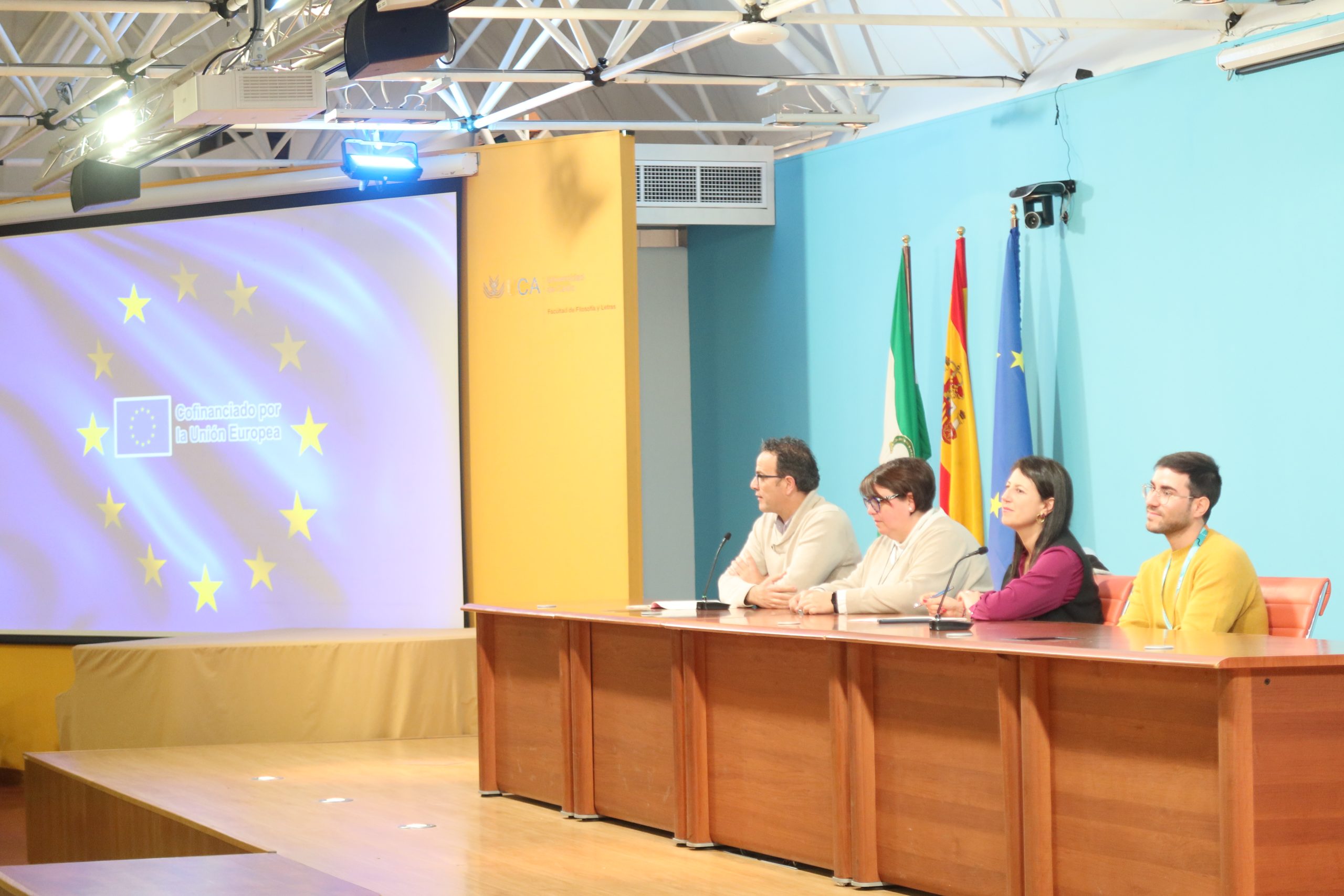
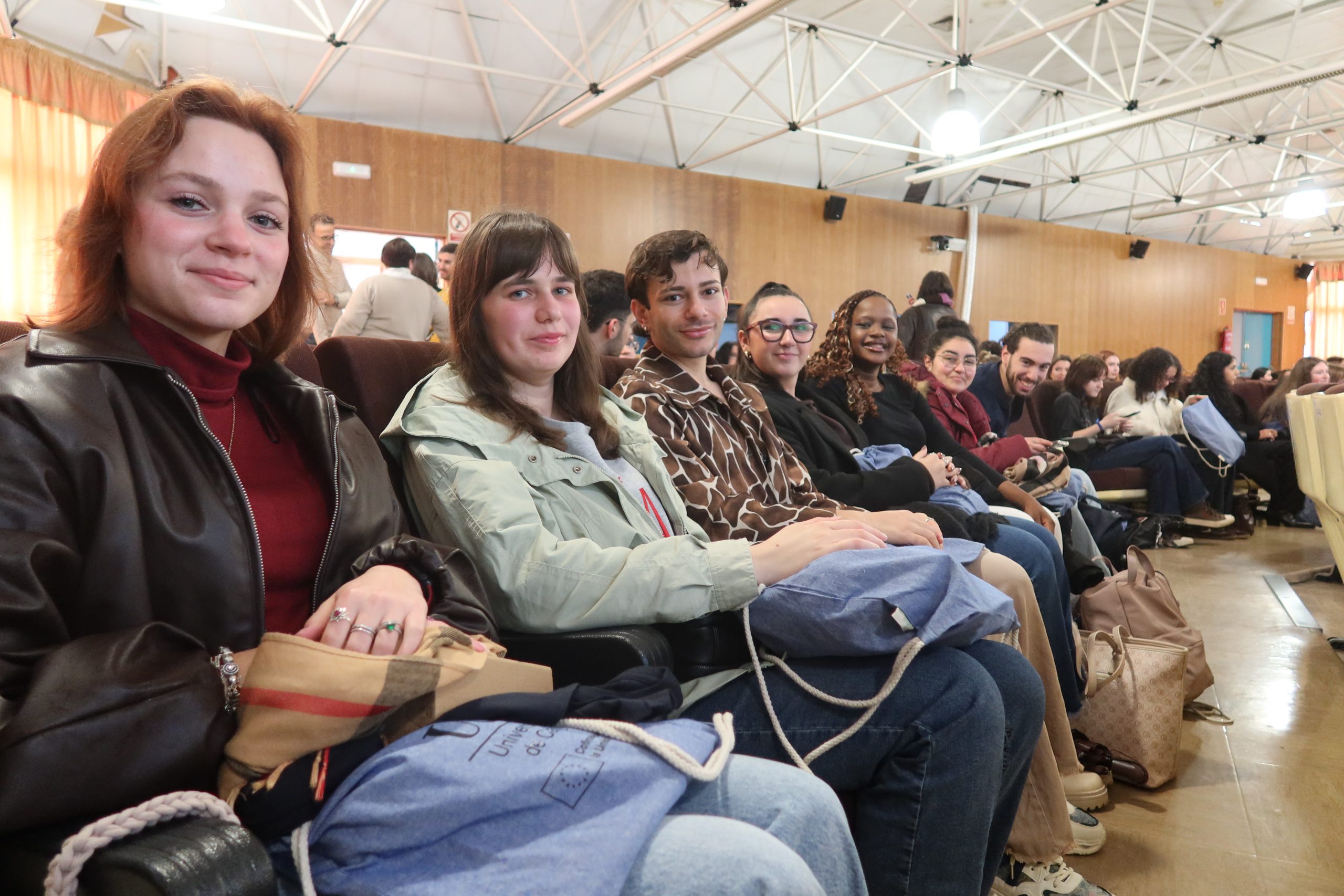
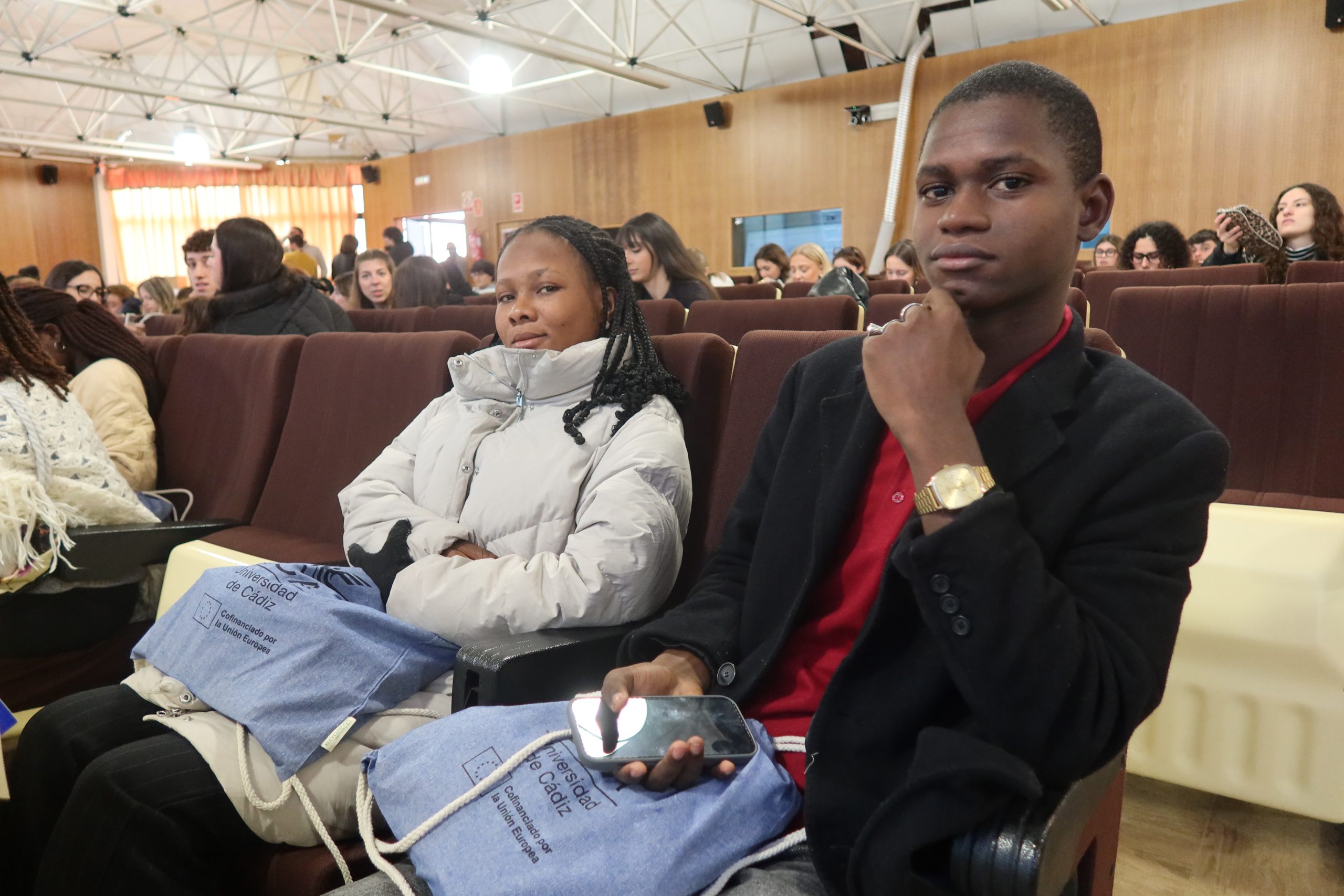
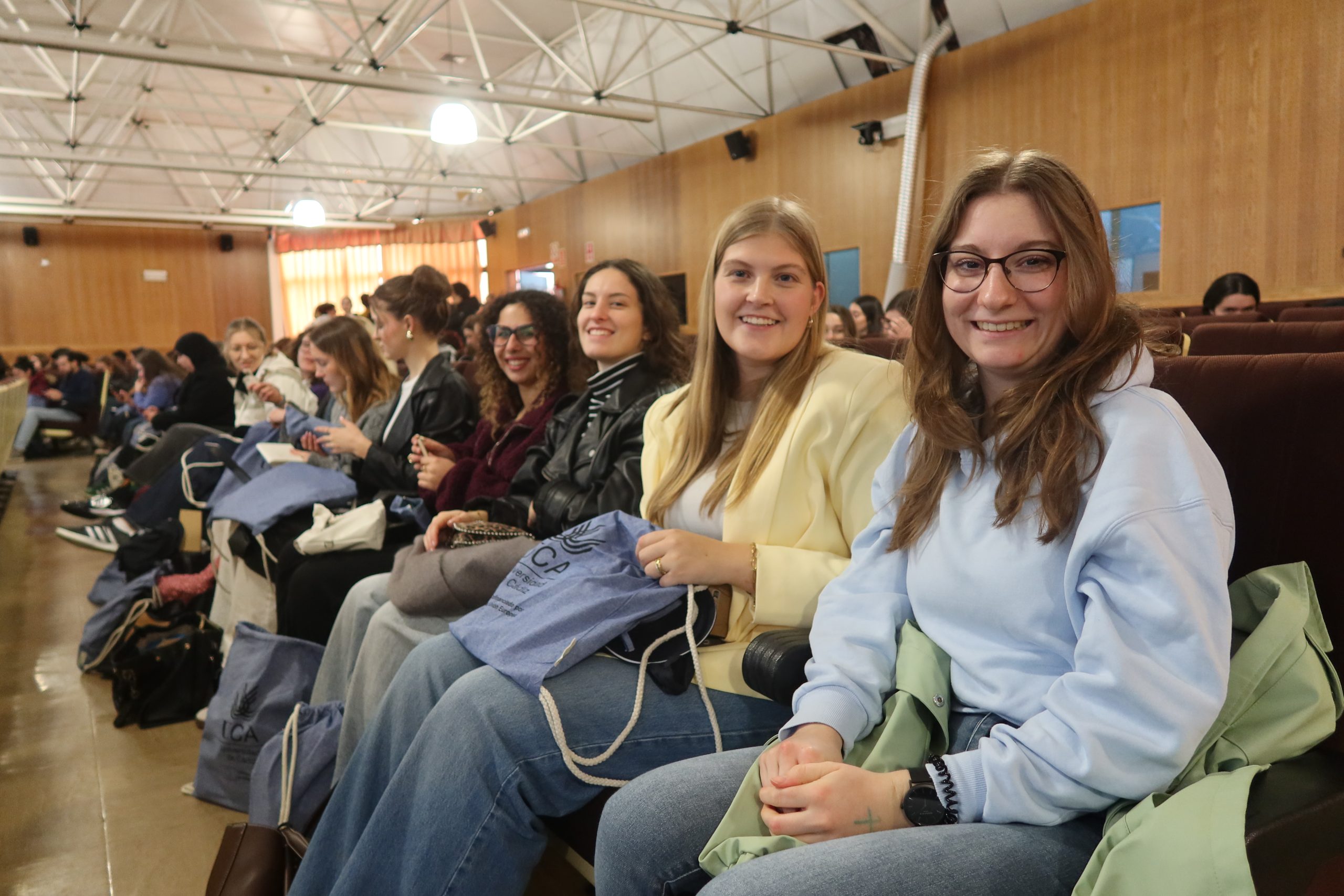
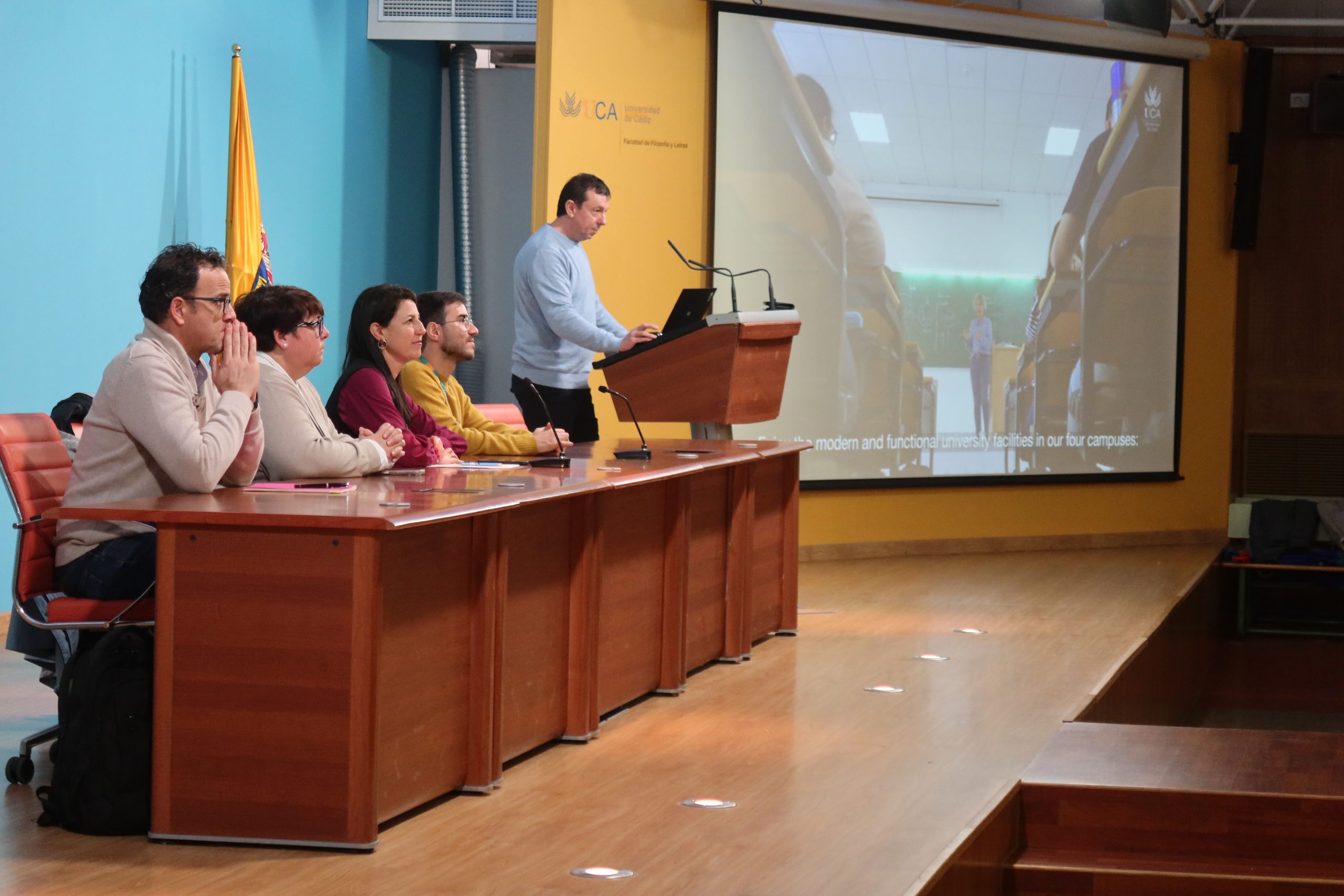
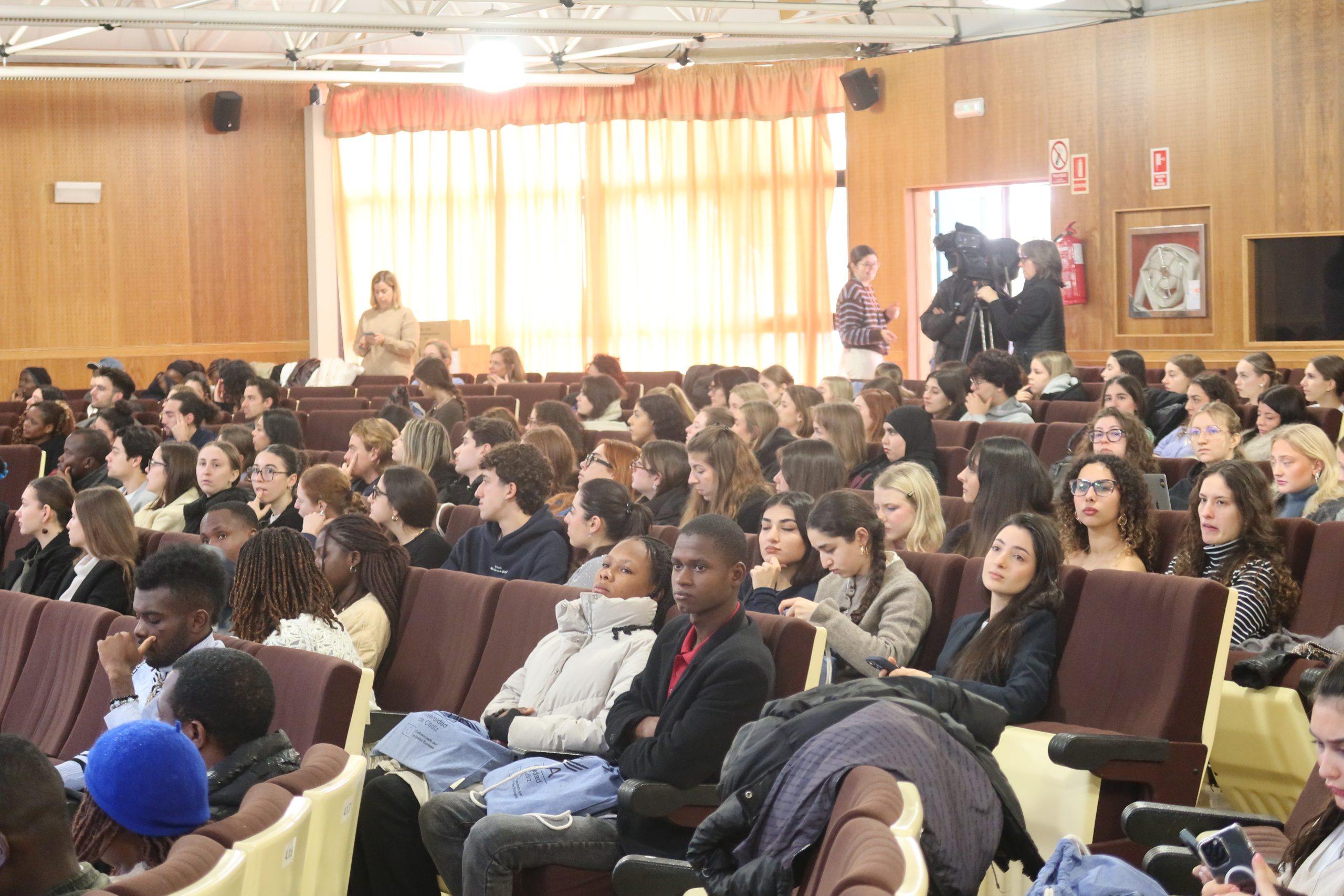
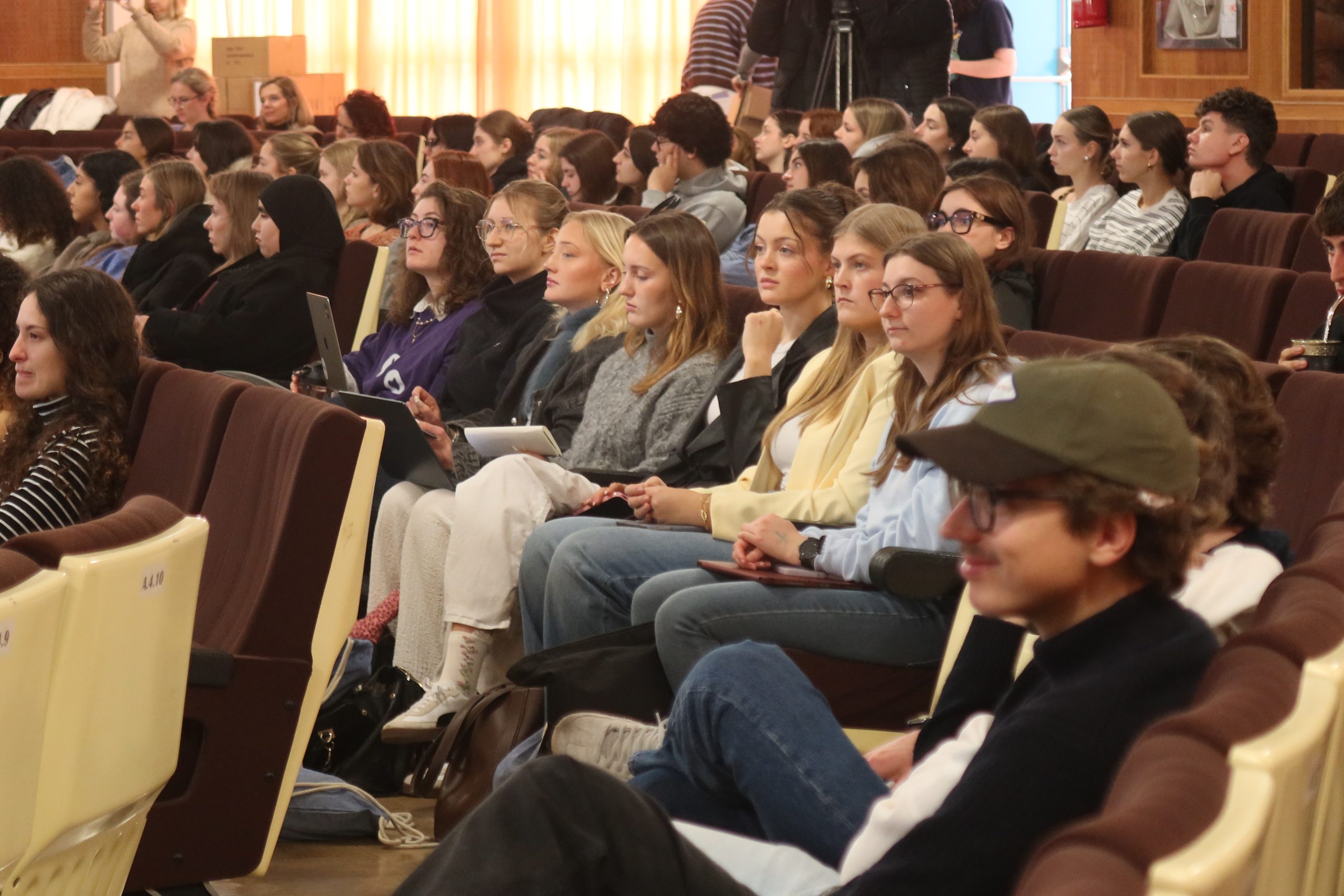
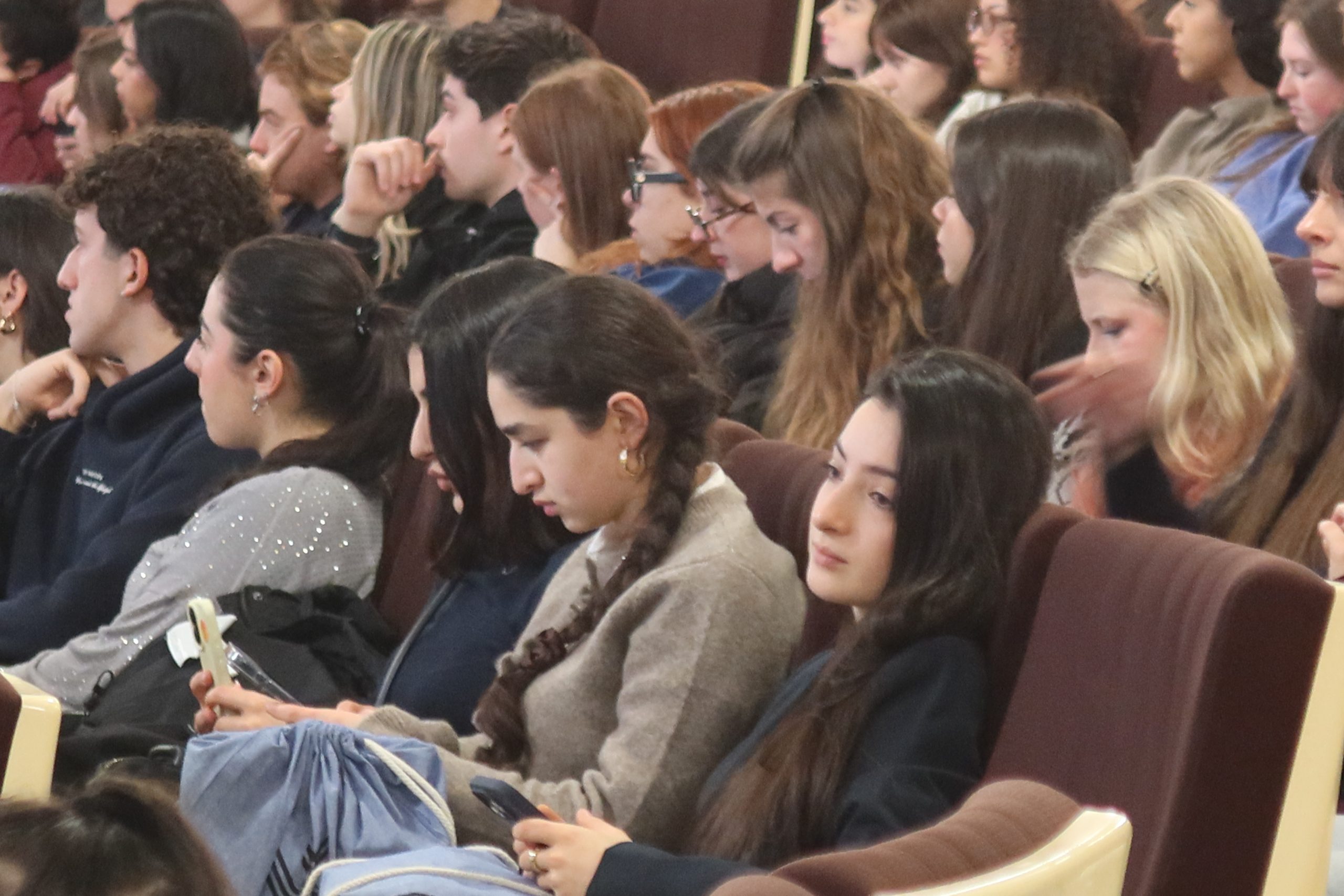
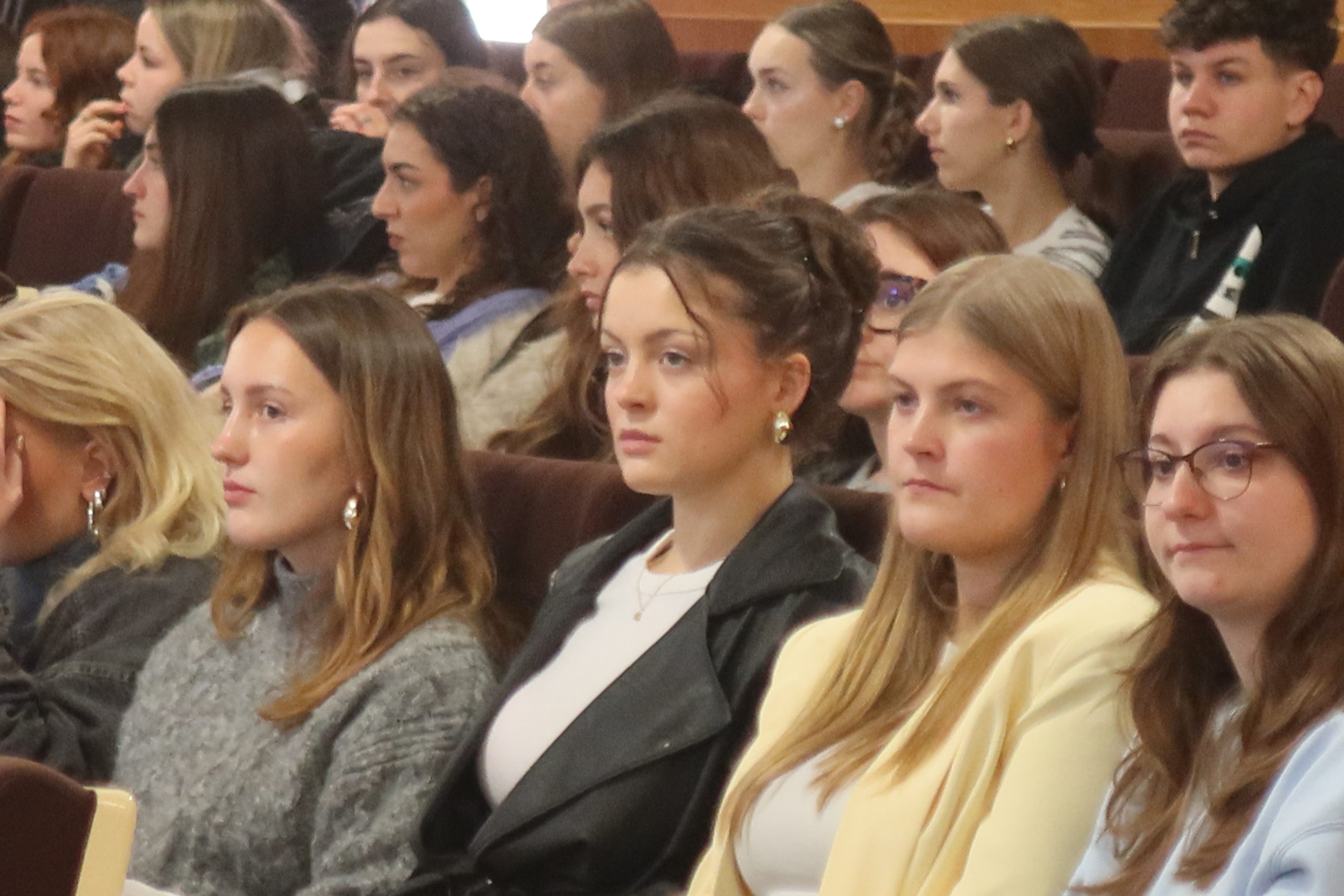
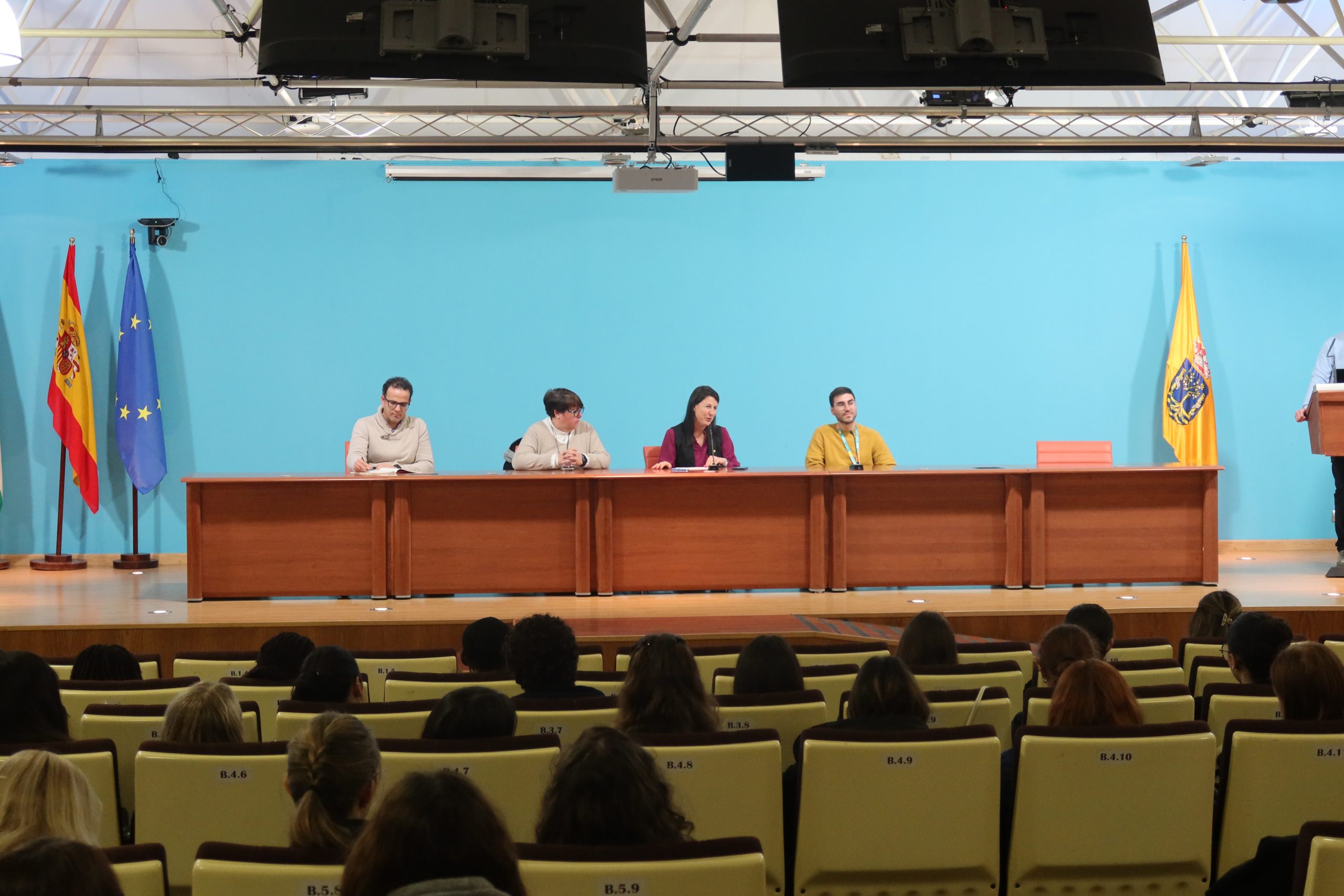
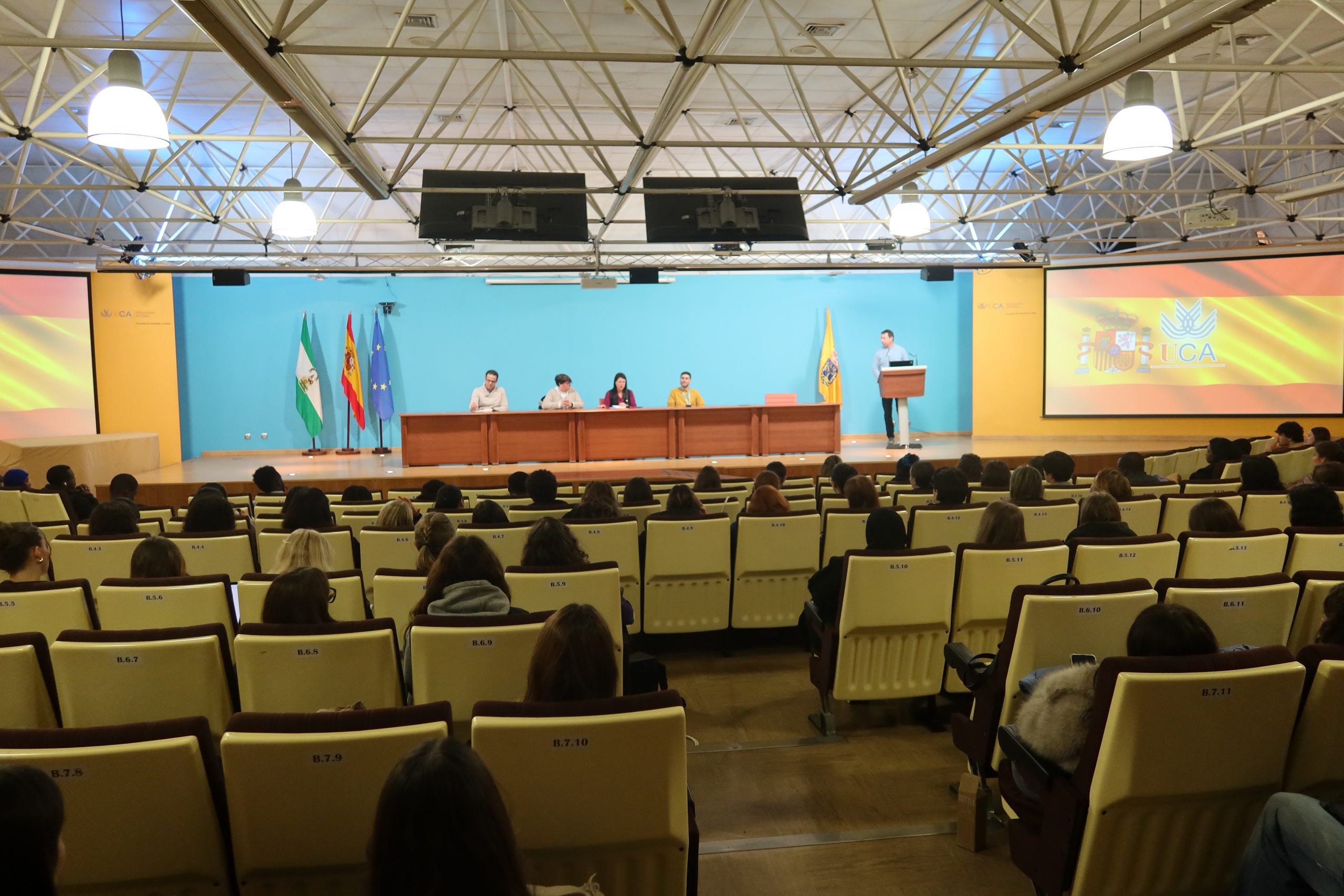
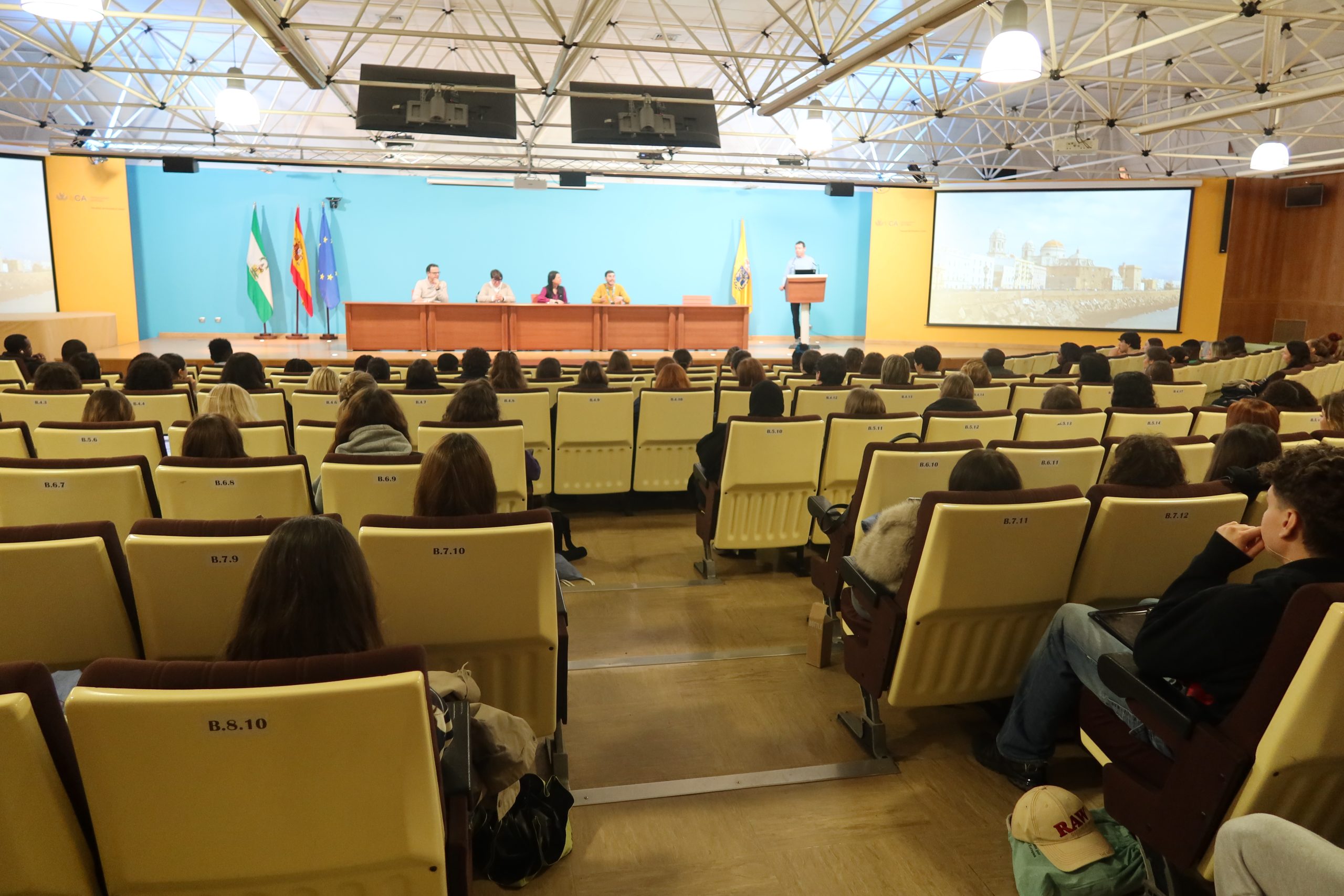
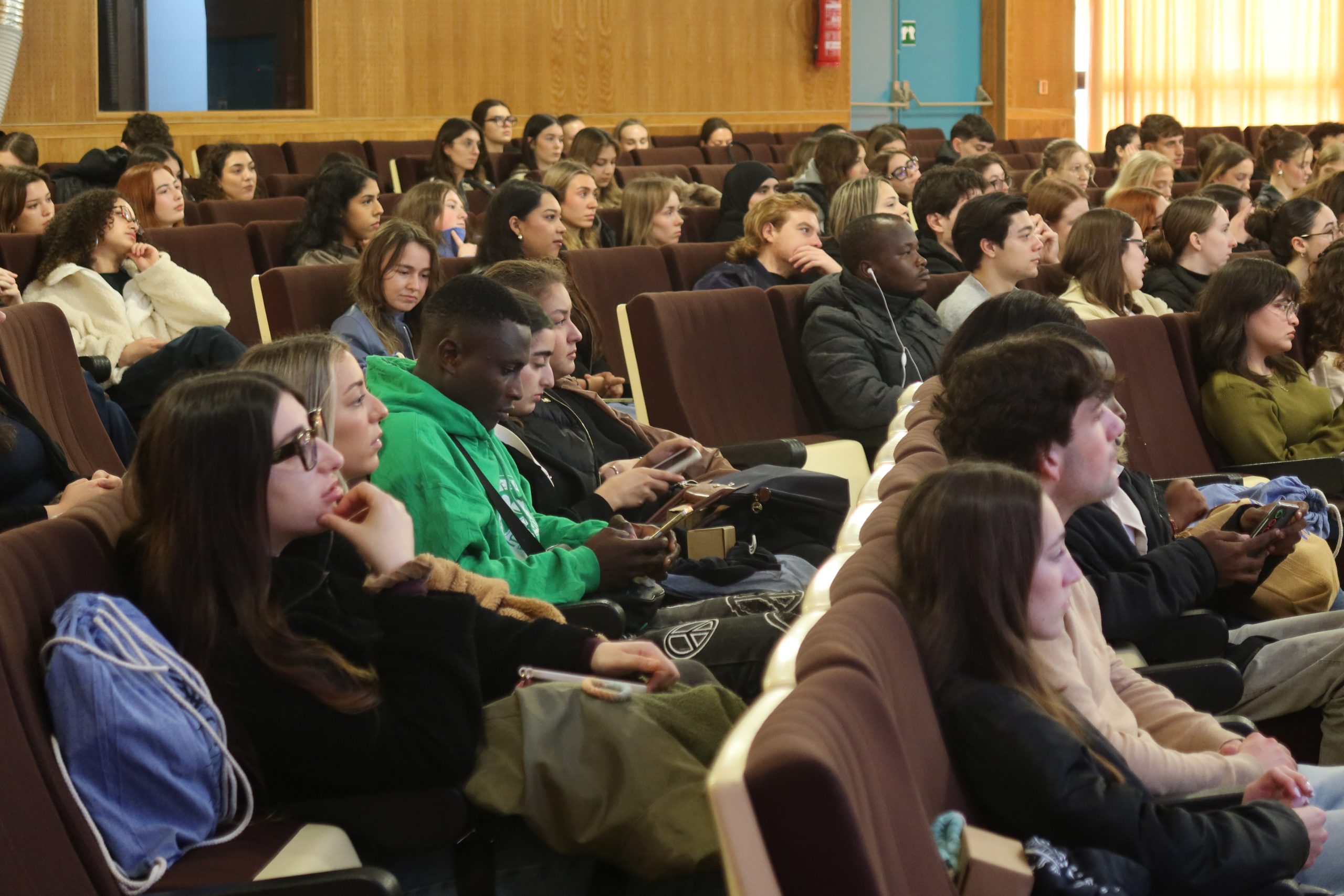
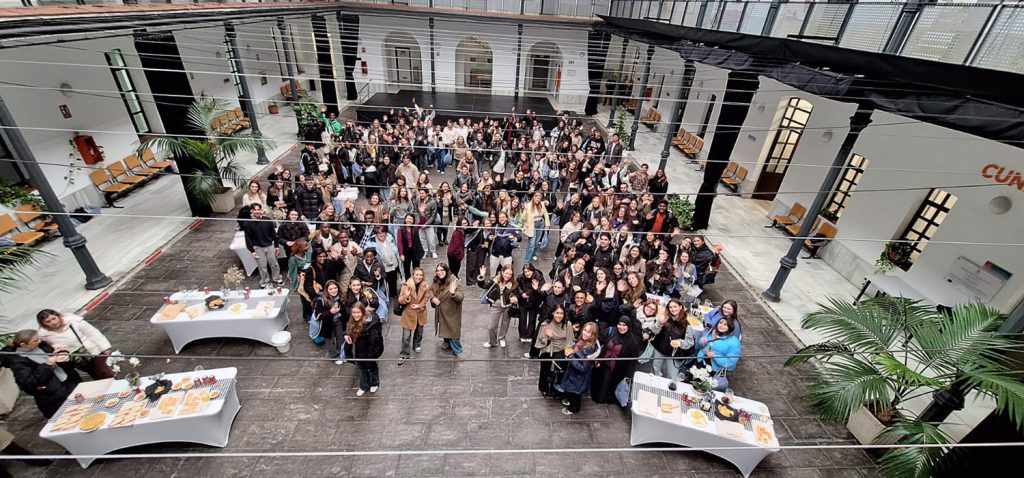
The University of Cádiz has held the central welcome event for international students joining in the second semester of the 2025–2026 academic year. In total, the University is welcoming 371 new students, who join the 632 students who arrived last September, bringing the total number of international mobility students this academic year to 1,003.
The event took place in the Assembly Hall of the Faculty of Philosophy and Letters on the Cádiz Campus and is complemented by additional welcome sessions across the campuses of Puerto Real, Jerez and Bahía de Algeciras. Of the 371 students joining this semester, 275 are participating in the Erasmus KA131 programme, 53 through Erasmus KA171, and 43 as visiting students. During the second semester, the University of Cádiz will host a total of 533 international students, including the 371 new arrivals and 160 full-year students who began their stay in September.
In terms of campus distribution for the second semester, Cádiz hosts 210 international students, followed by Puerto Real with 97, Jerez with 62 and Algeciras with 2 students.
Students come from universities in Albania, Germany, Algeria, Argentina, Armenia, Austria, Belgium, Brazil, Burkina Faso, Bhutan, Cape Verde, Colombia, Côte d’Ivoire, Croatia, Cuba, Denmark, Ecuador, Slovakia, the United States, France, Hungary, Ireland, Italy, Kazakhstan, Mexico, Montenegro, Norway, Palestine, Poland, Portugal, the United Kingdom, the Czech Republic, Romania, Senegal, Tanzania, Togo, Turkey, Ukraine and Uzbekistan, reflecting the University’s strong international profile.
By faculty, the Faculty of Philosophy and Letters hosts the highest number of international students during the academic year, with 235 students, followed by the Faculty of Economics and Business Studies with 119 and the Faculty of Education with 59.
Among the most represented nationalities are Italy (82 students), Germany (58), France (47), Mexico (24) and Poland (23).
Within the framework of the SEA-EU European Alliance, the University of Cádiz is welcoming 27 students this semester from partner institutions, including the University of Western Brittany (10), the University of Gdańsk (2), the University of Naples Parthenope (5), the University of Algarve (1), Kiel University (1), the University of Split (7) and Nord University (1). For the full 2025–2026 academic year, the total number of students arriving from SEA-EU partner universities amounts to 76.
With these figures, the University of Cádiz further strengthens its international projection and consolidates its position as a reference institution in academic mobility, promoting cultural exchange, university cooperation and education within a global environment.