
The University of Cádiz presents the autonomous sailboat ‘SalUCA’ after narrowly missing victory in the Micro Ruta de la Sal 3 May 2026
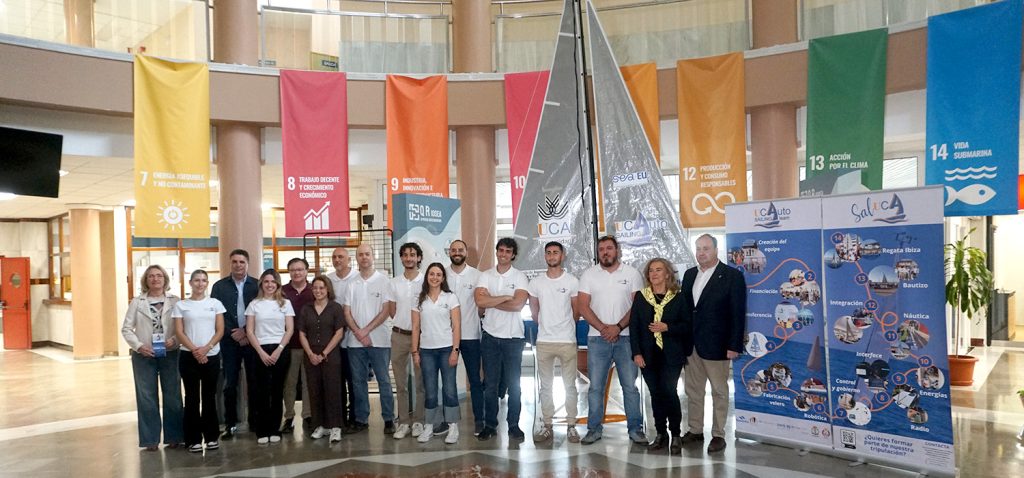
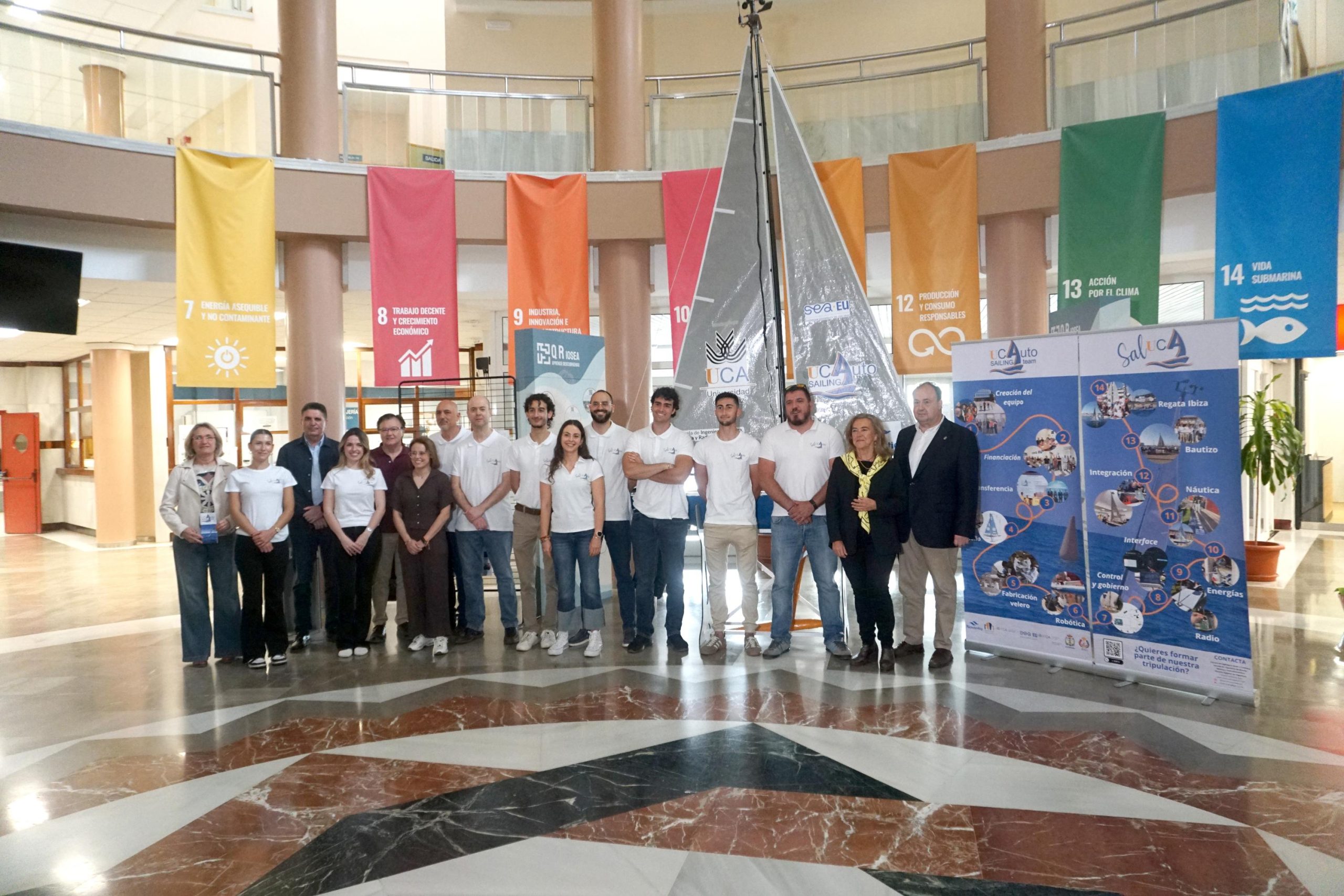
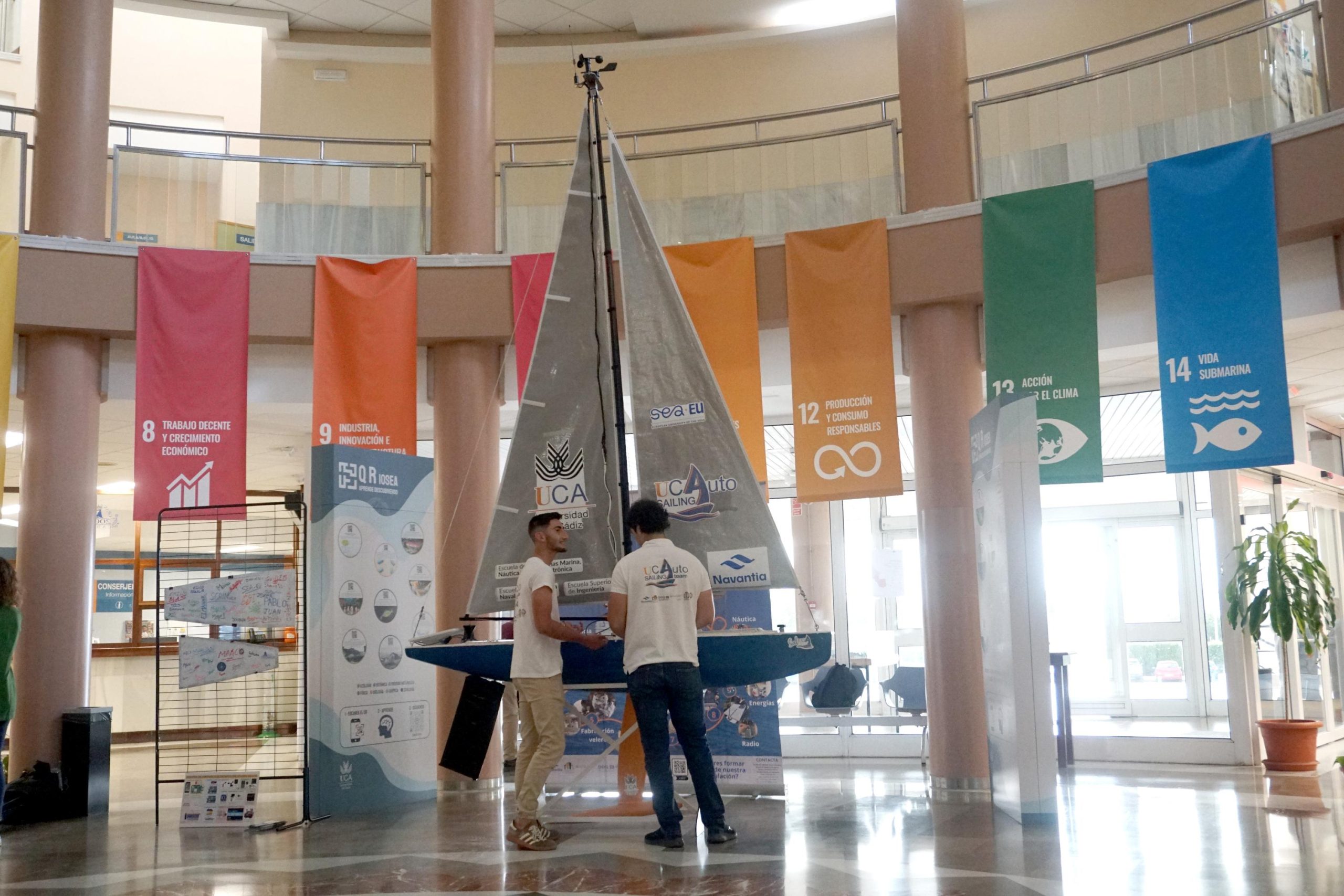
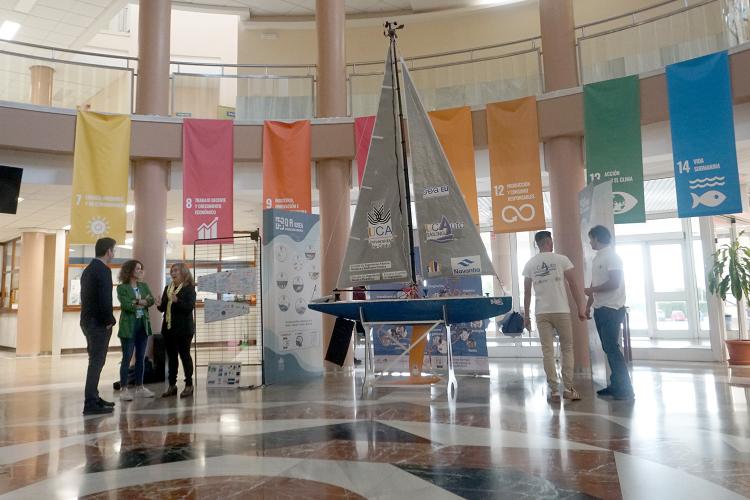
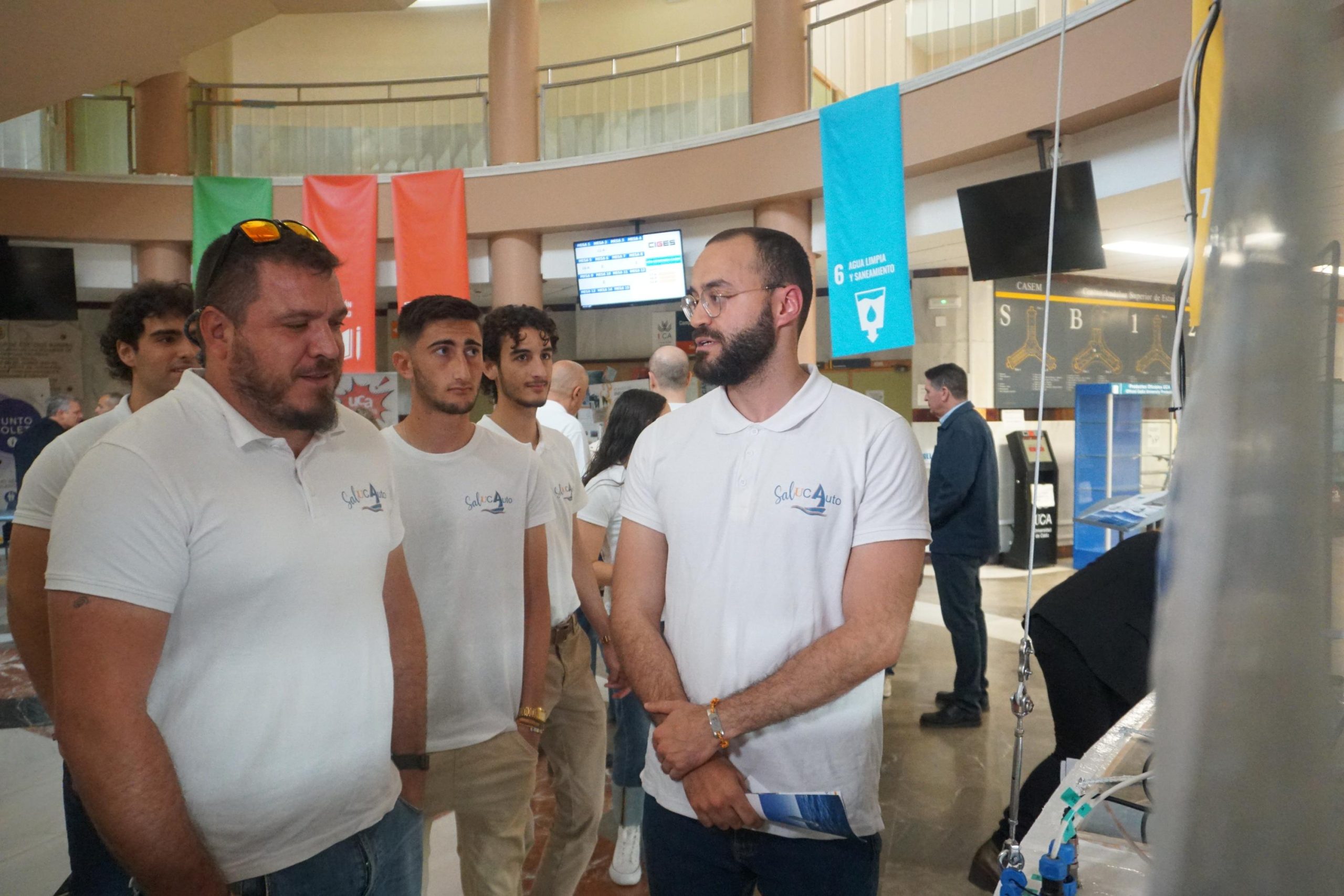
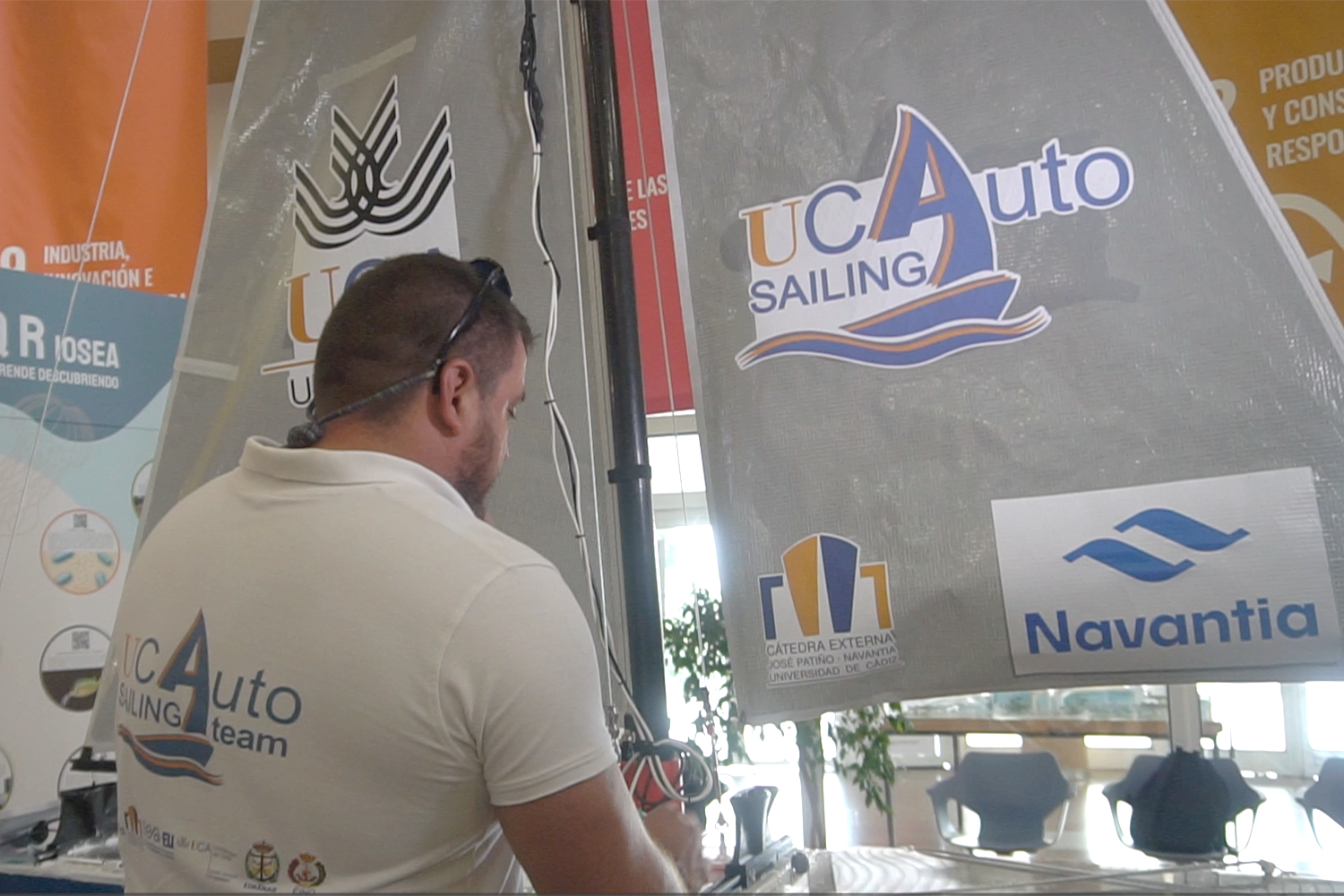
The Hall of the Andalusian Centre for Marine Science and Technology (CASEM), at the Puerto Real Campus, became this Tuesday the showcase for one of the most innovative projects recently developed at the University of Cádiz. The autonomous sailboat SalUCA, created by the UCAutoSailing team with the support of Navantia and the Navantia José Patiño Rosales Chair, was officially presented after achieving second place in the Micro Ruta de la Sal, an international regatta held in Ibiza.
The vessel, displayed at the centre of the venue, drew significant attention during an event chaired by the Rector of the UCA, Casimiro Mantell, and attended by institutional representatives and members of the three engineering schools based at the campus.
Beyond the sporting achievement, the project stands as a clear example of how the university can transfer knowledge from the classroom to real-world applications. The rector emphasised this idea during his speech, noting that the initiative originated from the promotion of student associations and the opportunity to compete in a regatta featuring fully autonomous boats.
“From the University, we strongly encourage these types of initiatives, and the opportunity arose to take part in a regatta with robotic vessels, in which the three schools located on this campus have been involved: the School of Naval and Ocean Engineering, the School of Nautical Studies and the School of Engineering,” he explained.
The challenge was significant: to design, build and programme a sailboat capable of navigating without human intervention. In other words, to complete a real route guided solely by sensors, algorithms and control systems, powered exclusively by wind energy and supported by renewable sources.
“The entire process has been addressed, from the construction of the vessel to its robotisation. The outcome has been very satisfactory, with a second-place finish in a demanding competition and a project developed almost against the clock,” Mantell added.
A competitive vessel in just three months
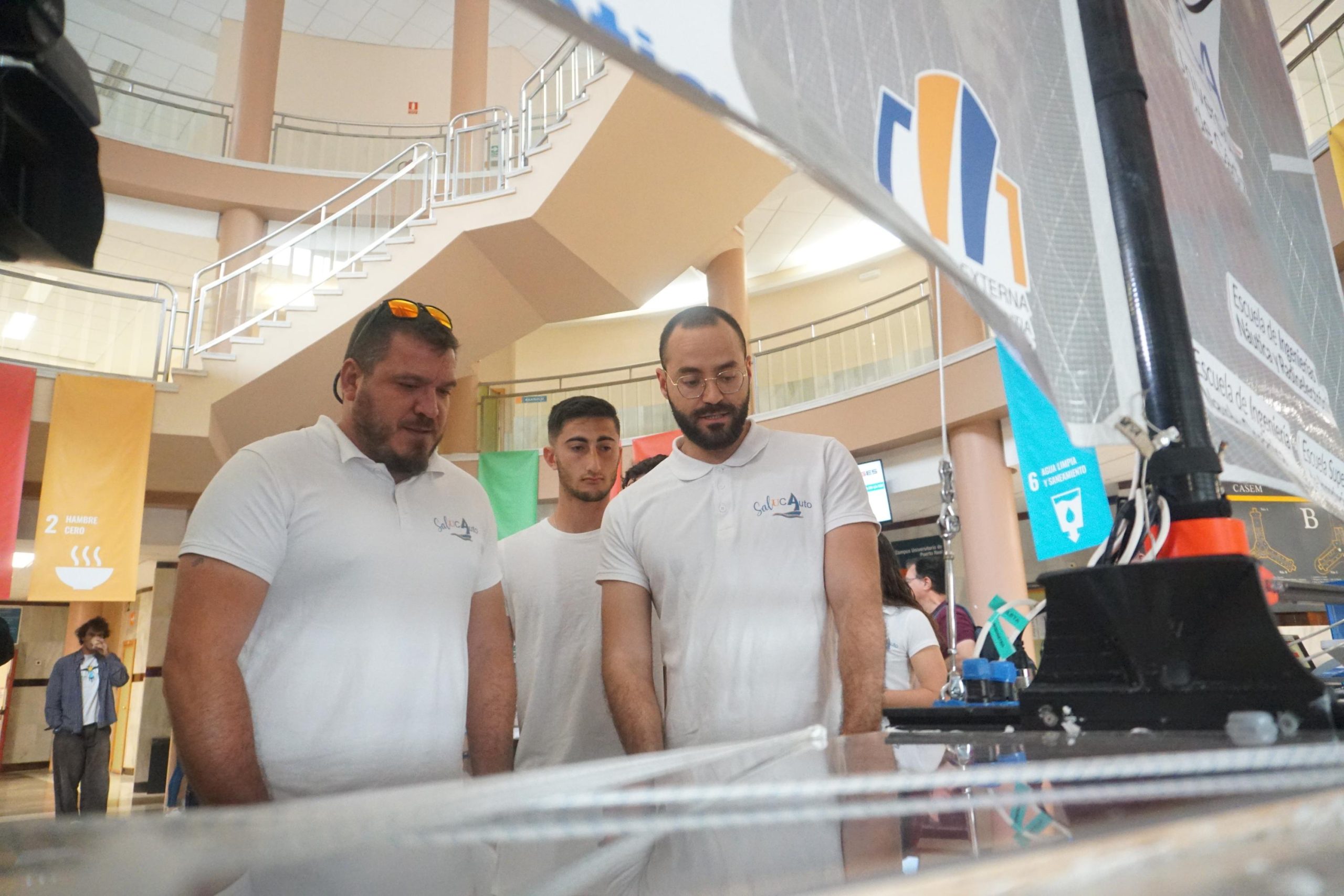
The team behind the project built a sailboat hull integrating multiple systems, enabling the vessel to calculate its route and reach its destination based on wind data collected by its sensors.
The prototype is the result of months of intensive work and critical decisions taken within a very limited timeframe. One of the team members, Sara Lorca, a student of Naval Architecture and Maritime Engineering at the UCA, highlighted the complexity of the process. “In January, we had to start from scratch because the initial design was not suitable for the regatta,” she explained.
From that point on, the team—supported by professors Arturo Morgado and Cristina Sierra, who led the project—faced a race against time to build a new sailboat in just two and a half months. They did so through a handcrafted process, working with fibreglass and adapting the design to integrate all required systems. “The electronic system was already quite advanced, but the main challenge was building a suitable hull to house everything,” she added.
That system constitutes the core of SalUCA. The autonomous sailboat incorporates sensors such as an anemometer, wind vane and GPS, along with an environmental detection system, allowing it to interpret wind conditions and determine the optimal route without human intervention. “It is capable of calculating its course independently, although it also includes a radio-control system in case manual intervention is required,” she noted.
Learning by doing: the key to the project
One of the most notable aspects highlighted during the presentation was the educational value of the initiative. Beyond competition, the project offers a real learning environment where students must address technical, logistical and organisational challenges that are difficult to replicate in the classroom.
The rector reiterated this point, stressing that the project allows students to apply their knowledge in a practical and interdisciplinary manner. “These types of experiences enable students to apply what they have learned in class in a real context. During the competition, the boat could not be touched: everything depended on prior design, construction and programming work.”
The UCAutoSailing team is made up of around 30 members, including both students and academic staff from diverse fields such as naval architecture, maritime engineering, computer science, robotics and even communication. “We do this out of vocation,” Lorca stated. “It has been a very enriching experience and we have greatly enjoyed the process.”
SalUCA is more than an academic prototype; it represents a clear example of university-driven innovation. It also highlights the potential of the University of Cádiz to develop its own technology in strategic areas such as decarbonisation and offshore wind energy, within the broader context of the blue economy.
The project has also benefited from the support of companies such as Navantia, which provided facilities for the construction and testing of the vessel—support that the University considers essential to achieving the final result.