
UCA researchers take centre stage in a conference on the search for the Temple of Hercules 15 April 2026
The event, held on 16 and 17 April, is part of the Herakleion Project and is complemented by an outreach exhibition open to the public until 30 April
The University of Cádiz is taking part on 16 and 17 April in the scientific conference ‘Herakleion Project. New methodologies for the study of the heritage of the Sanctuary of Hercules’, an initiative organised במסגרת the collaboration agreement signed with the City Council of San Fernando. This academic event complements the exhibition recently inaugurated at the El Patio de Real 63 venue, with both actions aimed at disseminating the latest advances in research on the historic sanctuary.
The Herakleion Project, promoted by the City Council of San Fernando, the University of Cádiz and the University of Córdoba, aims to locate the legendary Temple of Hercules, considered by classical sources to be one of the most important religious sites of the ancient world. The exact location of this sanctuary remains one of archaeology’s major unanswered questions, making this initiative a significant scientific challenge.
Beyond its research dimension, the project also has an important heritage, tourism and social component, contributing to the promotion of San Fernando’s historical legacy and its projection as a cultural destination.
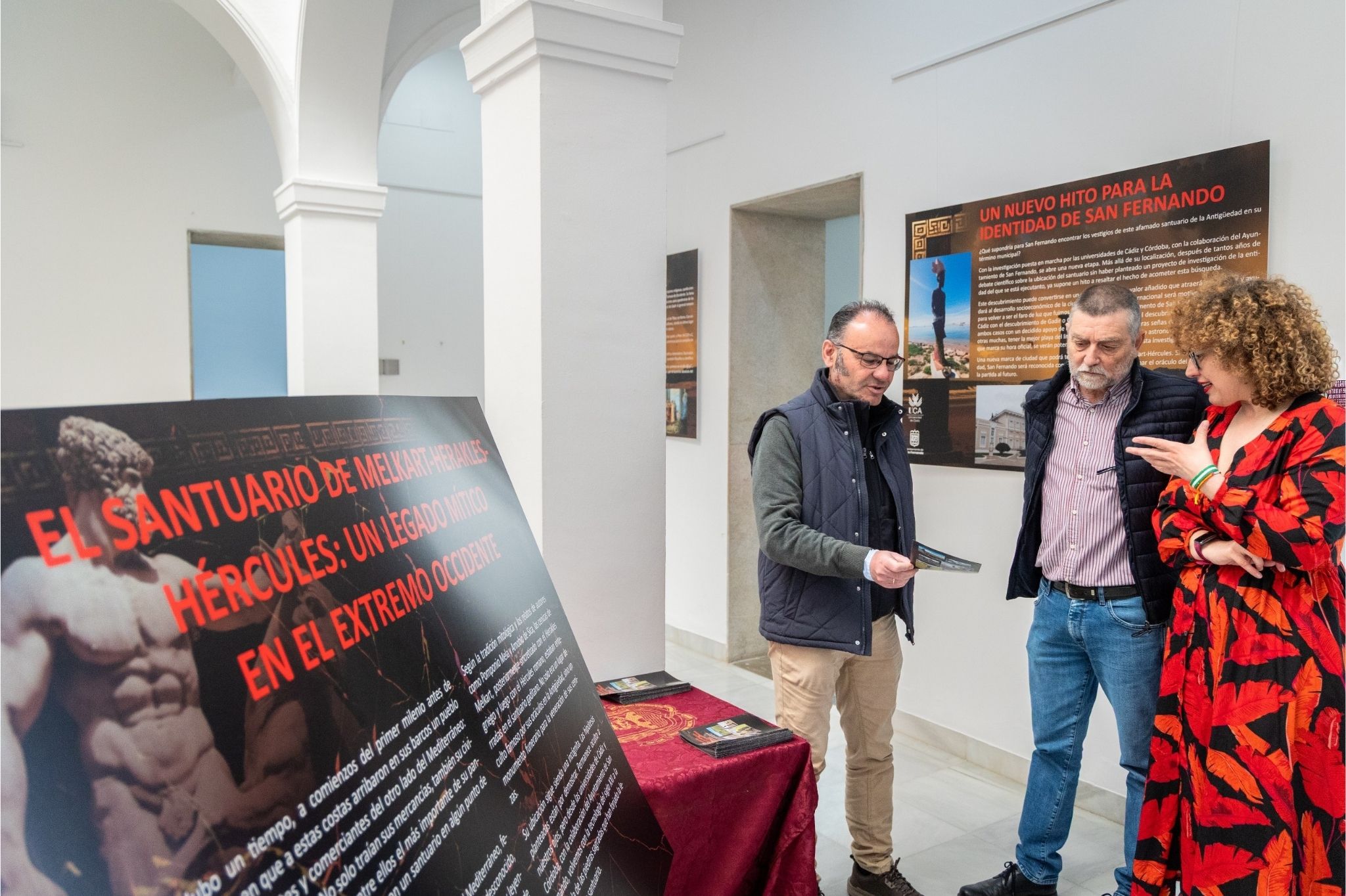
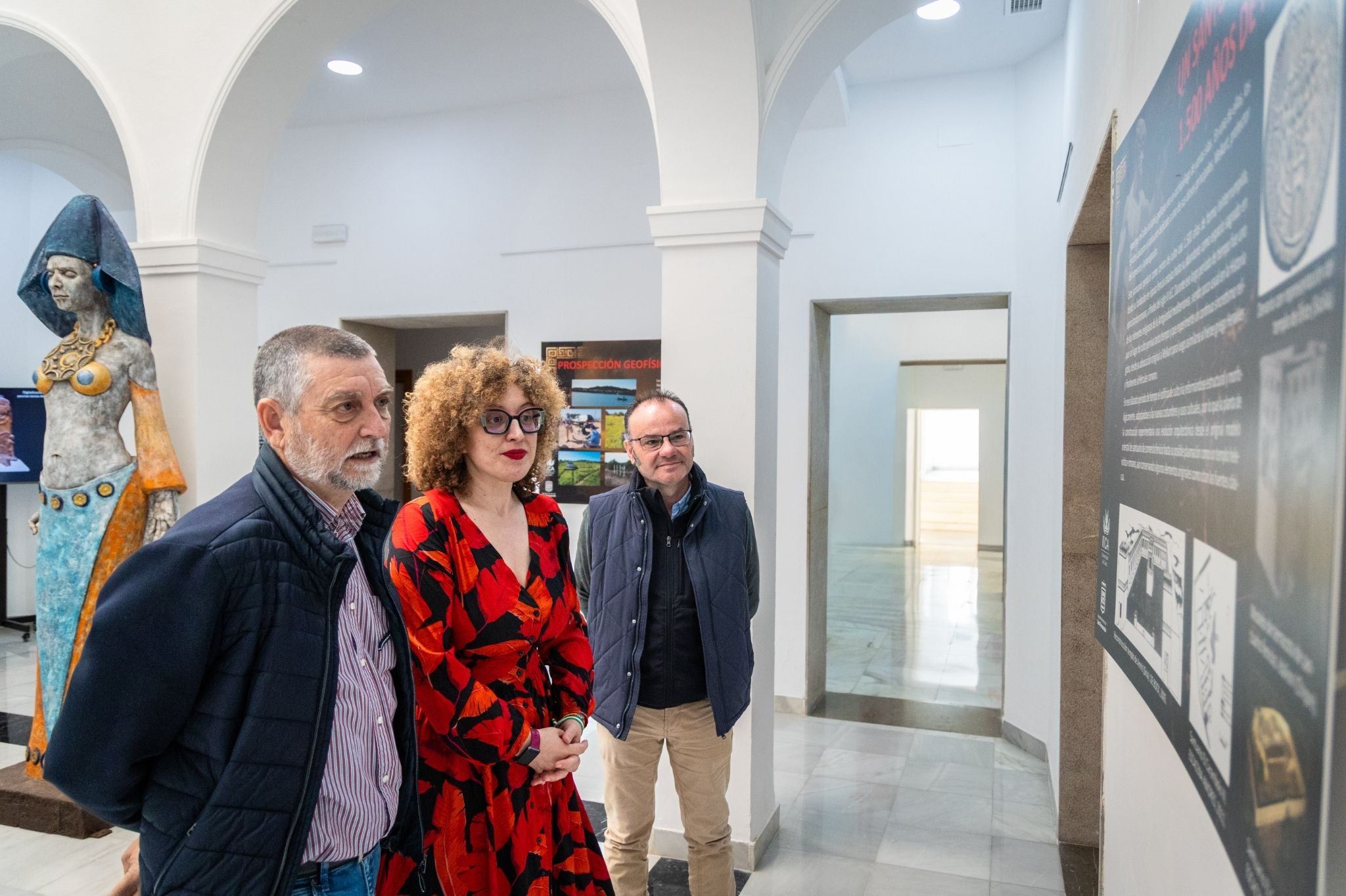
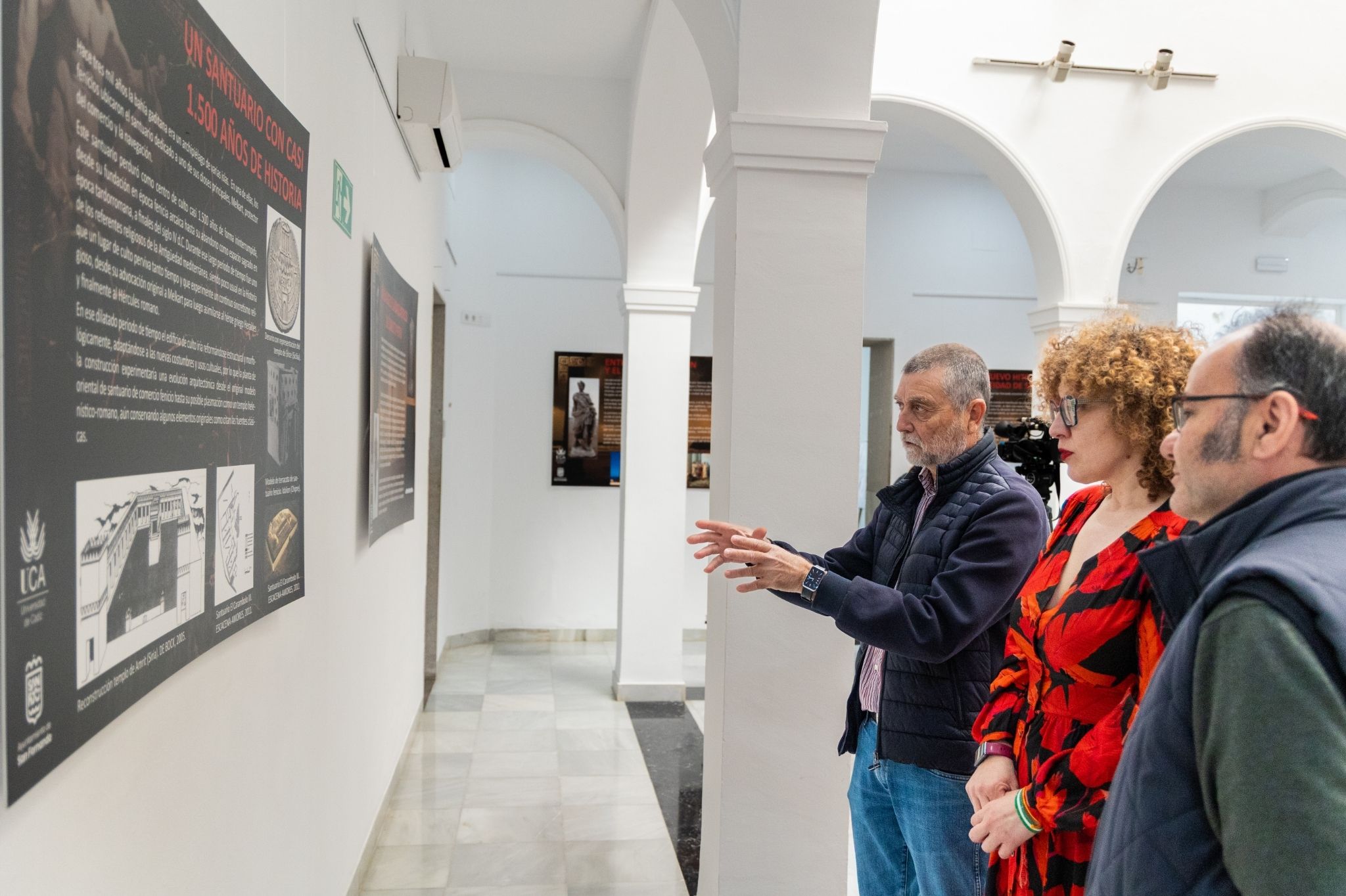
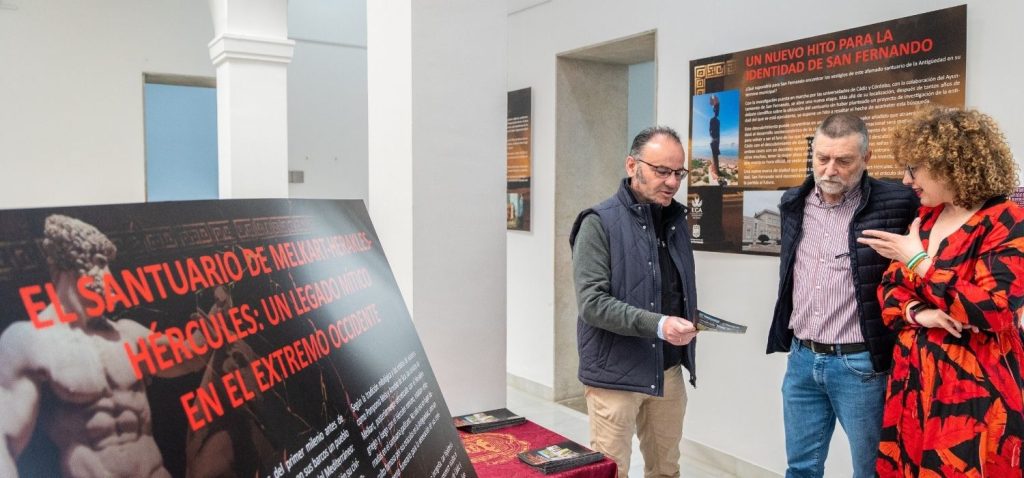
In this context, the ‘Herakleion Project’ exhibition offers the public an accessible overview of the current state of research. Through ten explanatory panels and a range of outreach materials, the exhibition presents the main hypotheses regarding the temple’s location, as well as the innovative techniques used in its search. The exhibition will remain open until 30 April 2026, from Monday to Friday, between 10:00–13:00 and 18:00–20:00.
The presentation event was attended by the Councillor for Culture of the City Council of San Fernando, Pepa Pacheco; Professor Lázaro Lagóstena, from the University of Cádiz and coordinator of the project; and Jorge Cepillo, researcher from the Geodetection Unit.
During her speech, the Councillor for Culture highlighted the significance that the discovery of the temple would have for San Fernando, underlining the impact already generated by the project’s initial progress. She also emphasised the importance of hosting high-level scientific conferences that will bring together specialists from various universities, including the University of Cádiz, the University of Córdoba and UNED.
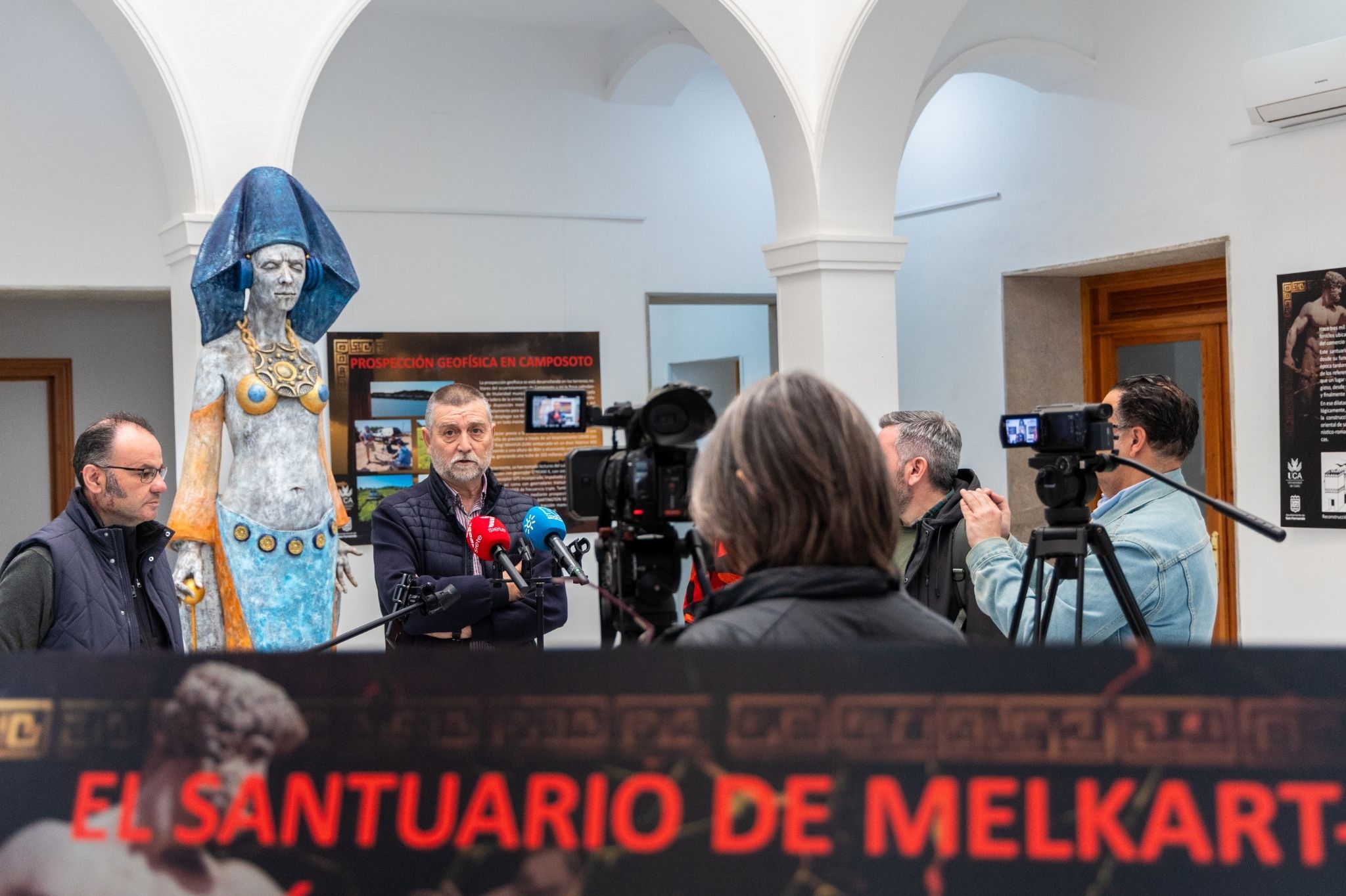
Professor Lagóstena, for his part, stressed the complexity of the scientific challenge faced by the research team, noting that “the precise location of this sanctuary is unknown and not easy to determine,” while reaffirming the commitment to address it “with the utmost academic rigour.” In this regard, he explained that the project relies on the analysis of Phoenician settlement patterns, helping to guide research towards environments that replicate models documented elsewhere in the Mediterranean.
Jorge Cepillo highlighted the outreach nature of the exhibition, designed to bring scientific advances closer to the general public through accessible language. He also emphasised the use of state-of-the-art non-invasive geophysical techniques, which allow the subsurface to be analysed without the need for excavation.
Fieldwork for the project has focused on strategic locations such as Camposoto, the islet of Sancti Petri and Cerro de los Mártires, the latter being particularly relevant according to the most recent hypotheses. Initial results may become available over the summer, although the research will continue given the scale of the challenge.
The scientific conference will be held at the Auditorium of the Cortes de la Real Isla de León Conference Centre, from 18:00 to 21:00. The sessions will address the foundations of the project, its methodology and its social impact, with presentations focused on the Sanctuary of Hercules, ancient communication routes, the exploration of key sites, heritage digitalisation and strategies for outreach and cultural marketing. The programme will conclude with a session devoted to conclusions and future perspectives.
In addition, the project includes an educational component, with outreach talks held in schools in San Fernando since last November, aimed at bringing research closer to the educational community and promoting knowledge of local historical heritage.
The search for the Temple of Hercules is thus consolidating itself as one of the main current archaeological challenges, with the potential to position San Fernando on the international stage of historical research and to strengthen its cultural identity.