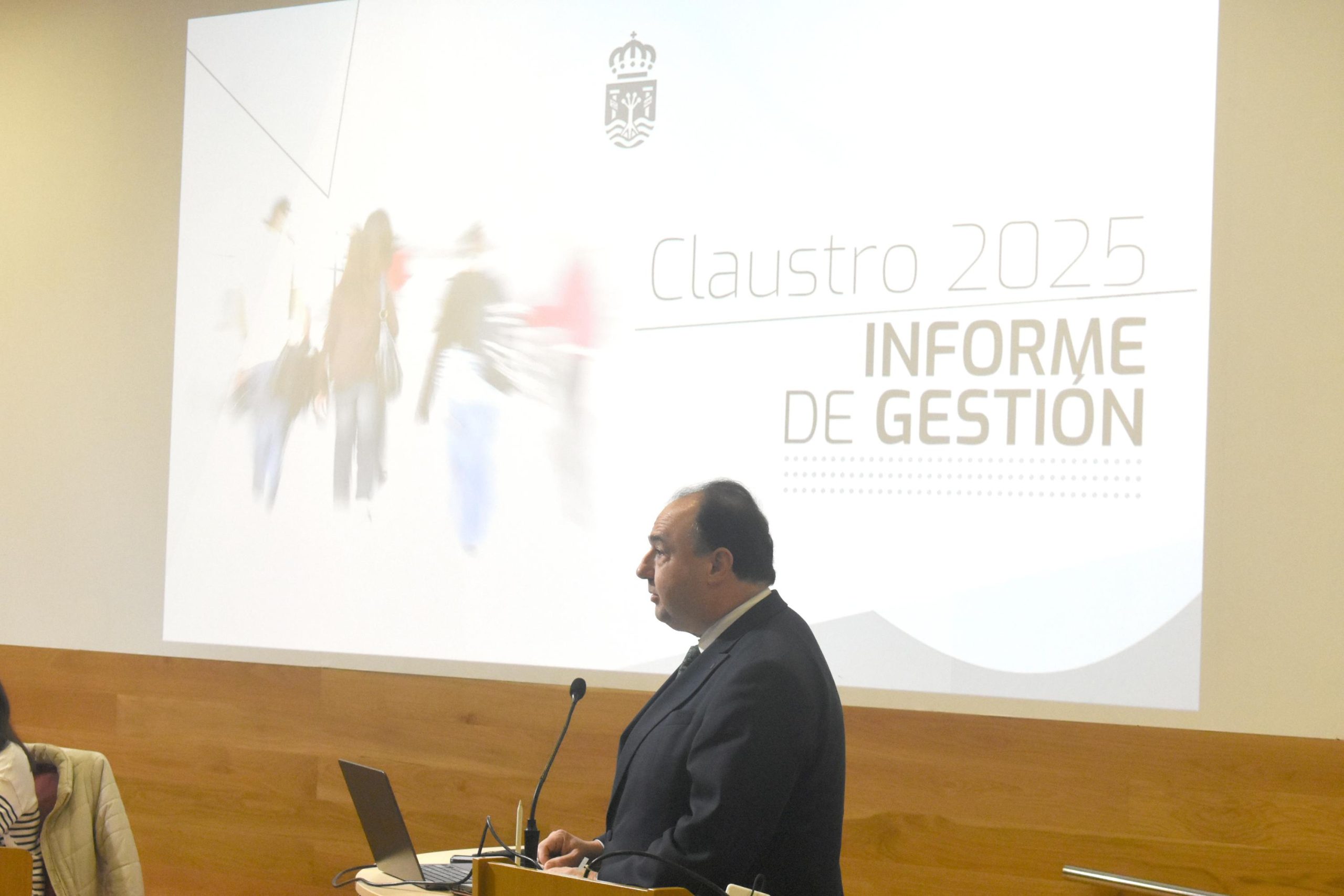

The University Senate approves the Rector’s 2025 management report amid a context marked by budget underfunding 18 December 2025
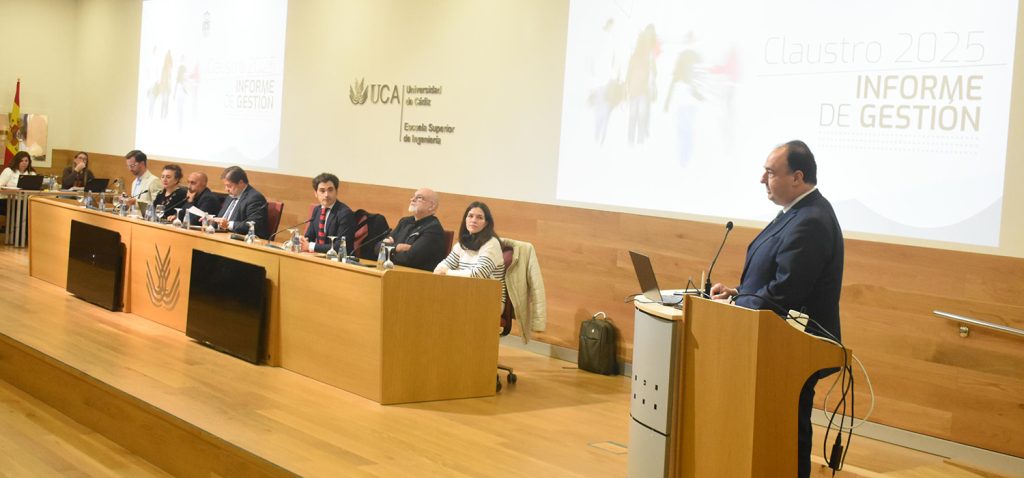
The report highlights social responsibility policies towards the community and the well-being of the university community, with measures for students, progress for PTGAS staff and the stabilisation of academic staff
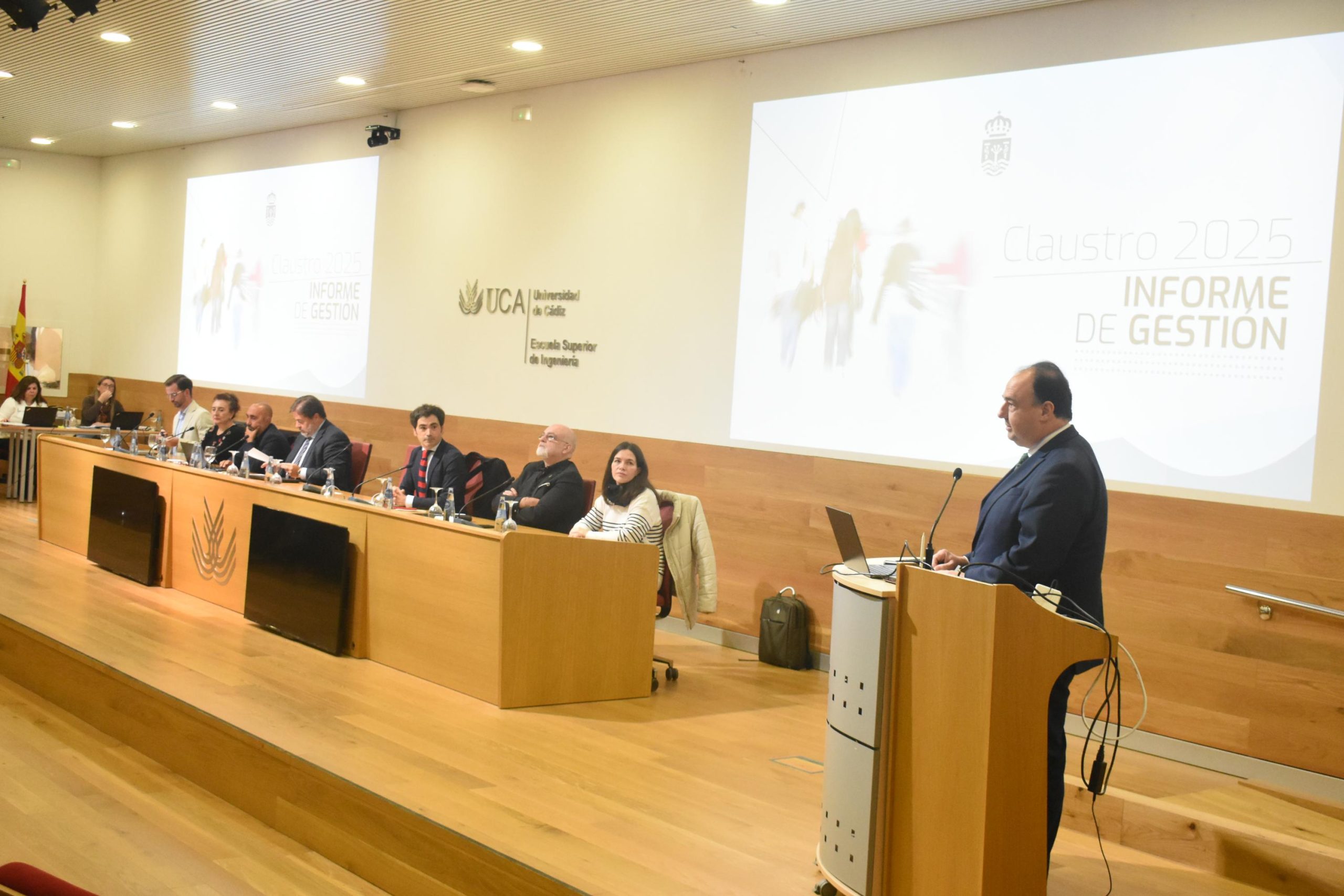
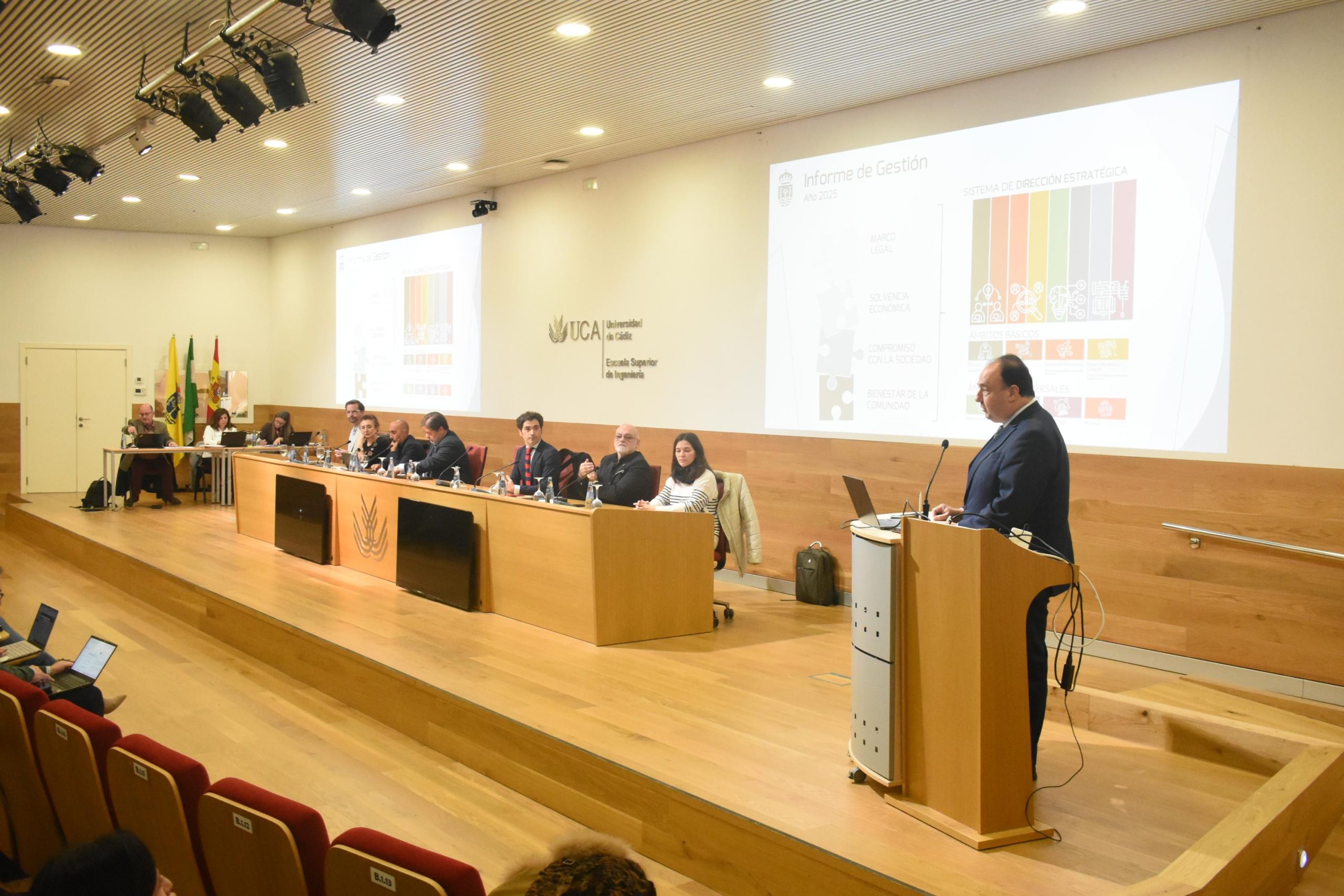
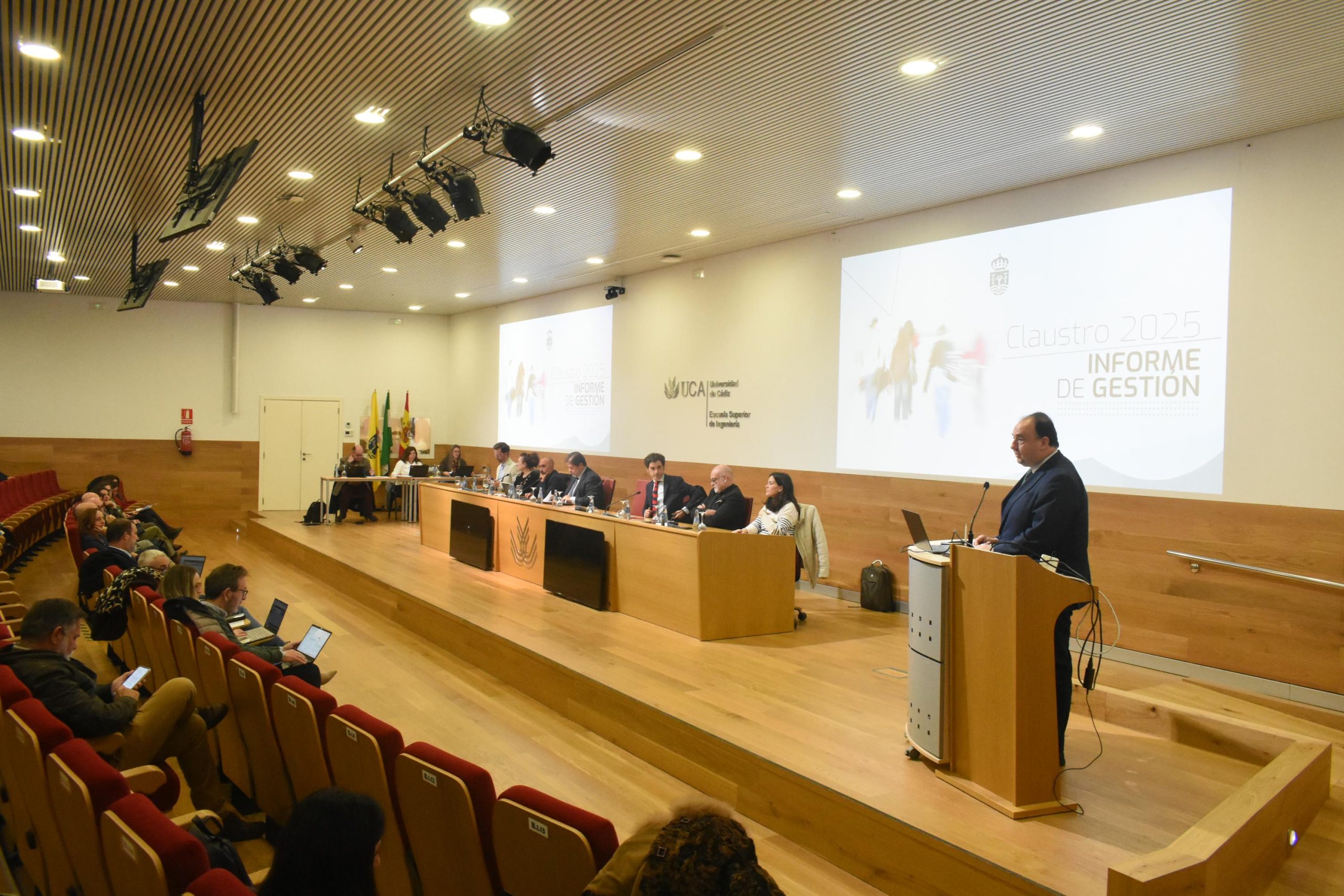
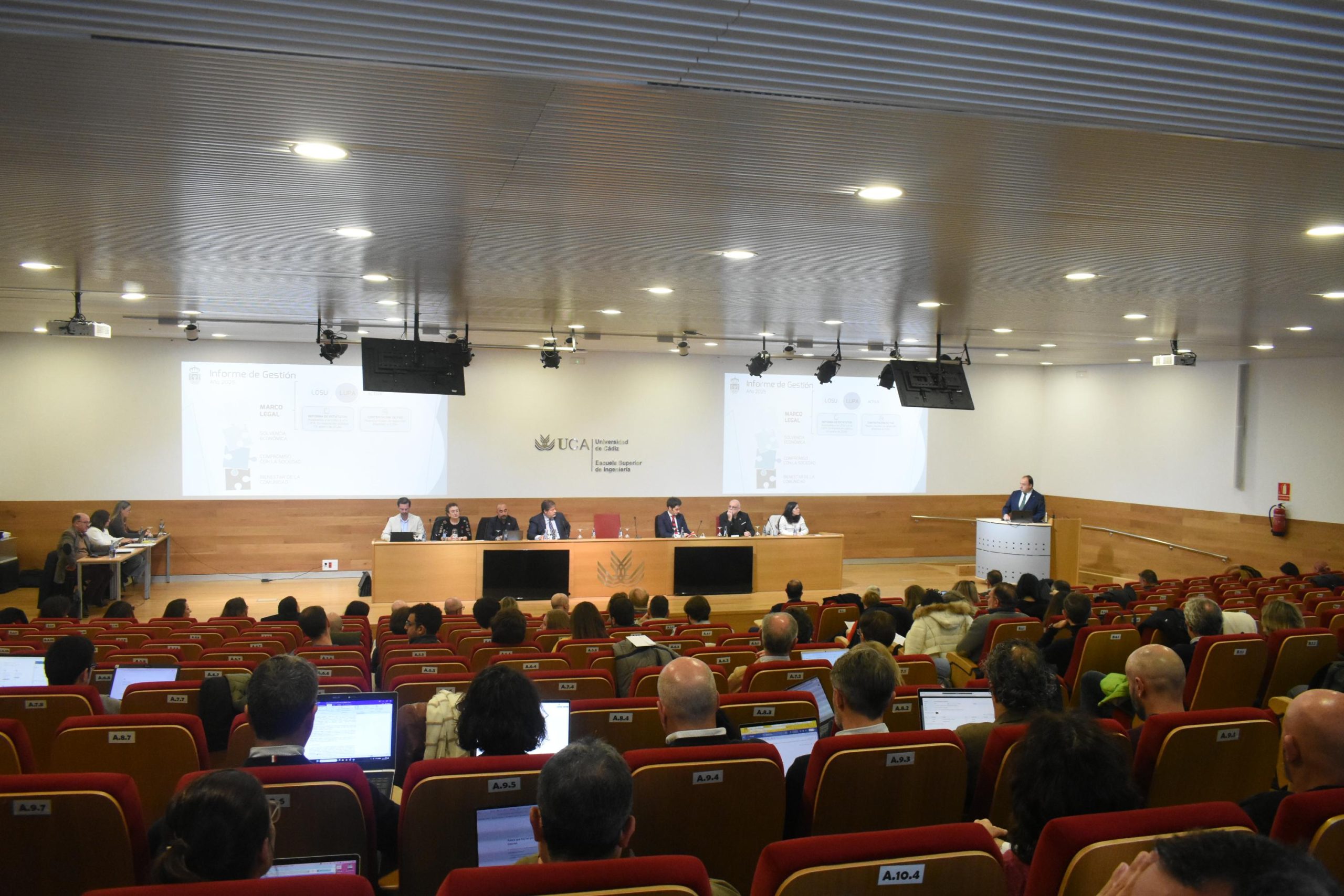
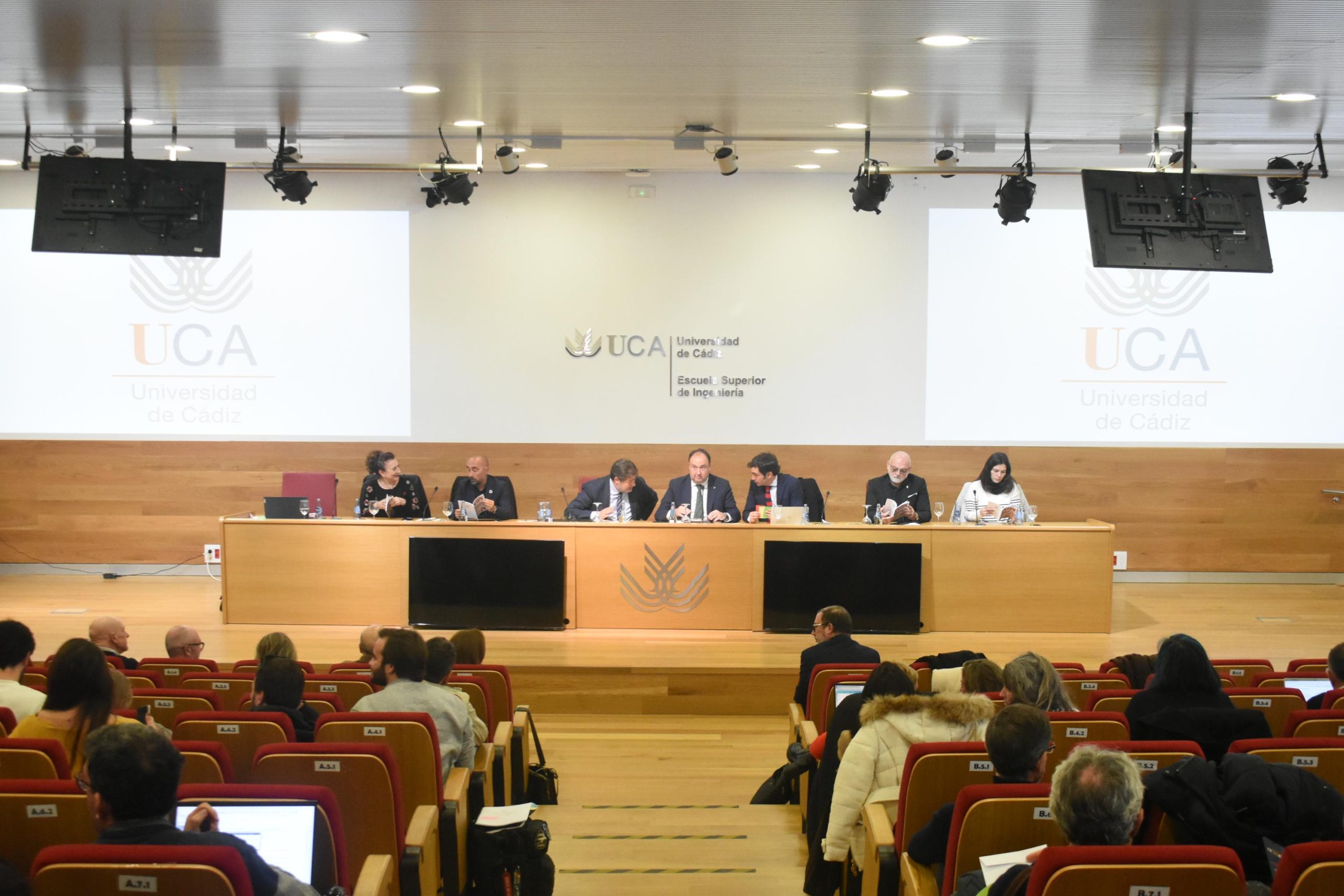
The University Senate of the University of Cádiz approved yesterday the Rector’s 2025 Management Report, presented by Rector Casimiro Mantell, which received the backing of the majority of Senate members following its presentation and debate, with 104 votes in favour and two against.
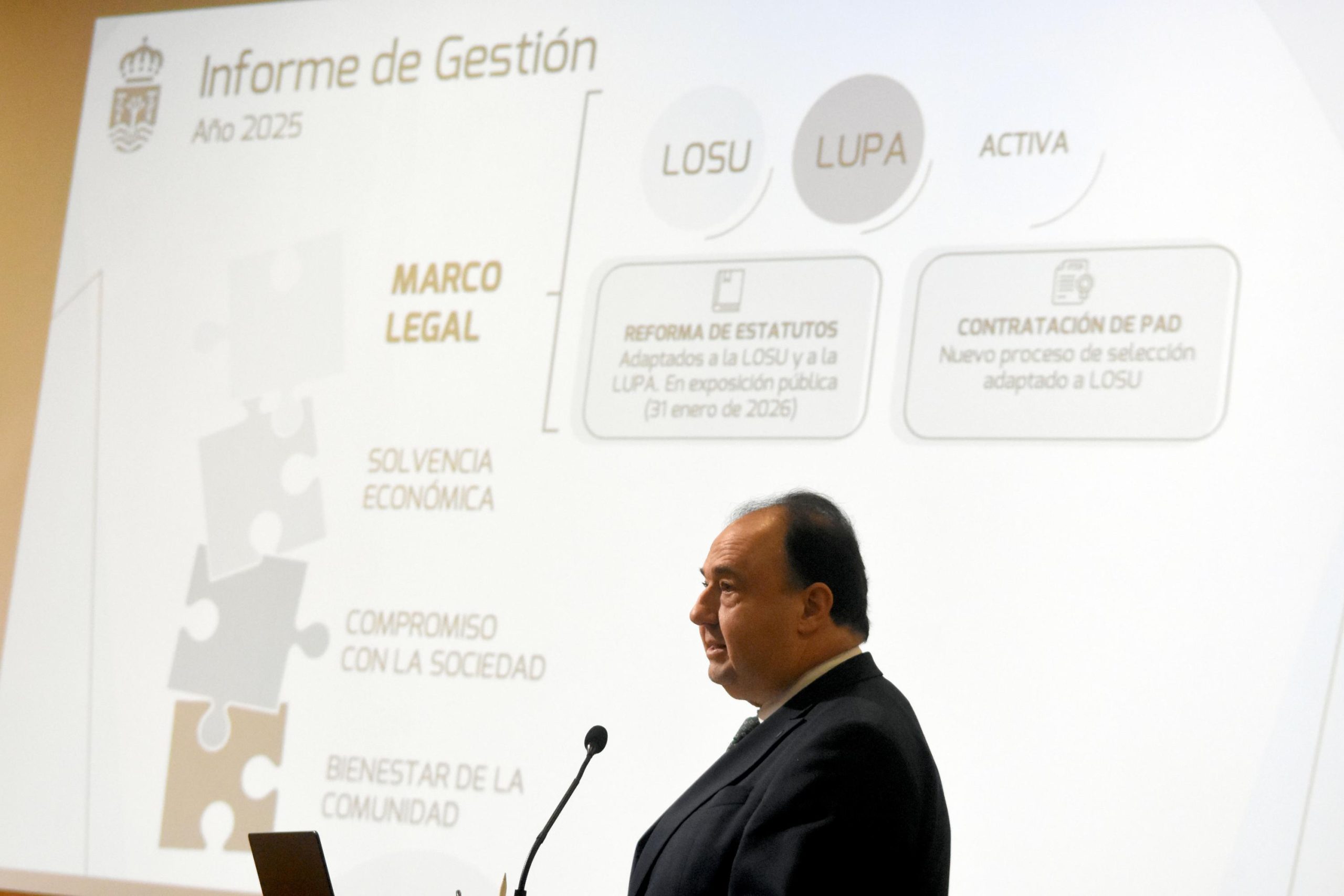
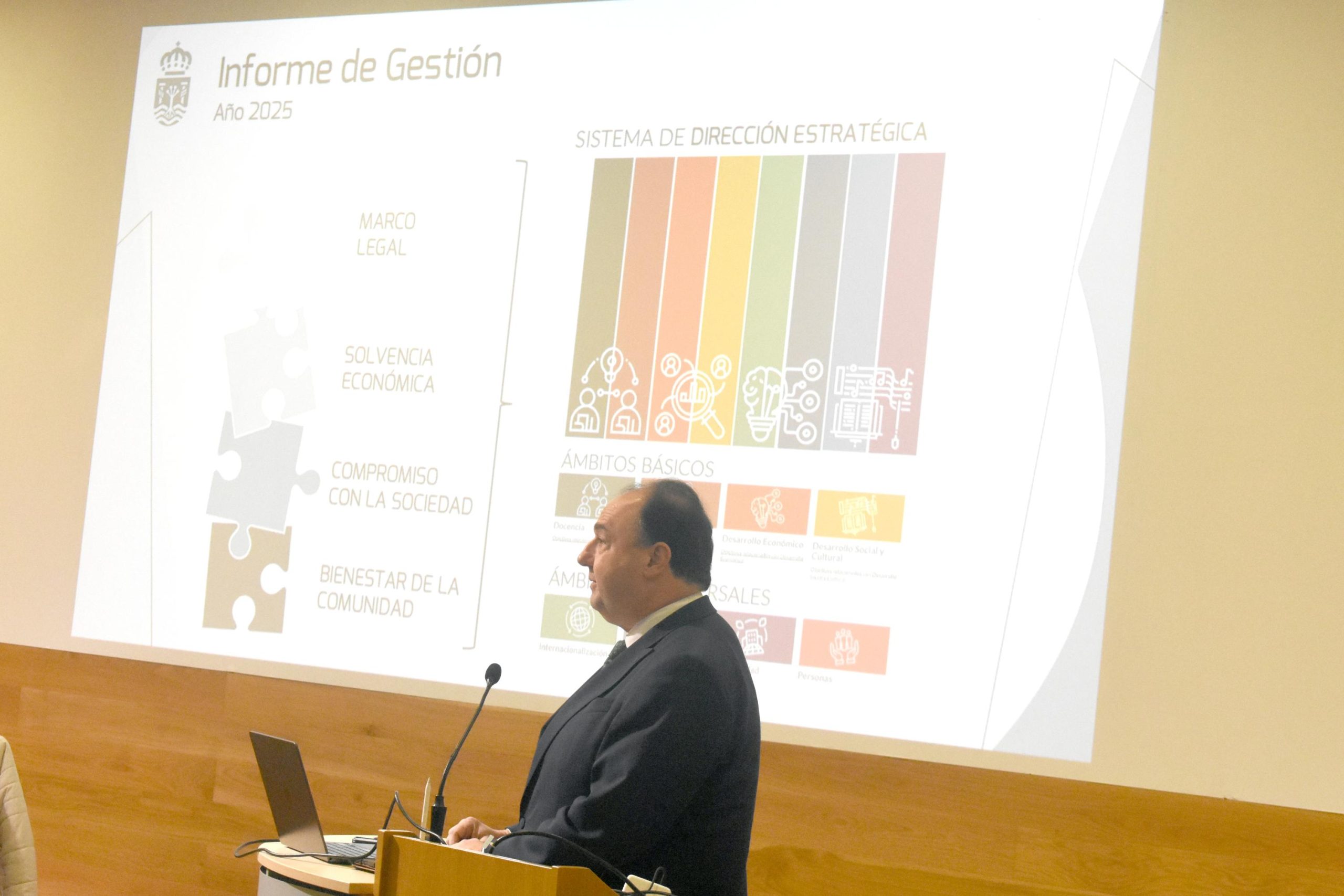
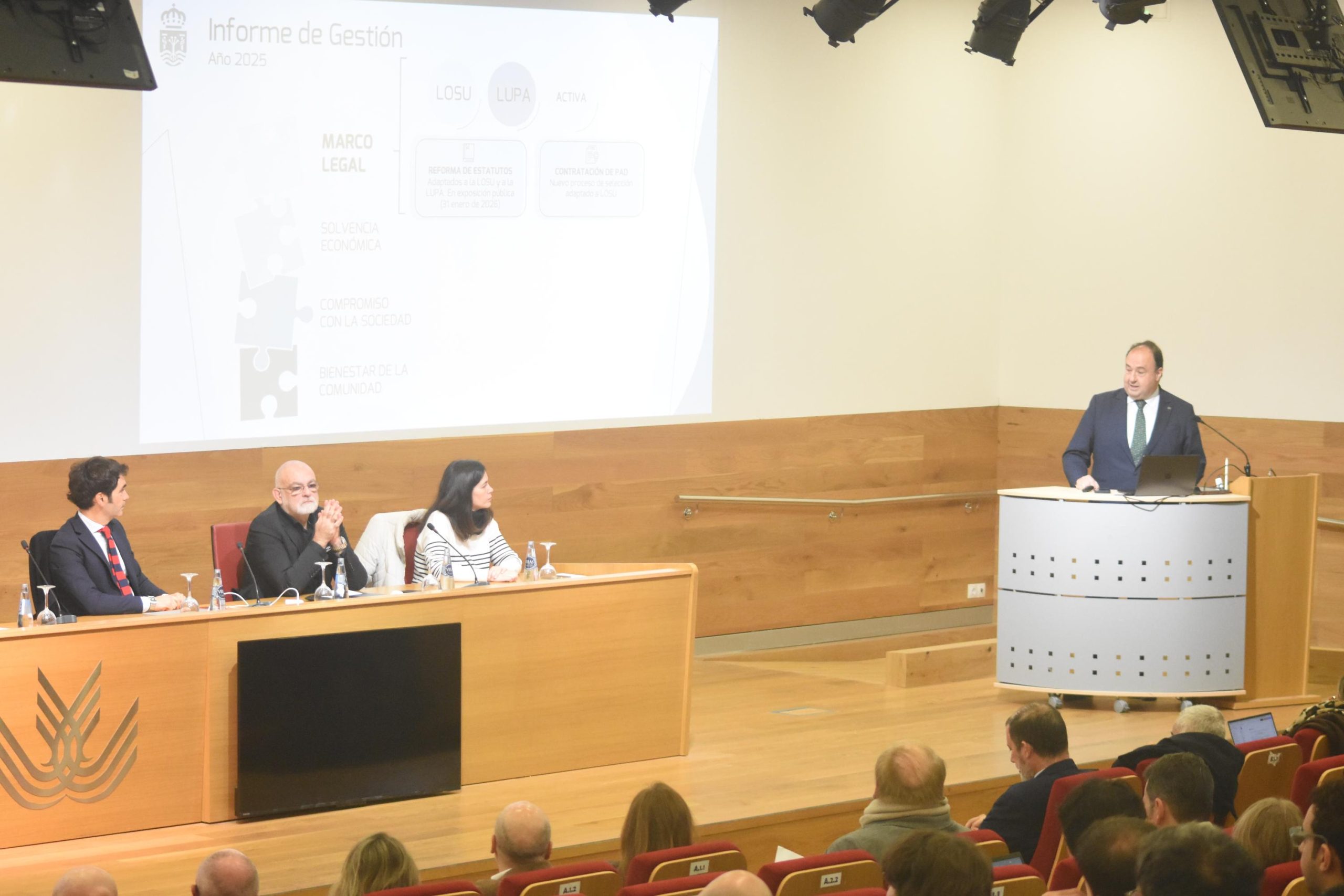
The document structures the annual review around four major pillars: legal framework, financial solvency, commitment to society and well-being of the university community. The Rector opened his address by recalling the University’s adaptation to the LOSU and the LUPA, which is driving the reform of the University Statutes—currently under public consultation until 31 January—together with a new selection process for the recruitment of Assistant Professors (Profesorado Ayudante Doctor, PAD).
Regarding financial solvency, the report addressed the lack of agreement with the Regional Government of Andalusia on university funding, which resulted in the vote against by eight rectors of Andalusian public universities and the abstention of two. The institution is also still awaiting authorisation to use retained surpluses included in the Investment and Infrastructure Plan, amounting to €6.04 million. This situation is compounded by contingencies related to the Delphi case, specifically a claim by the SEPE for the reimbursement of employer contributions for former workers, amounting to €6 million.
Mantell stressed that the work of the governing team is framed within social responsibility and commitment to society, areas to which he devoted a significant part of his presentation. In relation to social responsibility, he highlighted, from a teaching perspective, the activity carried out this year in micro-credentials, a new development that has led to the implementation of 13 programmes already completed, with 217 students, as well as 18 micro-credentials with open enrolment and 21 with enrolment open in collaboration with companies or institutions. He also underlined the proposal to create a Centre for Interdisciplinary Lifelong Learning (CIFOC), aimed at expanding continuing education to audiences of different ages and educational levels, enabling training to be adapted to labour market needs. Within this same pillar, he thanked those involved for the implementation of eight new degree programmes and for the contribution to the accreditation of INIBICA, a milestone that strengthens Cádiz’s profile in nationally recognised health research.
Within the framework of the well-being of the university community, the Rector highlighted measures such as the Comprehensive Plan for University Life for Students and Graduates (PIVU-E) and, for PTGAS staff, the progressive implementation of remote working and advances in the horizontal career system. With regard to academic staff (PDI), he emphasised staff stabilisation and workforce planning, with a total of 141 positions: 62 Senior Lecturer (TU) posts, 27 Full Professor (CU) posts and the call for 52 positions under the María Goyri programme. These actions are complemented by the University Equality Plan (PIUCA), summer camps to support work–life balance and the funding of language courses to facilitate language accreditation.
The Rector also referred to the rollout of the WiFi 7 wireless network, aimed at improving campus connectivity, and the strengthening of digital skills through specific training in Artificial Intelligence and usage guidelines for academic staff, PTGAS staff and students. In the field of communication, he mentioned the launch of the UCA Comunica newsletter and the new institutional merchandising store (www.tiendauca.es). He also highlighted the main events held throughout the year with institutional participation, as well as the awards and recognitions received by members of the university community.
The Rector concluded his address by reading the joint manifesto signed by the rectors of Andalusian public universities, calling on the Andalusian Government to fulfil its financial commitments to the Andalusian Public University System.
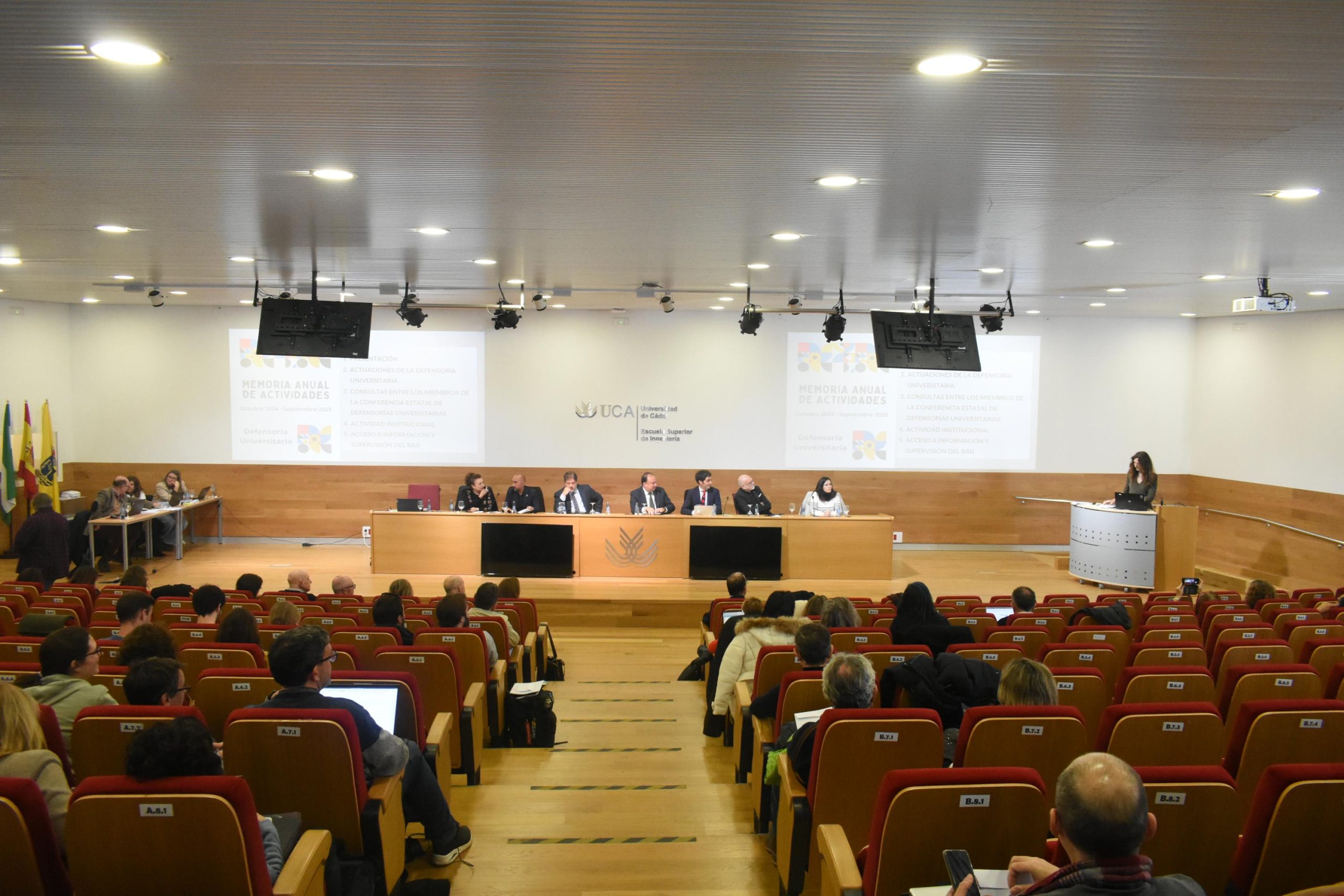
Subsequently, the Senate approved the Activity Report of the University Ombudsperson 2024/2025. Its head, Ana María Rodríguez, reported an increase in the number of cases handled, with 190 in total—36 more than the previous academic year and the highest figure recorded to date—which she attributed to the greater trust of the university community.
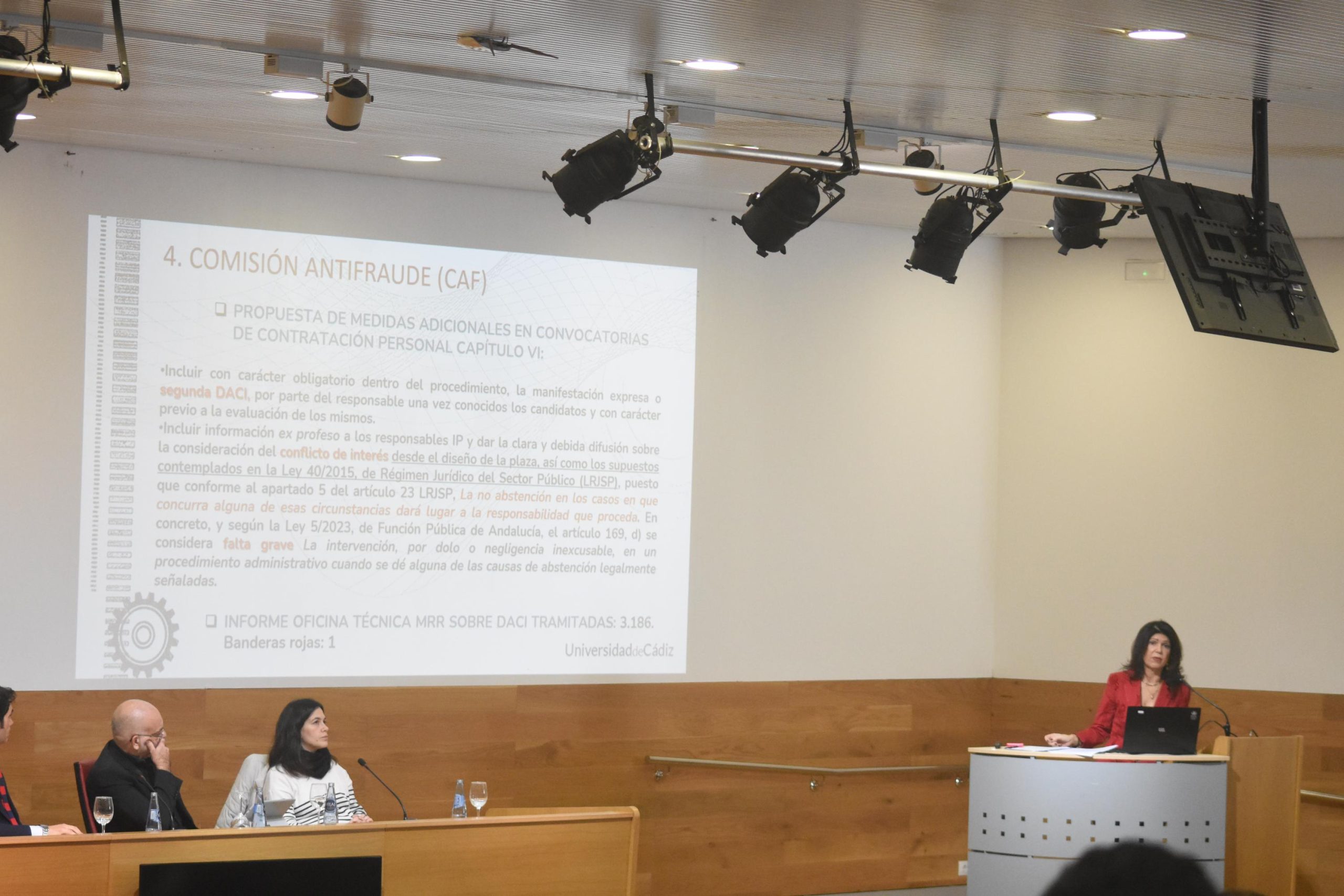
The Senate also approved the Activity Report of the General Inspection of Services 2024/25. The Chief Inspector, Esperanza Gutiérrez, noted that the University of Cádiz hosted the 15th Meeting of Inspections of Andalusian Universities and that, during the academic year, more than 1,290 checks were carried out, resulting in 158 incidents, of which only 20 remained unresolved after the appeals process. She also raised the need to update the ethical code in light of the impact of artificial intelligence and social media on university life.
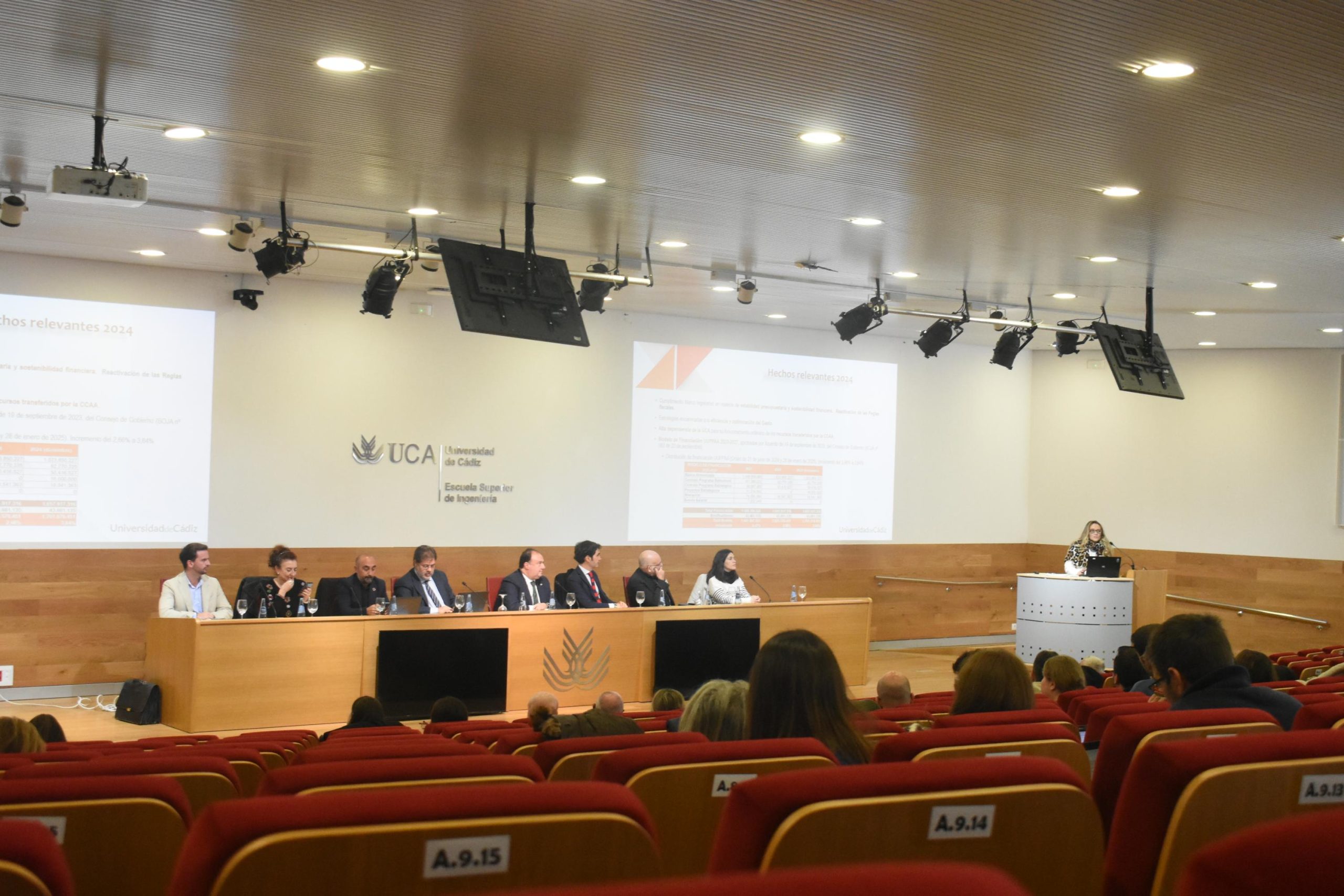
Finally, the UCA General Manager, Mariví Martínez, presented the external financial audit report of the 2024 Annual Accounts, underlining the high dependence of the University on regional funding and its adherence to the funding model approved by the Regional Government of Andalusia, in force until 2027. In 2024, total funding amounted to €170.1 million (+3.64%), while expenditure was marked by an increase in staff costs, particularly due to higher social security contributions, including the intergenerational mechanism, among other measures introduced in recent years. As regards budget execution, the initial budget stood at €197.6 million, which, after €55 million in modifications, rose to a final total of €252.6 million.