
The University of Cádiz takes part in an international project to study underwater cultural heritage in the Dominican Republic 17 April 2026
Professor Felipe Cerezo, from INMAR, is part of this UNESCO-led initiative to document and protect submerged historical remains linked to the first European expeditions to the Americas
Researchers from the University of Cádiz are taking part in an international scientific project being carried out at the historical and archaeological site of La Isabela, in the Dominican Republic. The initiative is promoted by UNESCO in collaboration with Dominican authorities and supported by the Spanish Agency for International Development Cooperation and the Spanish Ministry of Culture.
The aim of this project is to identify, record, inventory and assess the underwater cultural heritage of La Isabela and its bay, with particular attention to shipwrecks associated with the expeditions of Christopher Columbus. It also seeks to evaluate the risks affecting these remains, including those derived from climate change.
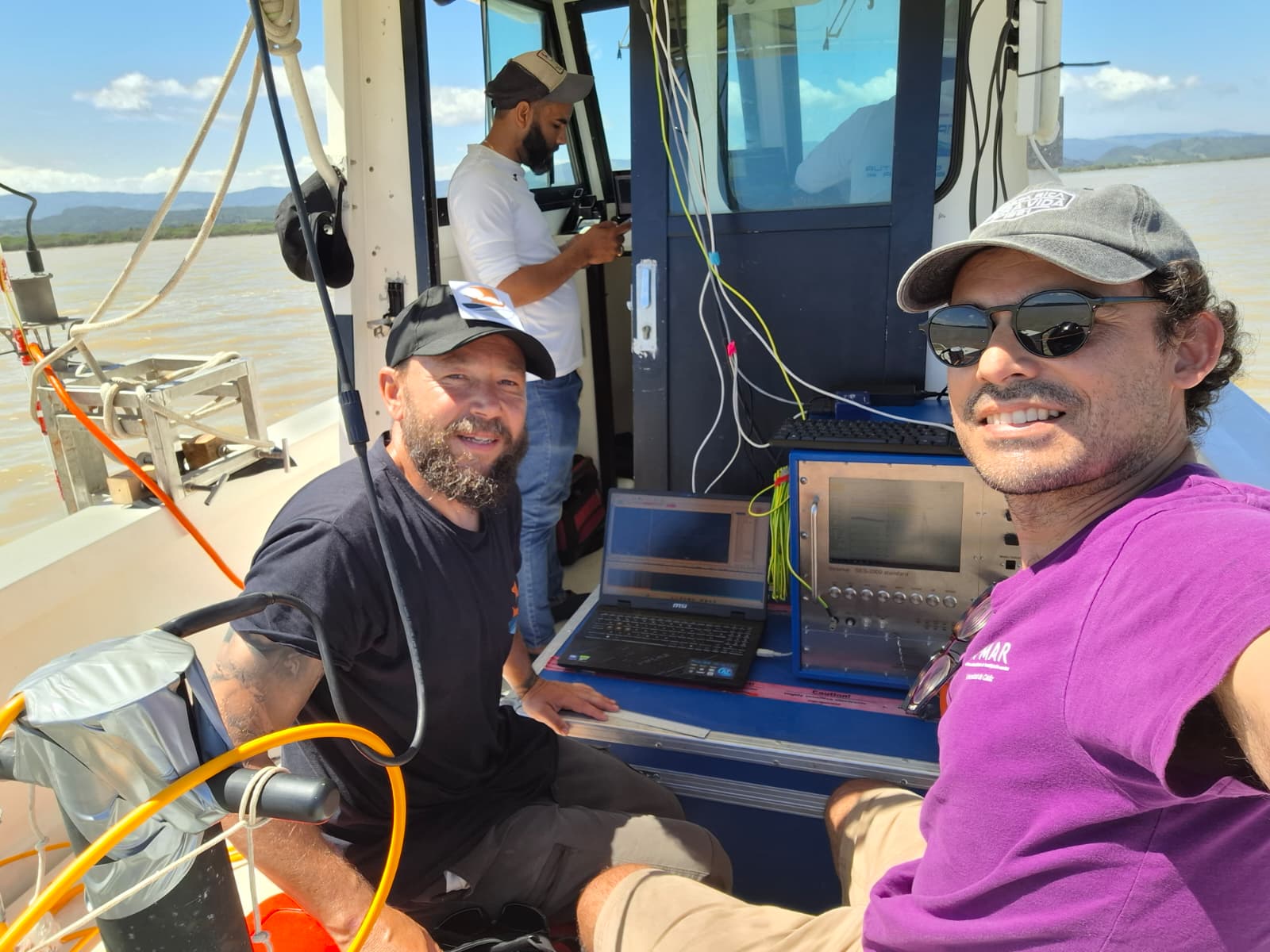
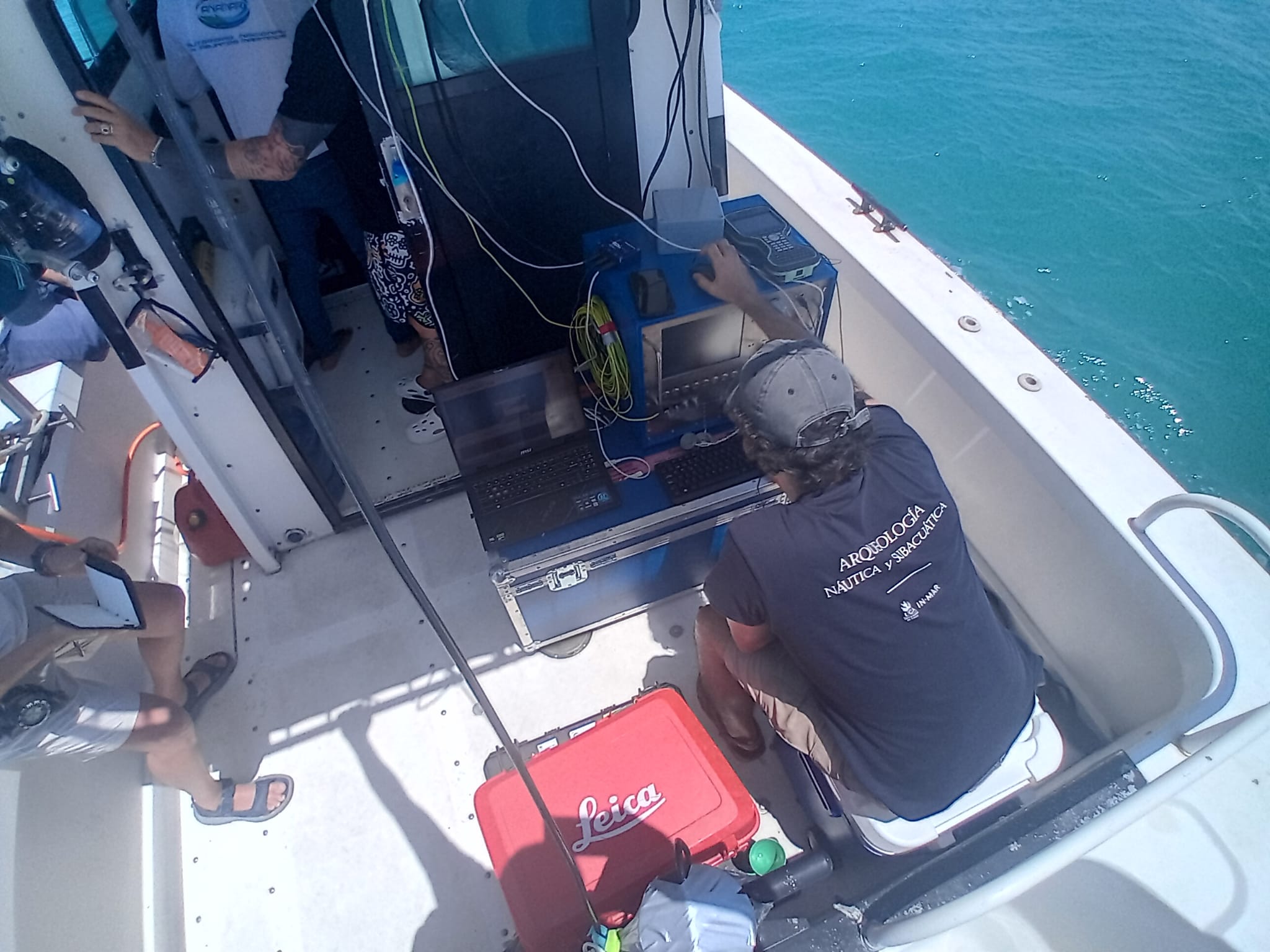
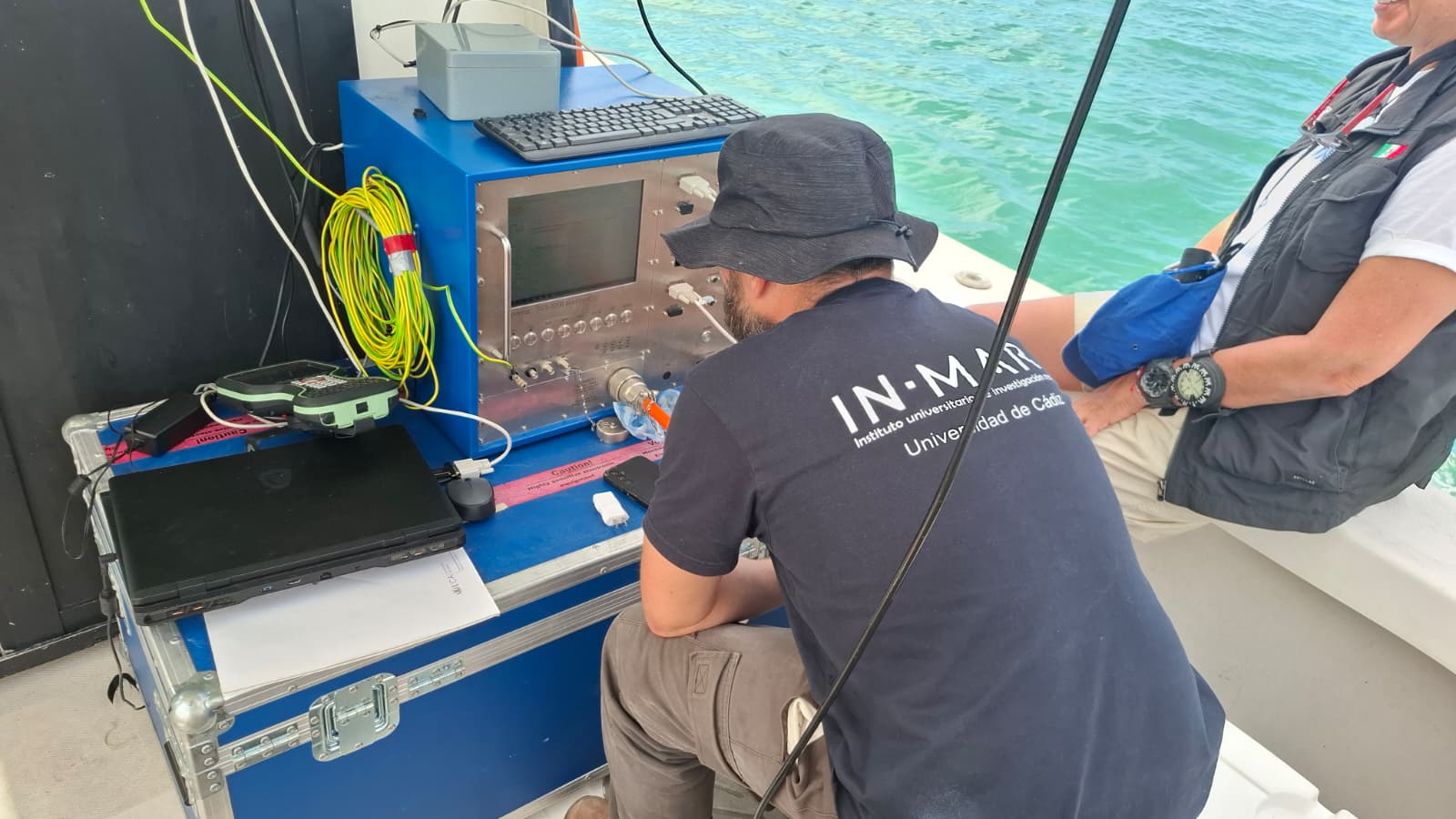
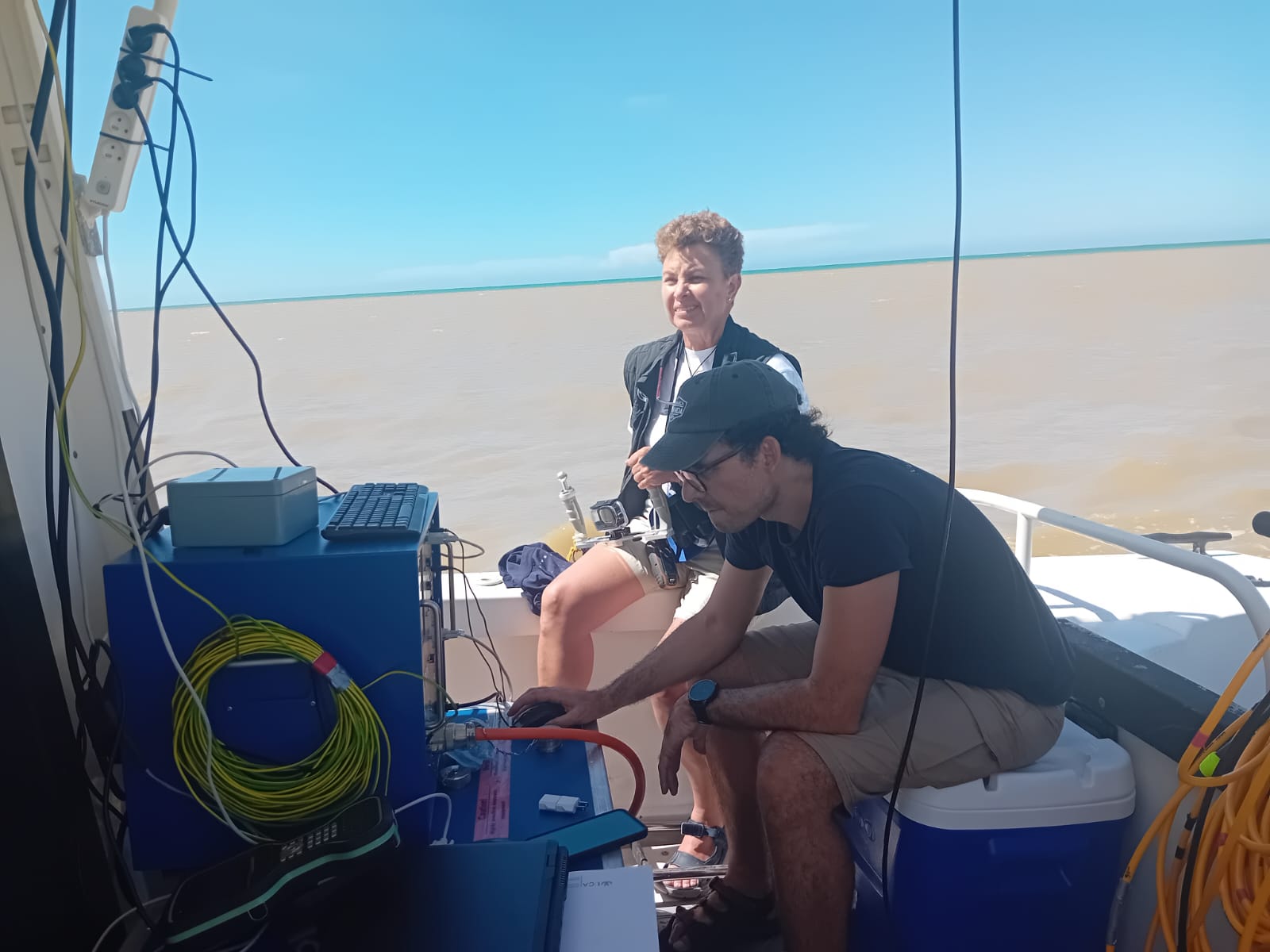
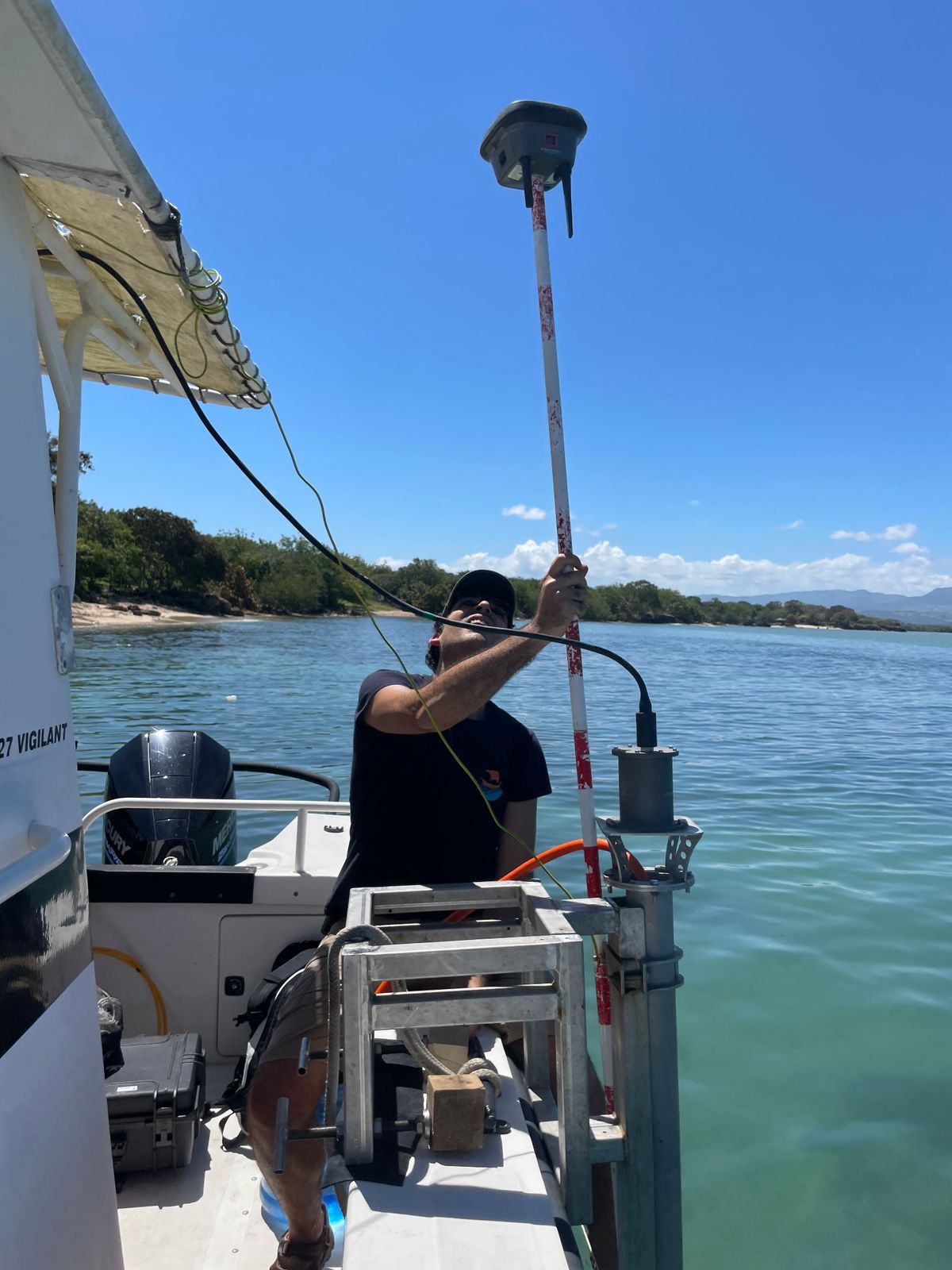
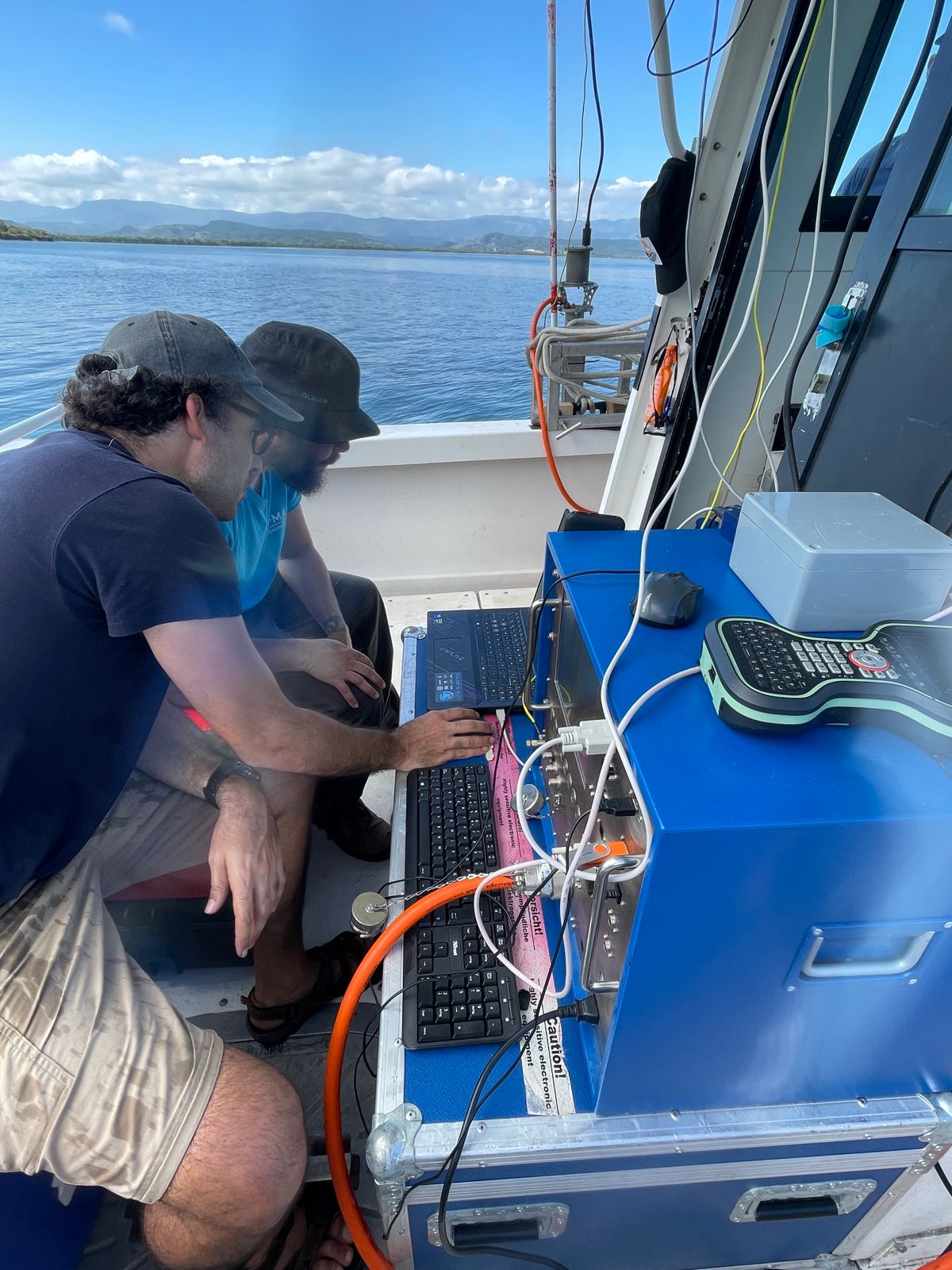
The University of Cádiz’s involvement is led by Professor Felipe Cerezo, a researcher at the University Institute for Marine Research (INMAR) and a member of the Archaeology area. His work has been key to the systematic geophysical survey carried out during the mission, aimed at locating potential archaeological remains beneath the seabed.
“These instruments allow us to see what lies on the seabed and beneath the sediment. We first detect anomalies and then verify them using direct methods. It is a rigorous way of investigating and planning the next steps,” explains Professor Cerezo.
The international team has combined the analysis of historical sources, local knowledge and advanced underwater exploration technologies with sediment sampling. This approach will make it possible to reconstruct the evolution of the coastal landscape and better understand the current location of archaeological remains, many of which are buried under layers of sediment.
La Isabela is a site of particular historical significance, as it was the first permanent European settlement in the Americas, founded by Christopher Columbus in 1493. Its maritime environment preserves evidence of the earliest European naval operations on the continent, making its bay an area of high scientific and heritage value.
This initiative builds on previous work carried out in the area, where several underwater archaeological contexts had already been identified. The latest campaign has enabled the detection of more than 40 underwater anomalies, although their nature and archaeological relevance will be assessed in the next phase of the study. Following data processing, the project is expected to move into a third stage focused on direct archaeological verification at specific points in the bay, in order to confirm whether the detected anomalies correspond to cultural remains linked to the historical period under study or to other episodes in the area’s maritime history.
The results will inform the planning of future research and conservation actions, in coordination with national authorities. In addition, the initiative adopts a comprehensive approach that combines scientific research with heritage protection and management, including the development of conservation recommendations, environmental risk assessments and strategies for public awareness and community engagement.
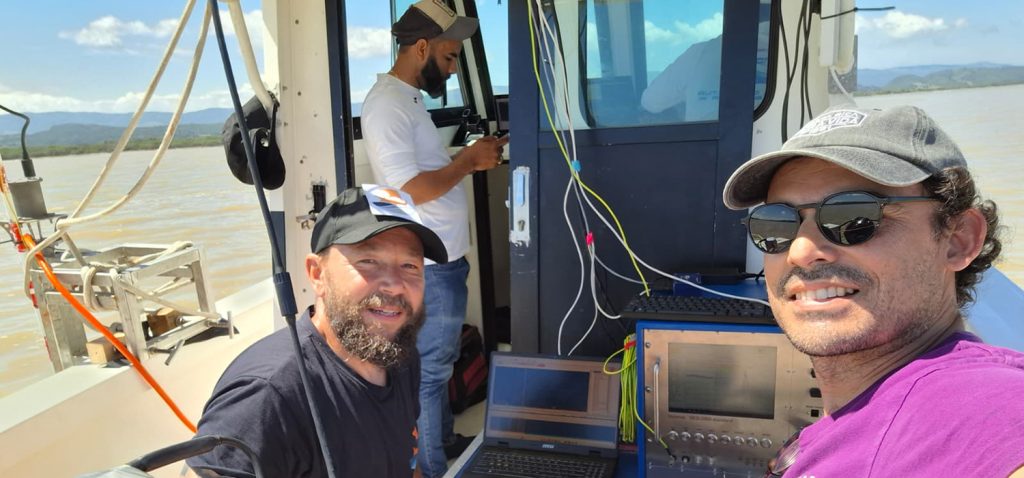
The international team involved in the project brings together specialists from institutions in five countries, including Mexico’s INAH, Argentina’s Secretariat of Culture, the University of Cádiz, the Underwater Archaeology Centre of Cádiz, Spain’s National Museum of Underwater Archaeology (ARQUA), and the University of California.