
“The University of Cádiz promotes a model that understands sport as a tool for holistic development, health, coexistence, equality and inclusion” 4 May 2026
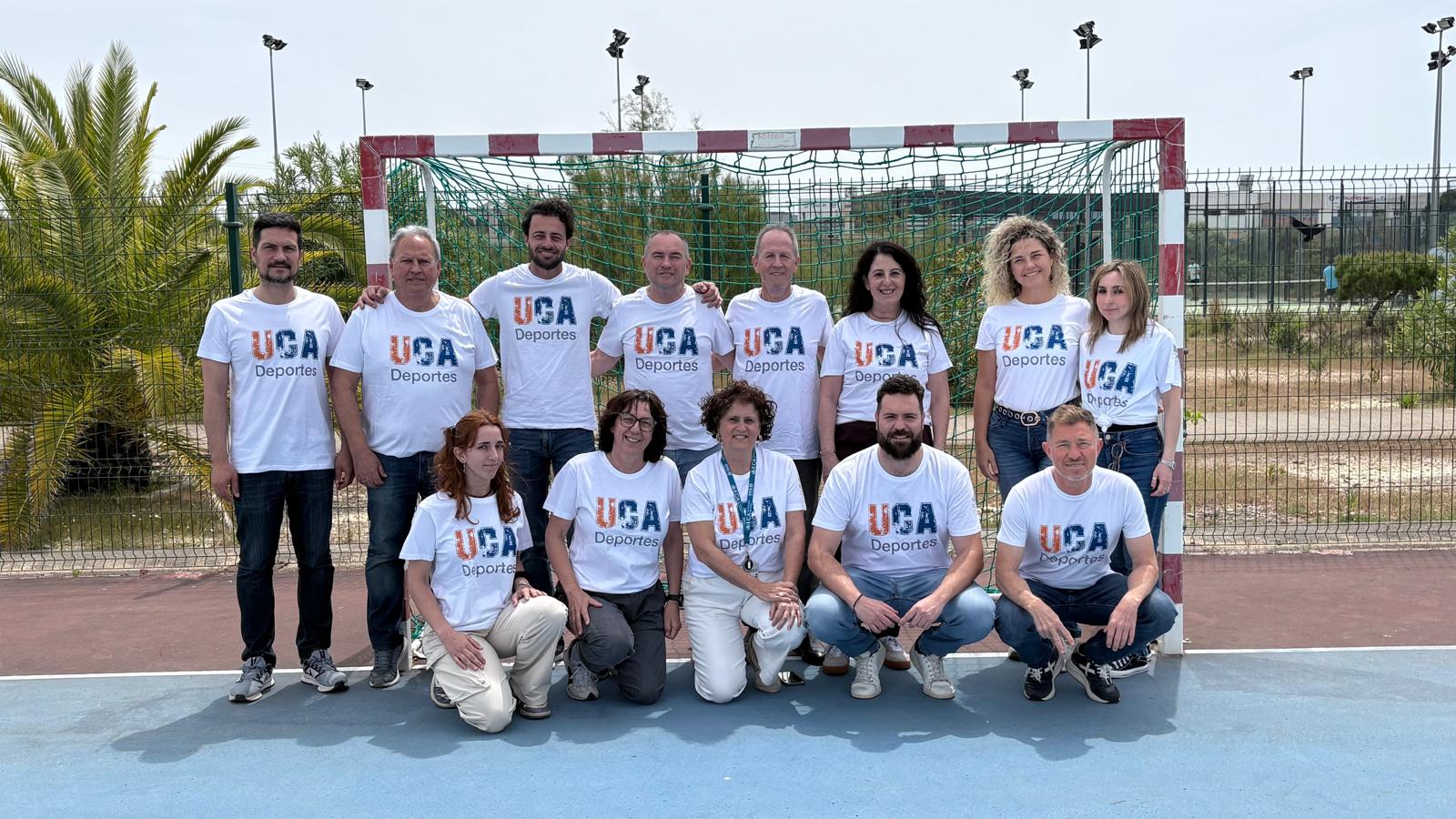
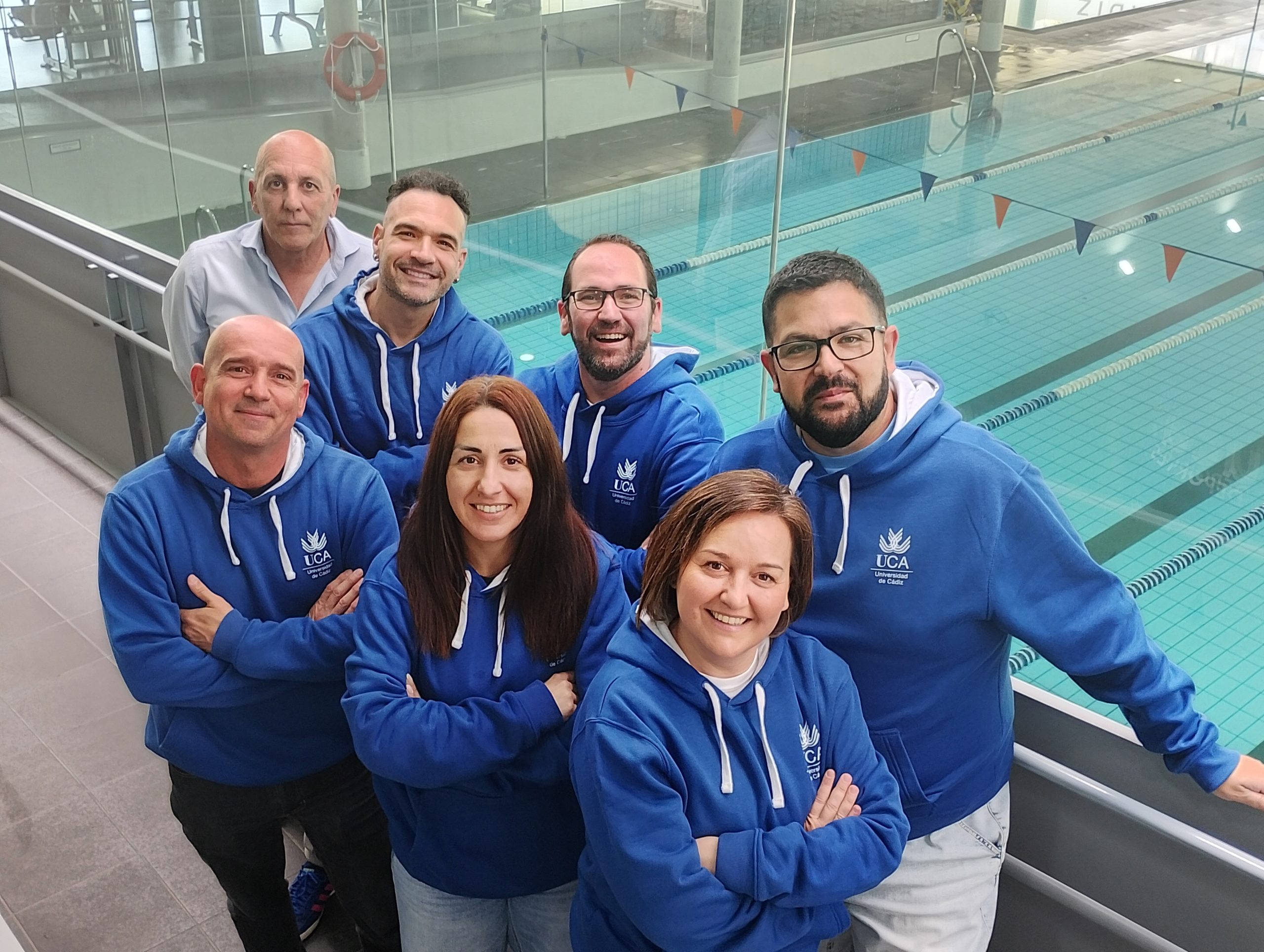
The work carried out by the University of Cádiz through its Sports Area goes beyond the management of facilities, activities and competitions, or the organisation of events such as the 2026 Spanish University Championships (CEU). It represents a firm commitment to the holistic development and well-being of students, where respect, inclusion and work-life balance are fundamental pillars.
This model reaches its fullest expression in the strong support for the Nautical Campus, which acts as a catalyst for sea-based activities and consolidates the UCA as a national benchmark in the maritime-terrestrial environment. From recreational sport across the different campuses to elite competition, the UCA works to ensure that physical activity becomes a tool for social transformation, turning the province of Cádiz into a setting where sporting talent, health and environmental awareness move in the same direction.
In this interview, we take a closer look at the work of the Sports Area and its key role in bringing physical activity closer to students and society.
The UCA is responsible for organising the surfing and parasurfing, sailing and beach volleyball events of the 2026 Spanish University Championships. What does this entail in terms of organisation and institutional image?
First and foremost, it means taking on a top-level organisational responsibility within Spanish university sport. In 2026, the UCA has assumed the organisation of the Spanish University Championships in surfing, sailing and beach volleyball, with venues at El Palmar Beach (Vejer de la Frontera), the Specialized Centre for Sailing Sports Technification (CETDV) Bahía de Cádiz in El Puerto de Santa María, and La Victoria Beach in Cádiz, as part of an Andalusian edition of the CEU that includes 32 disciplines. This requires technical coordination, logistics, collaboration with federations, venue management and the capacity to run a national competition across several locations in the province. In addition, these sports require extra logistical effort, as they take place in natural and environmentally protected settings.
In terms of image, this clearly strengthens the UCA’s position as a reference in sports linked to the sea and the coastline, consolidating the strategic commitment of our University as a driving force in education, research and knowledge transfer in the marine environment.
What role does the UCA Sports Area play in promoting sport in the province of Cádiz and in connecting with other universities and institutions?
The role of the Sports Area is structural within the UCA itself. Its mission defines it as the service responsible for coordinating and managing activities and courses, both independently and through agreements, as well as internal and external competitions and sports facilities. In other words, it does not act merely as an occasional organiser of tournaments, as in the recent CEU, but as a stable network of human and material resources that supports university sports practice.
In the province, this dynamisation is supported by agreements with local councils, federations and private entities for the shared use of facilities, co-organisation of competitions, and discounts on activities across different campuses and locations. For example, the UCA collaborates with the Provincial Council in its Sports Circuits. In this context, the Sports Area works closely with the UCA Nautical Campus to promote the province of Cádiz as a natural sporting environment, enabling the university community to engage with the sea through a unique nautical offer within the Spanish university system.
Beyond competition, what strategies are being developed to encourage sports participation among students who do not compete at a federated or university level?
The strategy is broad and goes far beyond competitive sport. The Sports Card provides access to facilities in Puerto Real and Jerez, as well as activities and courses at reduced prices, agreements with local councils and private entities, and discounts in gyms, clubs and specialised centres across the province.
The UCA maintains its own monthly programme, with subsidised prices, at its facilities in Puerto Real and Jerez, including both swimming pool and fitness room activities. This programme is constantly updated, as new activities regularly emerge in the market and we aim to incorporate them quickly into our offer. This includes not only free swimming but also activities such as aquasalus and aquagym, which promote not only physical fitness but also group work and social skills.
Of course, we also have cardio and strength training rooms equipped with machines that go beyond basic requirements. The catalogue of indoor activities is also varied and is updated practically every month according to demand.
In campuses where we do not have our own facilities, such as Bahía de Algeciras and Cádiz, we offer direct discounts for the UCA community. This year, approximately fifty entities, including clubs and gyms, have provided proposals.
In addition, the Sports Area provides technical support to initiatives arising from the Student Council or academic centres, as part of the strategic commitment to holistic education through sport.
What are the main challenges currently facing university sport at the UCA and what lines of action are being promoted to adapt to new student demands?
Our programme and experience allow us to identify several clear lines of action. One is to diversify the offer for different audiences, opening it up to society, with participatory activities, both internal and social competitions, and well-maintained facilities.
It is also important to maintain a balance between academic life and sport, and to continue recognising both recreational and high-level sport.
We must also continue working on fundamental aspects such as equality and inclusion. For example, the UCA always organises both internal and external competitions for both women and men.
Another priority is to improve communication and access, something that aligns with the WhatsApp community and the distribution of programming across multiple formats.
In short, rather than focusing solely on competition, the UCA is developing a more flexible ecosystem: well-being, regular practice, inclusion, visibility, academic recognition and specific support for student-athletes.
How are cross-cutting values of the UCA, such as respect for equality and diversity, integrated into the Sports Area?
They are integrated quite explicitly. The long-standing campaign At UCA, play fair: sport educates has recently received further recognition with the 2025 Andalusia Sports Award for the best initiative in preventing and combating violence, racism, xenophobia, intolerance and sexist behaviour in sport. In addition, the campaign has a structured framework reflected on our website (areadeportes.uca.es), including a code of ethics, a set of guiding principles and its practical application in competitions. These measures are not only implemented in our own activities but have also been adopted by other universities, local councils and sports federations.
This integration is also evident in specific programmes such as Women and Sport, which includes an extensive programme across all four campuses, and Sport and Inclusion, where the UCA has for years offered UCASport courses focused on surfing and functional diversity in aquatic environments. These initiatives reflect the University’s social commitment, aimed at democratising access to the sea and ensuring that nautical activities are inclusive and sustainable for all groups.
Similarly, this sensitivity to diversity is present in administrative management, through measures such as the possibility of requesting the use of a preferred name within the Sports Area database.
In recent years, academic studies on sport have increased. How does the activity of the service benefit this type of research?
It benefits primarily by creating a university environment, activity and institutional recognition around sport. The mission of the Sports Area itself highlights its collaboration in teaching and research activities. Our sports facilities host daily classes from the Degree in Sports Sciences, as well as from master’s programmes and UCA-specific qualifications.
In addition, the service generates innovative experiences such as the UCASport training programme, which includes numerous online webinars each month and other tools useful for academic life, such as the sports curriculum and the recognition of ECTS credits for sports activities.
In American series and films, the influence of sports teams in attracting university talent is often highlighted. Could this trend be extended to the European model?
A direct import seems unlikely. What the UCA proposes is a more European and traditionally academic model: sport as holistic education, health, coexistence, equality, inclusion, academic recognition and support for student-athletes, rather than as a large-scale recruitment mechanism based on competitive spectacle.
What are the upcoming major sporting events in which the University of Cádiz will be involved?
The next major confirmed event, as listed on the official Sports Area website, is the Spanish University Beach Volleyball Championship, which will be held on La Victoria Beach in Cádiz on 5 and 6 May.
Prior to this event, the UCA has already hosted the Spanish University Surf Championship in March and the Sailing Championship from 14 to 17 April in El Puerto de Santa María. In addition, the overall Andalusian calendar for the 2026 Championships runs until 17 May, with participation from our students—both women and men—in numerous sports. It is also worth highlighting the results achieved so far by our athletes in this edition: the silver medal in weightlifting by Miguel Ángel Chamorro; gold medals by Rubén Gómez in adapted swimming and Lara Sastre in longboard; and the outstanding fourth-place finish of our women’s futsal team.