
The University of Cádiz hosts the 12th International Joint Conference on Rough Sets, the leading international conference on rough set theory. 3 June 2026
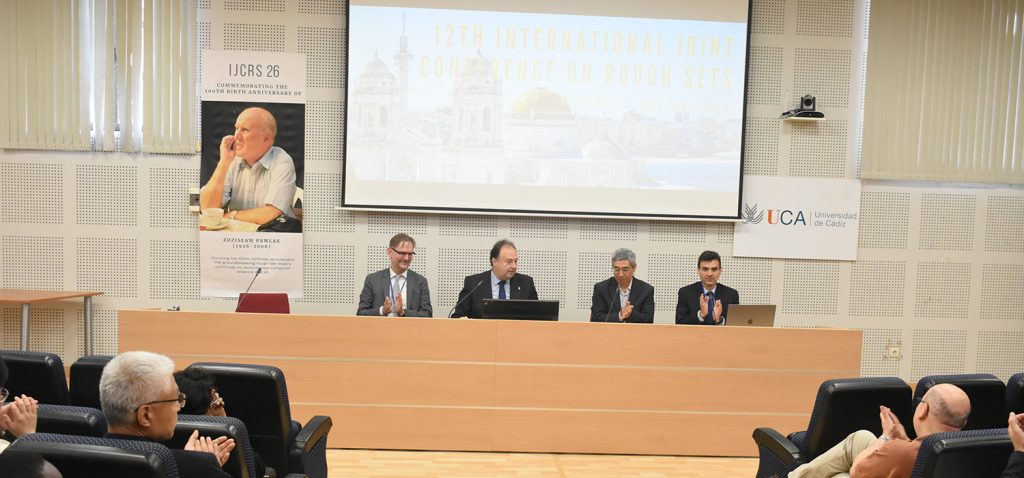
The conference brings together international experts whose work influences fields such as artificial intelligence, intelligent computing and the mathematical treatment of complex data
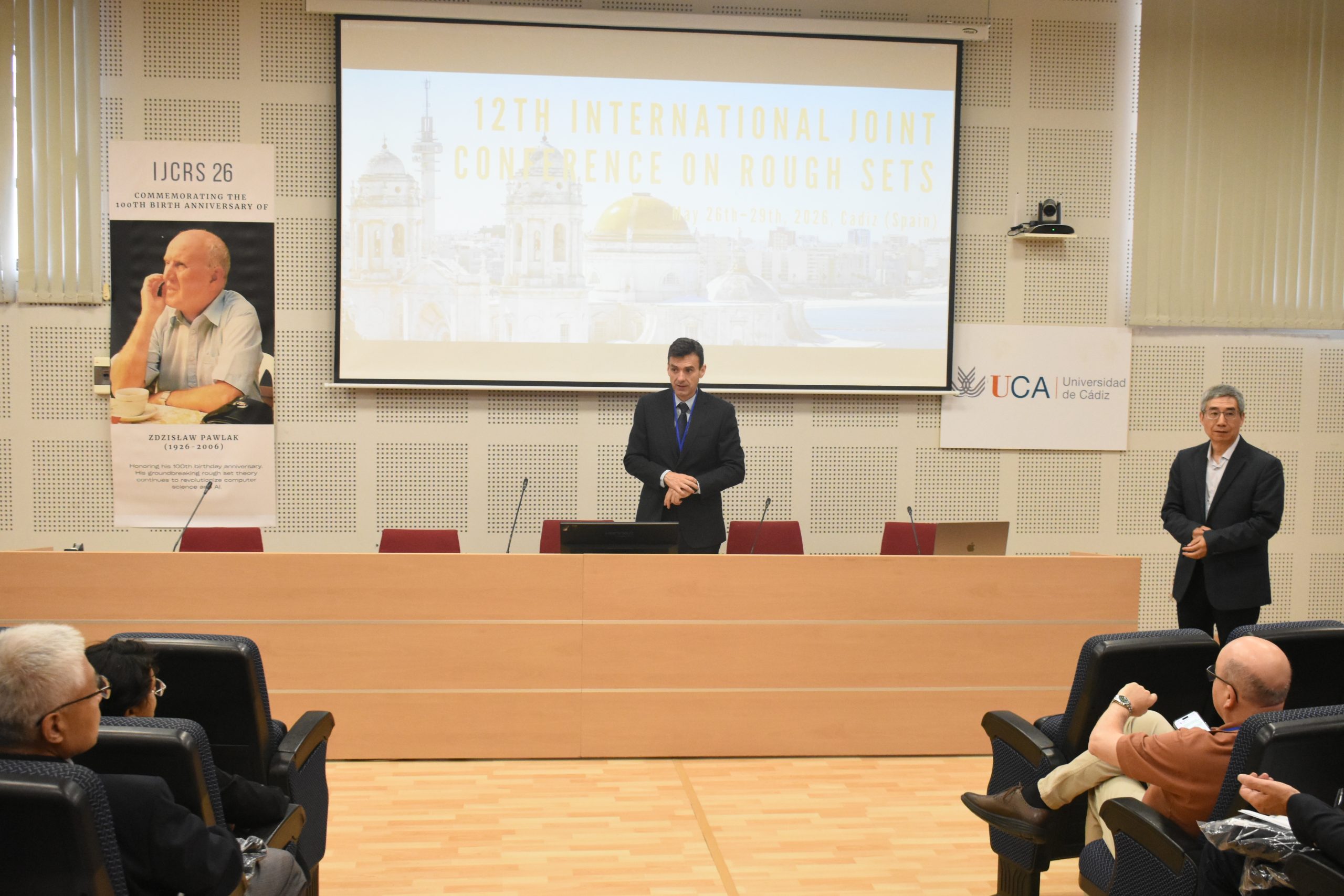
The University of Cádiz is hosting the 12th International Joint Conference on Rough Sets (IJCRS 2026) at the Constitution 1812 Building from 26 to 29 May. Organized under the auspices of the International Rough Set Society, the conference is the leading international forum dedicated to research on rough sets and related disciplines such as granular computing, three-way decision models and fuzzy logic.
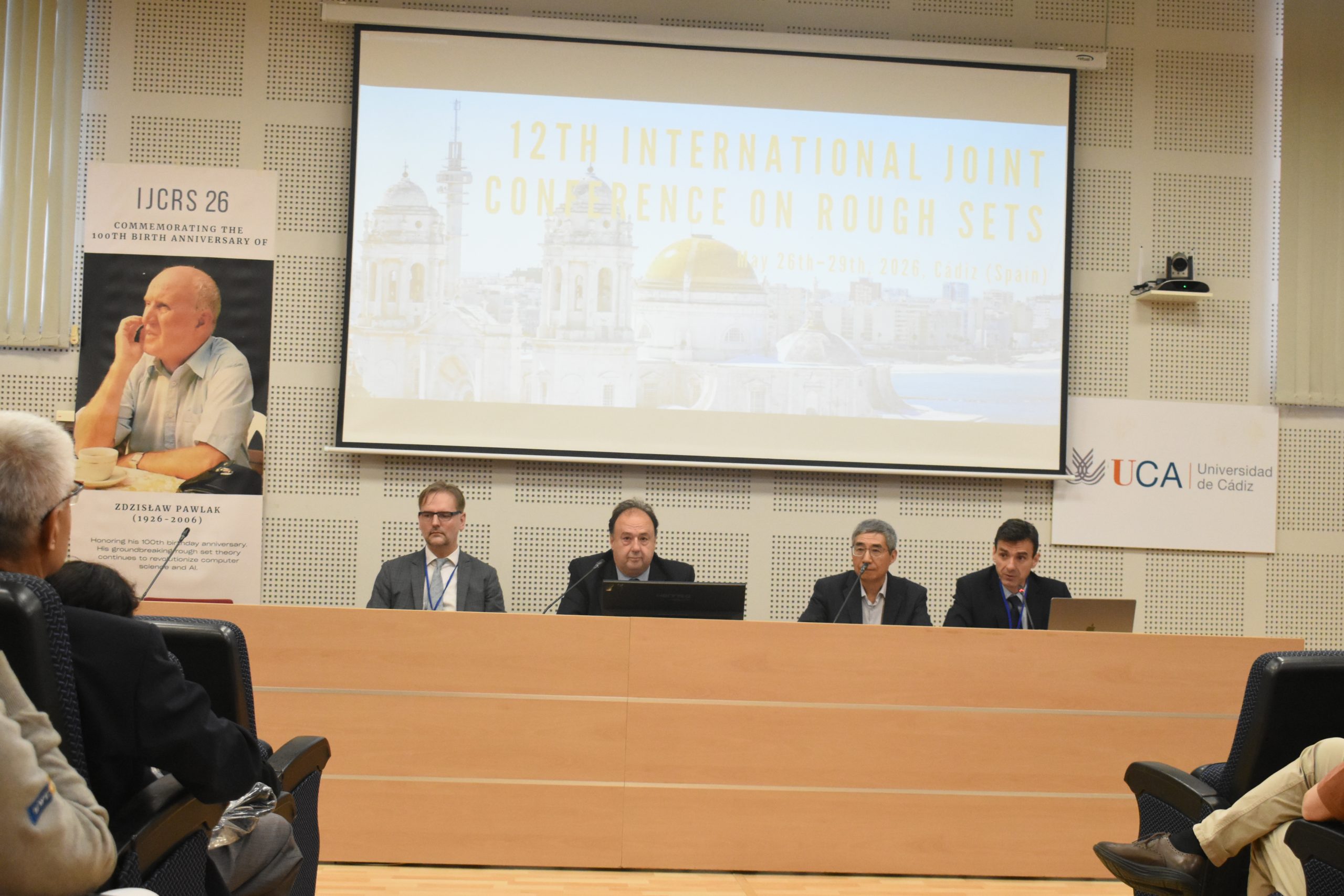
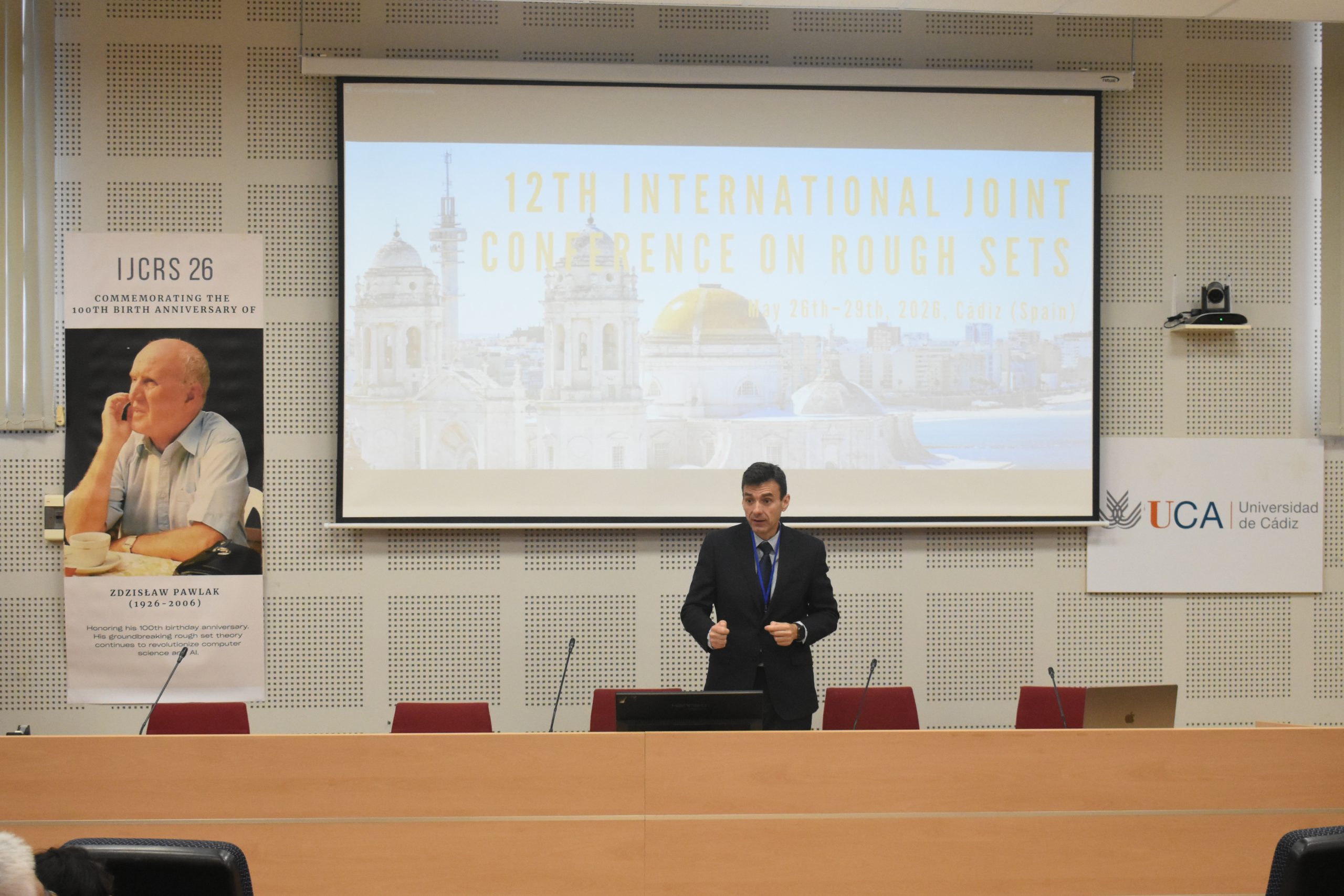
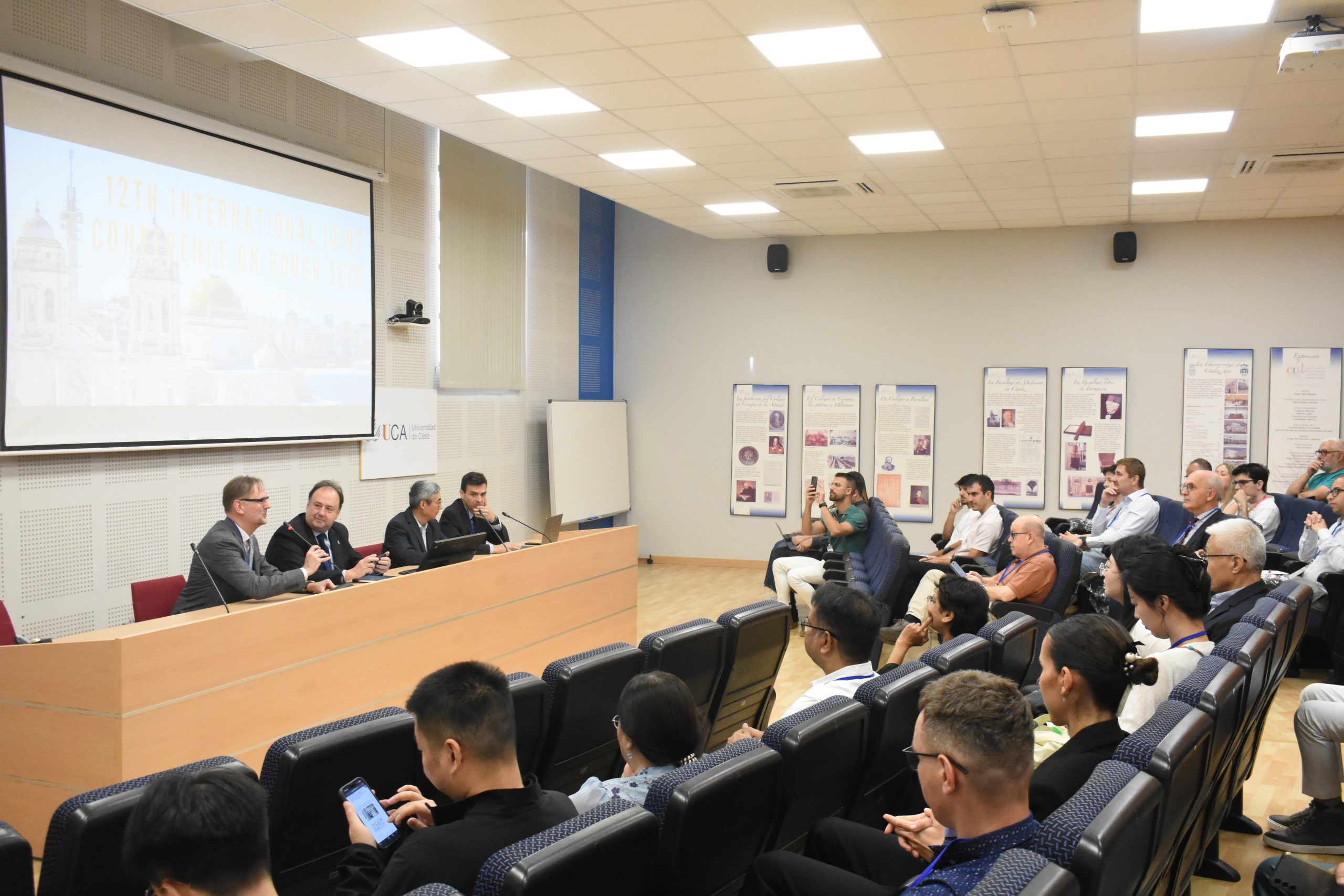
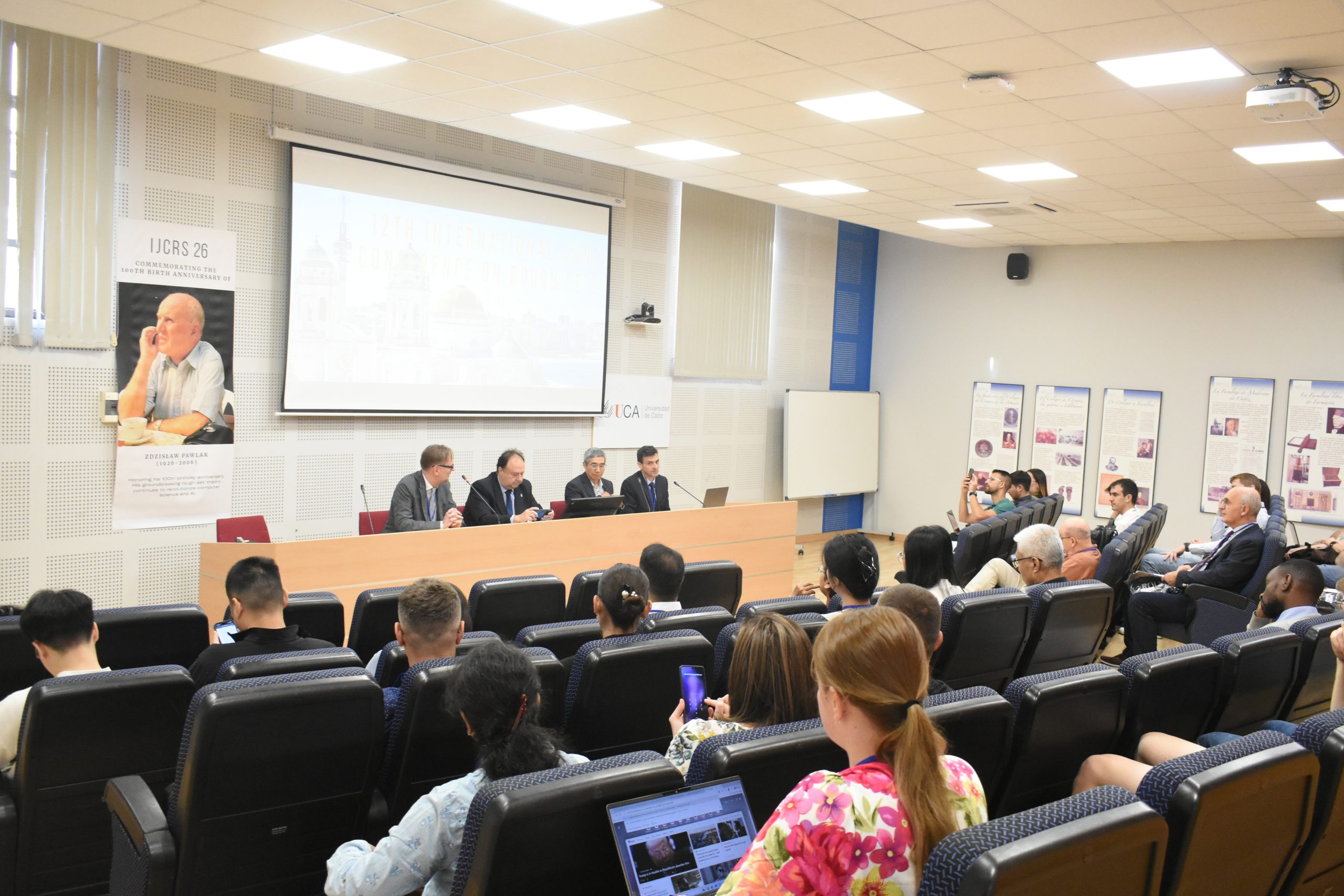
The opening ceremony, held at the Constitution 1812 Building, was chaired by the Rector of the University of Cádiz, Casimiro Mantell, and attended by Yiyu Yao, Program Chair of the International Rough Set Society; Dominik Ślęzak, General Chair of the conference and former President of the Society; and Jesús Medina Moreno, Professor of Applied Mathematics at the University of Cádiz and Chair of the Local Organizing Committee.
In his address, the Rector highlighted that the conference brings together “a highly specialized and international scientific community” working on key challenges for the future of research, including the processing of complex data, the extraction of useful knowledge from information, and the development of computational systems that are “more intelligent, more reliable and more understandable.” He also stressed that the selection of Cádiz as the venue for this European edition represents “recognition of the work carried out over many years” by the M·CIS (Mathematics for Computational Intelligent Systems) research group, led by Professor Jesús Medina.
Mantell also emphasized the role of applied mathematics in the development of artificial intelligence, noting that many advances in the field are underpinned by “theory, models, rigor and high-quality research.” In this regard, he reaffirmed the University of Cádiz’s commitment to research excellence, internationalization, and strategic areas such as artificial intelligence, data science and intelligent computing.
Rough sets were introduced by Zdzisław Pawlak in the early 1980s and subsequently developed as a method for representing and processing knowledge based on uncertain data and incomplete information. Today, rough set theory is widely recognized for its importance in fields such as artificial intelligence, mathematics, knowledge representation and machine learning, as demonstrated by the growing number of studies devoted to both its theoretical foundations and practical applications.
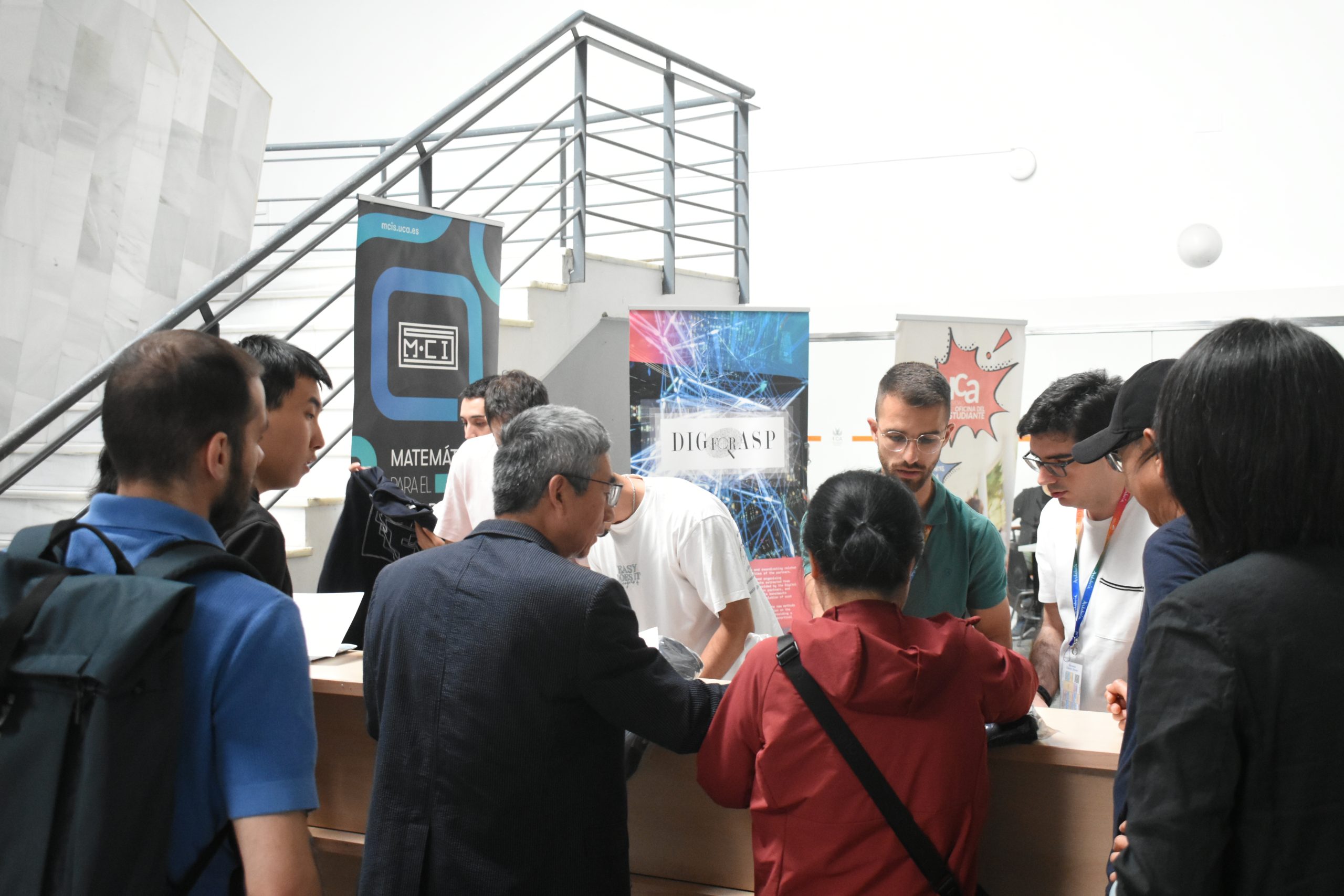
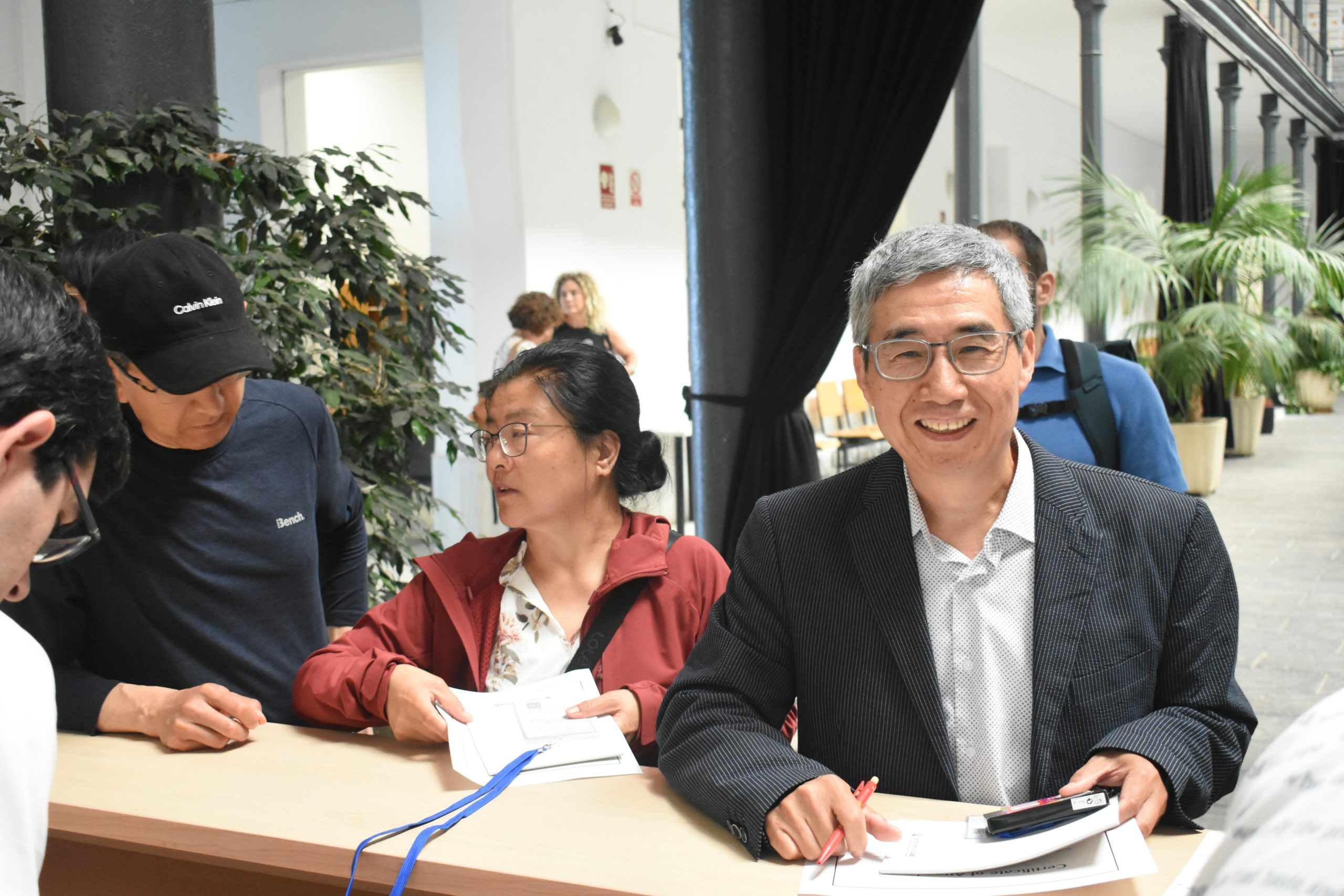
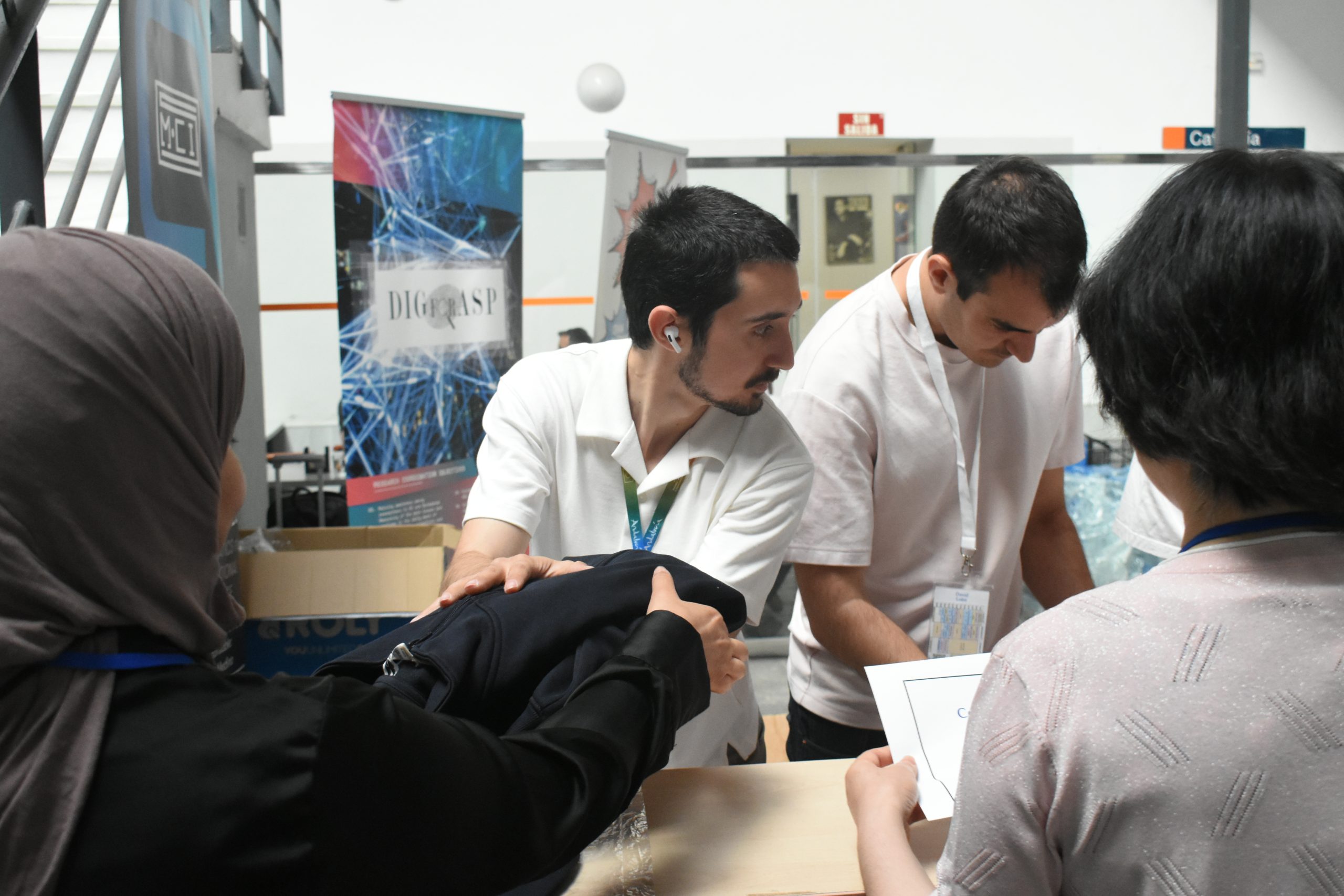
The conference is organized by the M·CIS research group at the University of Cádiz. Researchers, specialists and students from numerous countries are taking part, including Spain, Belgium, Italy, France, Slovakia, Colombia, the Czech Republic, Canada, India, Vietnam and China, reinforcing the international and multidisciplinary nature of this leading scientific event in artificial intelligence and intelligent data processing. The conference is also supported by Ghent University (Belgium), the University of Warsaw (Poland), the University of Regina (Canada) and the International Rough Set Society.
IJCRS 2026 aims to serve as the premier international forum for the dissemination of theoretical advances and real-world applications related to intelligent systems and the processing of information derived from imperfect databases. The conference provides an opportunity to share innovative scientific results, foster academic debate and promote the exchange of ideas between academia and industry.
The scientific programme includes specialized workshops on fuzzy computing, conceptual structures and cognitive machine learning, as well as special sessions devoted to hybrid models, cognitive intelligence and decision systems. The event also features tutorials delivered by internationally renowned experts on modal logic, pattern discovery, fuzzy relational calculus and knowledge extraction in real-world environments.
Another highlight of the conference is the round table organized by Dominik Ślęzak to commemorate the centenary of Pawlak’s birth. Panel participants include Mohua Banerjee, Salvatore Greco, Ernestina Menasalvas, Hung Son Nguyen, Jing-Tao Yao, Yiyu Yao, Hong Yu and Beata Zielosko. The keynote programme also features internationally recognized researchers such as Salvatore Greco, M. Eugenia Cornejo, Xiaoling Wang, Didier Dubois and Francisco Herrera.
With the celebration of IJCRS 2026, Cádiz strengthens its position as an international meeting point for advanced research in artificial intelligence and intelligent technologies, bringing together world-leading experts in one of the scientific fields with the greatest impact on contemporary technological development.