

The Faculty of Education launches the first University Teaching Games Library at the University of Cádiz 30 October 2025
This pioneering initiative, developed by Professor Marina Camino Carrasco, promotes educational innovation through games and experiential learning
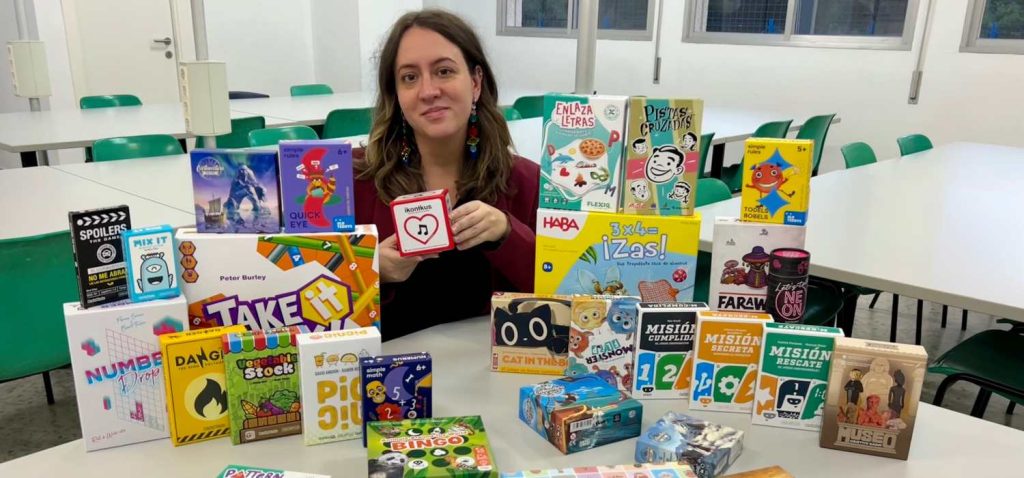
The Faculty of Education at the University of Cádiz has launched the institution’s first University Teaching Games Library, an innovative project aimed at promoting active methodologies in teacher training through the use of games as educational tools. This unprecedented initiative within the UCA is part of the teaching innovation project titled Docentes en juego: Creation of a university games library and training in Game-Based Learning (GBL) for innovation in teacher education, led by Professor Marina Camino Carrasco from the Department of Didactics (area of Social Sciences Didactics).
The library serves as a didactic resource designed to offer university teaching staff playful materials that support the implementation of innovative pedagogical strategies in the classroom. Its primary goal is to bring the educational potential of Game-Based Learning (GBL) into the university environment, fostering an experiential and active approach to teaching and learning. It is intended for both university faculty and students in teacher training programmes, becoming a reference tool for improving the quality of education.
The project has been made possible through direct collaboration between the Docentes en juego team and various board game publishers, who have generously donated materials. Among the partner organisations are BrainPicnic, OldTeddy’s, Tantrix, Haba, FlexiQ, and Maldito Games, with more than 40 donated games to date, all selected for their educational value across different areas of knowledge.
In addition, the library features two serious games developed by the HUM-509 Phoenix Mediterranea research group, to which the project lead belongs. Members of this group have also actively contributed to the initiative. Their work focuses on designing educational tools that integrate academic content with game dynamics, strengthening the project’s research component.
One of the most remarkable aspects of the project is its interdisciplinary nature, involving faculty members from different UCA faculties, including Education, Medicine, and Arts and Humanities. This diversity of academic backgrounds enhances the project’s cross-cutting perspective and opens up new opportunities for collaboration in future editions. In fact, the project is expected to expand in the coming academic years, incorporating new lines of work and additional participating centres.
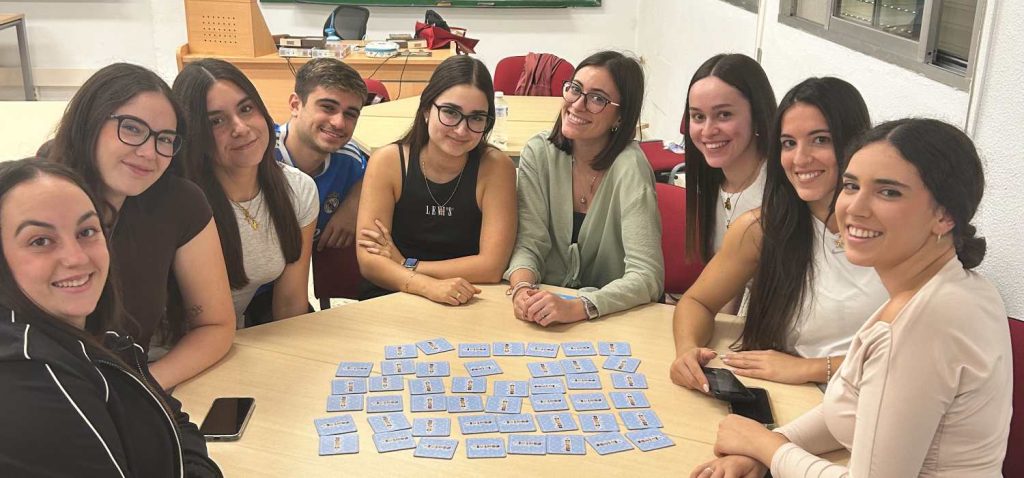
Professor Marina Camino has emphasised that the goal of this university games library is to become a reference point in educational innovation, as well as in the training of future teachers in active learning methodologies.
Project developments, materials, and experiences can be followed via the Instagram account @docentesenjuegouca, managed by student collaborators. This profile serves as a platform for disseminating and reflecting on Game-Based Learning in the university context, showcasing the games included in the library, sharing good practices, and encouraging the exchange of ideas between teachers and students.