

Phoenix Mediterranea Research Group Opens Castillo de Doña Blanca Excavations to the Public During European Archaeology Days 9 June 2026
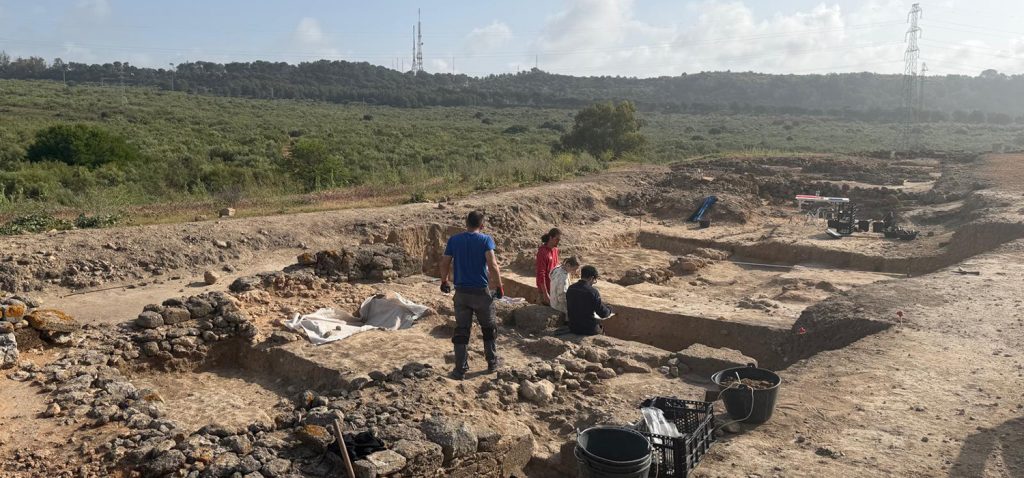
The activity will offer visitors a first-hand look at the archaeological excavations and research work carried out by the University of Cádiz at one of the Iberian Peninsula’s most important protohistoric sites.
As part of the 2026 European Archaeology Days, the University of Cádiz’s Phoenix Mediterranea Research Group (HUM-509) will host an open day at the archaeological site of Castillo de Doña Blanca, located in El Puerto de Santa María, on 13 June. The initiative aims to bring the University’s ongoing research activities closer to the public and raise awareness of the scientific work being undertaken at this important heritage site.
The event will take place from 10:00 a.m. to 12:00 p.m. at the archaeological site facilities. Participation is free of charge, although places are limited and advance registration is required via email at grupo.hum509@uca.es.
Visitors will have the opportunity to learn first-hand about the archaeological excavations currently underway, the scientific documentation procedures employed by the research team, and the analysis and study of materials recovered during excavation campaigns. The programme will also include a visit to the research laboratory, where participants will be introduced to the recording, conservation and analytical processes that form part of archaeological research.
The initiative is part of the University of Cádiz’s broader commitment to knowledge transfer and public engagement with science. Its objective is to make academic research more accessible to society while fostering a deeper understanding of historical heritage and the scientific methods used to investigate and preserve it.
Castillo de Doña Blanca is one of the most significant archaeological sites in southern Spain for the study of the Phoenician and Punic communities established in the Bay of Cádiz. The site has been the focus of numerous research projects led by the University of Cádiz in collaboration with scientific and heritage institutions, contributing substantially to knowledge of the ancient Mediterranean and the region’s historical development.