
Over one hundred students take part in a workshop highlighting the role of women in Art History 3 December 2025
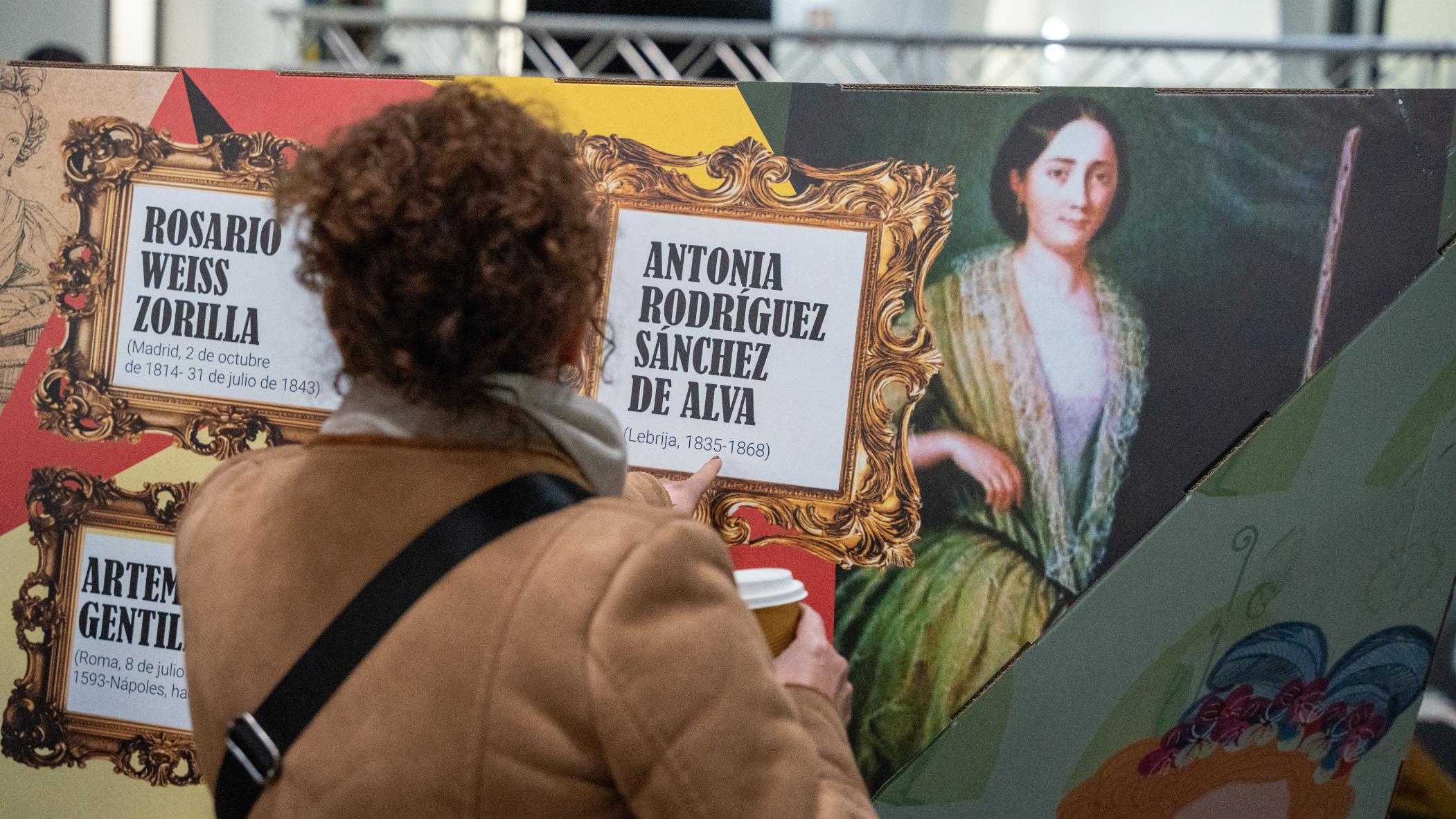
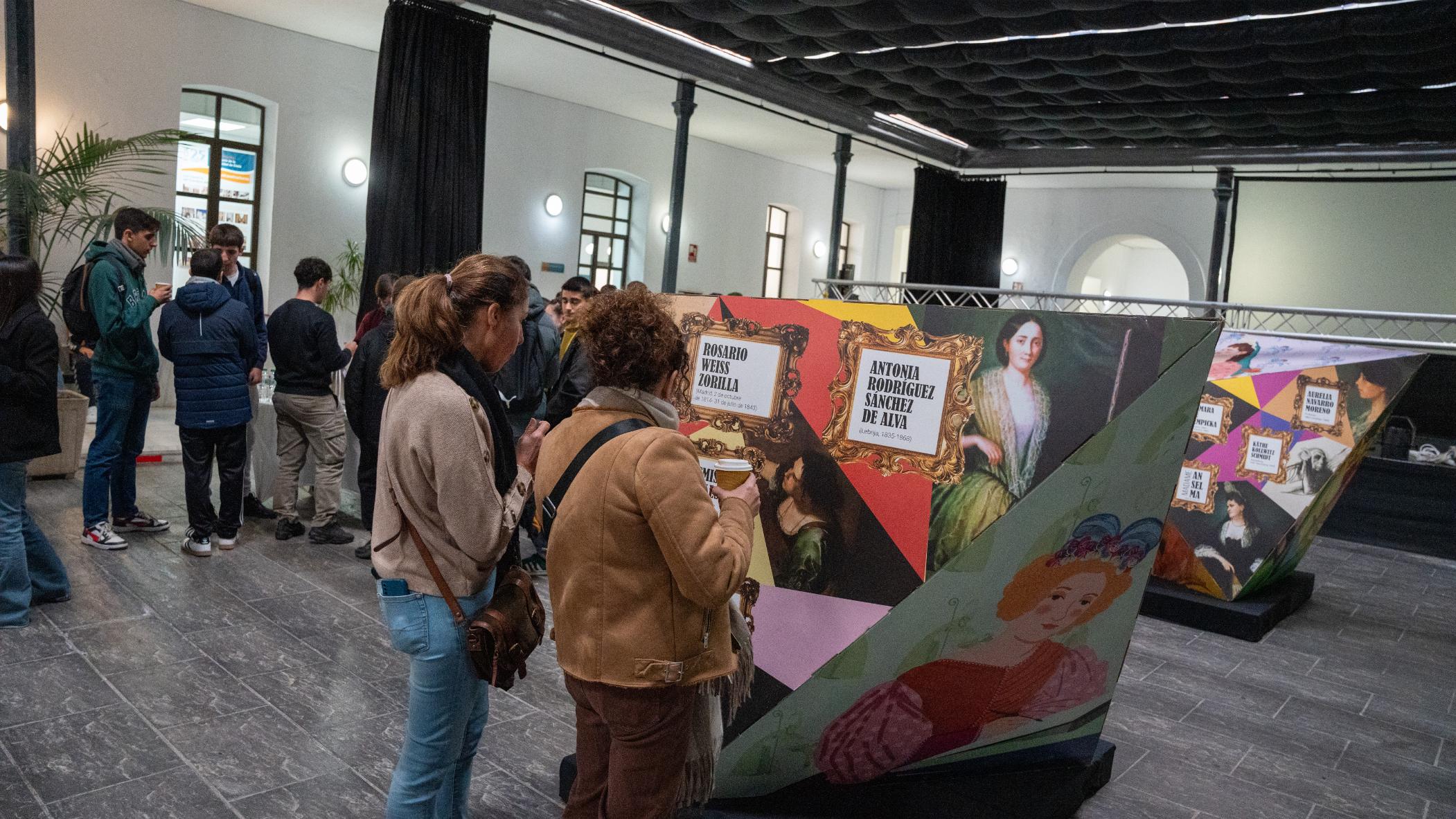
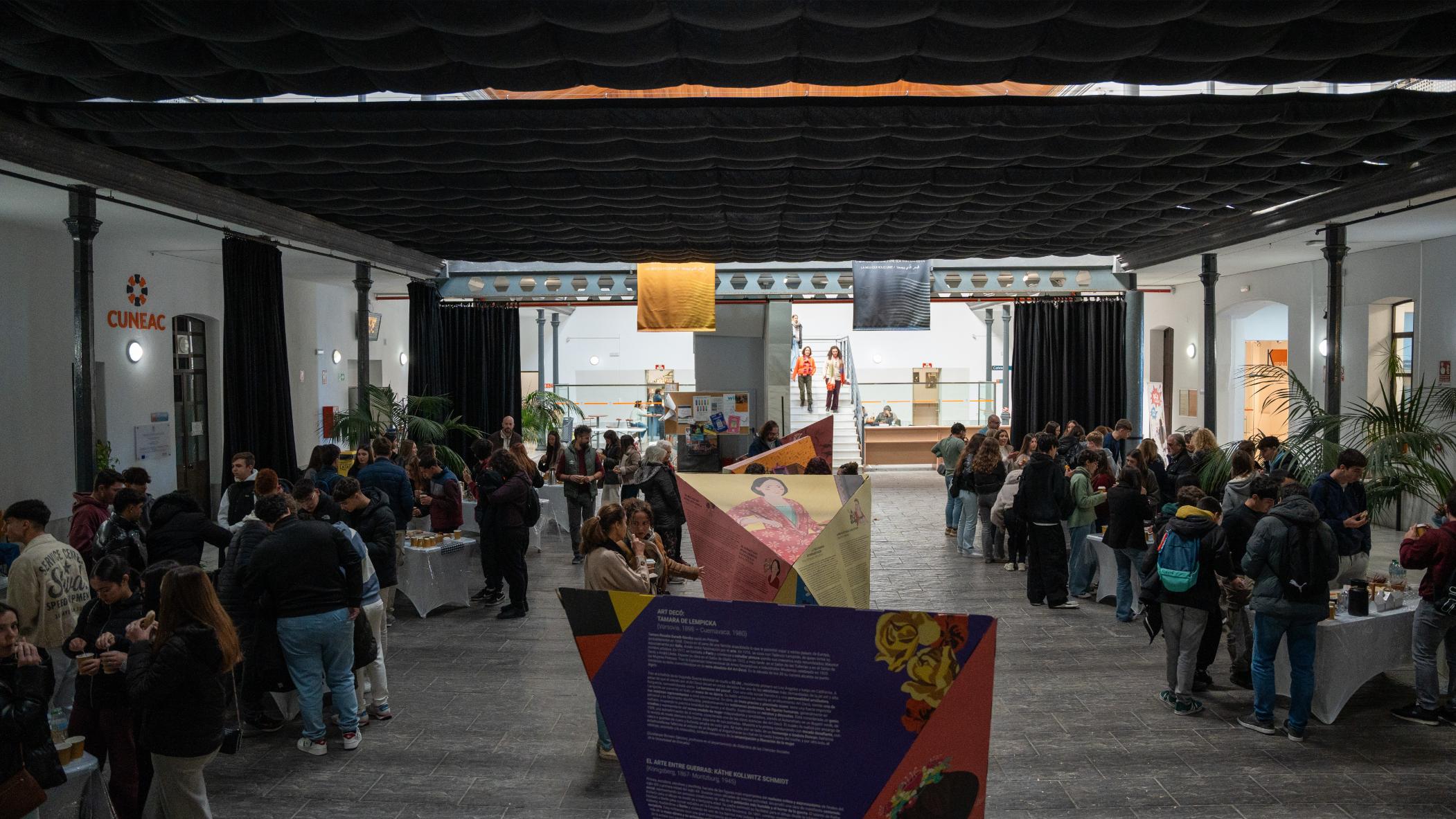
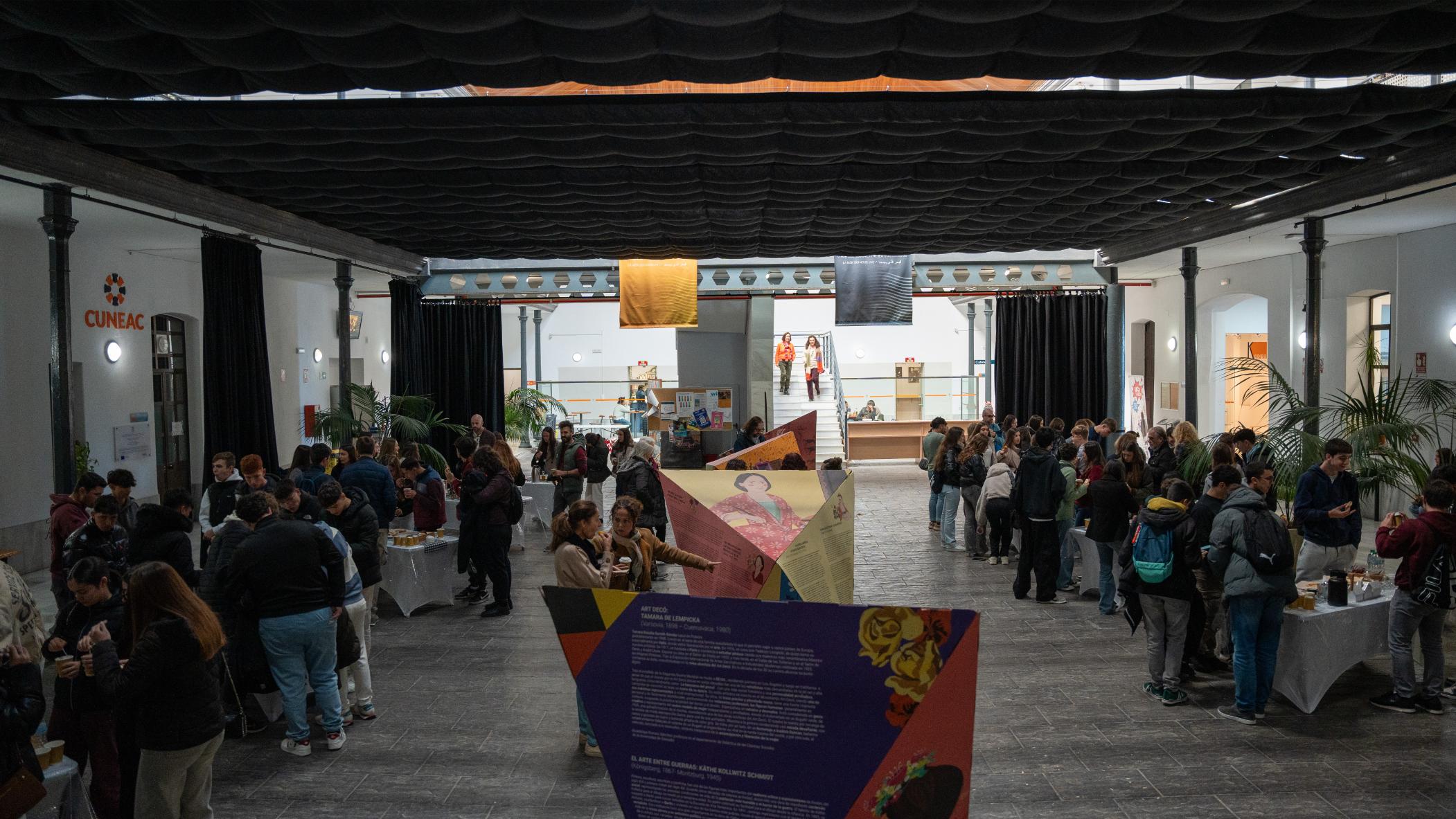
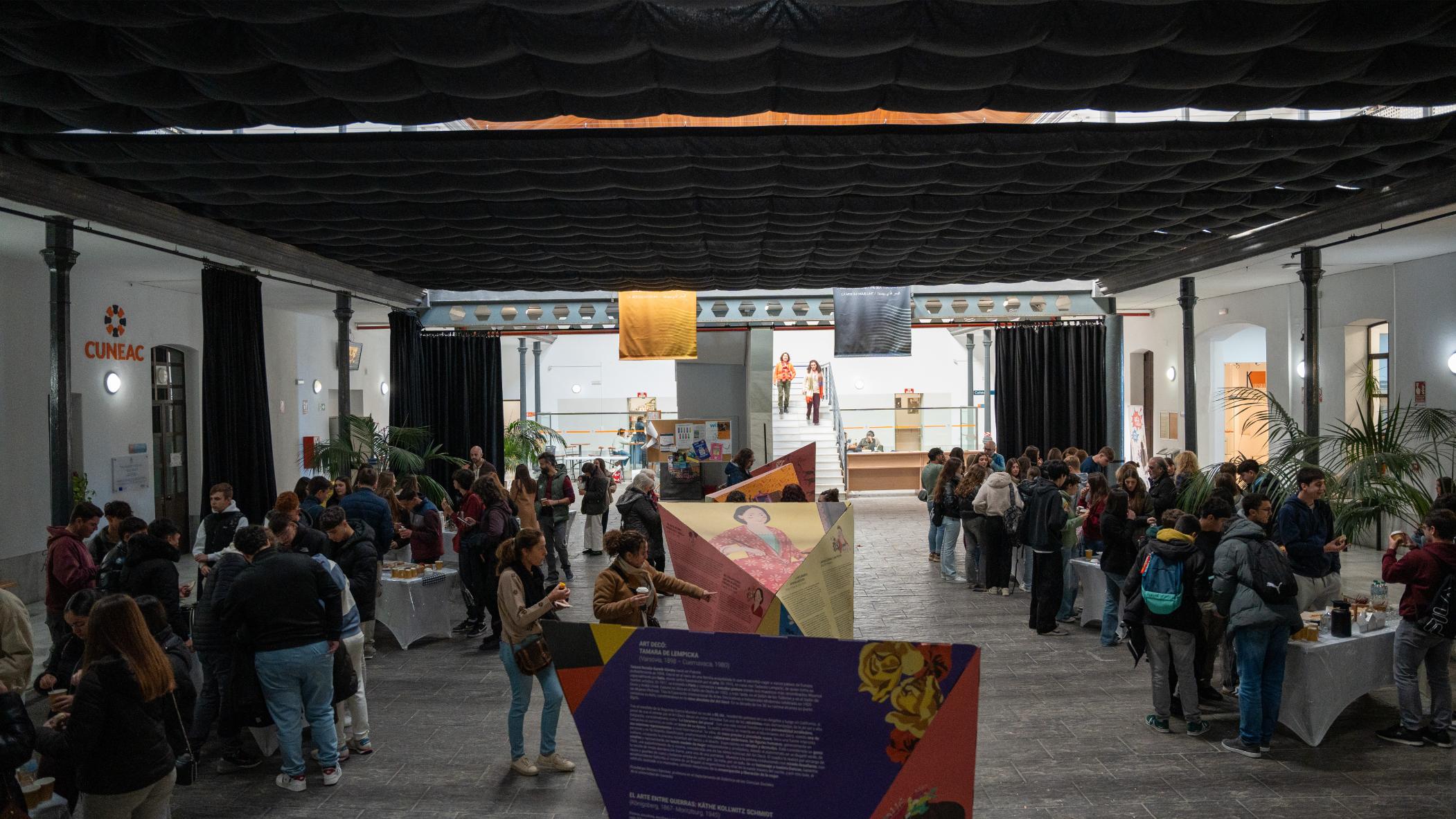
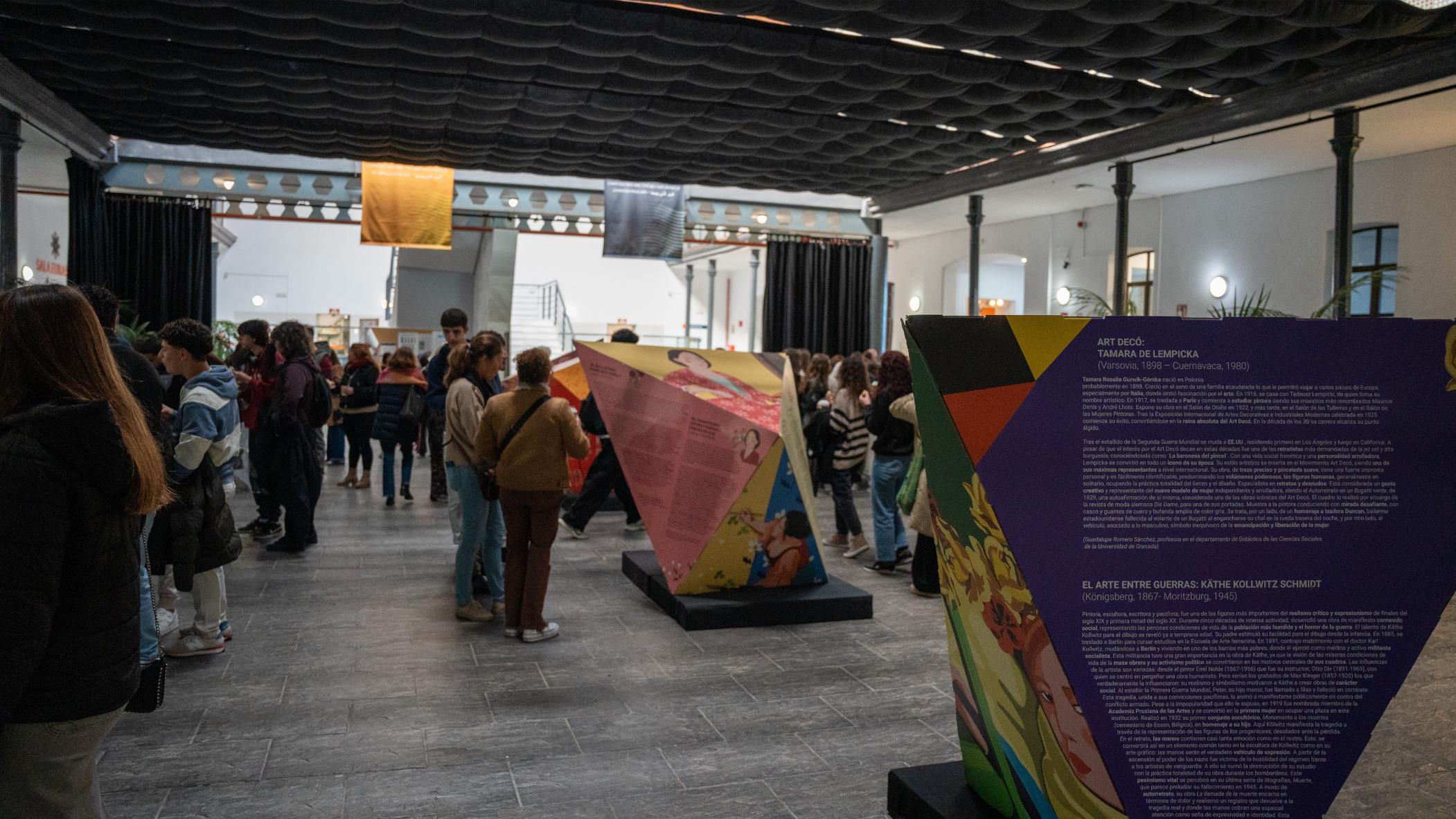
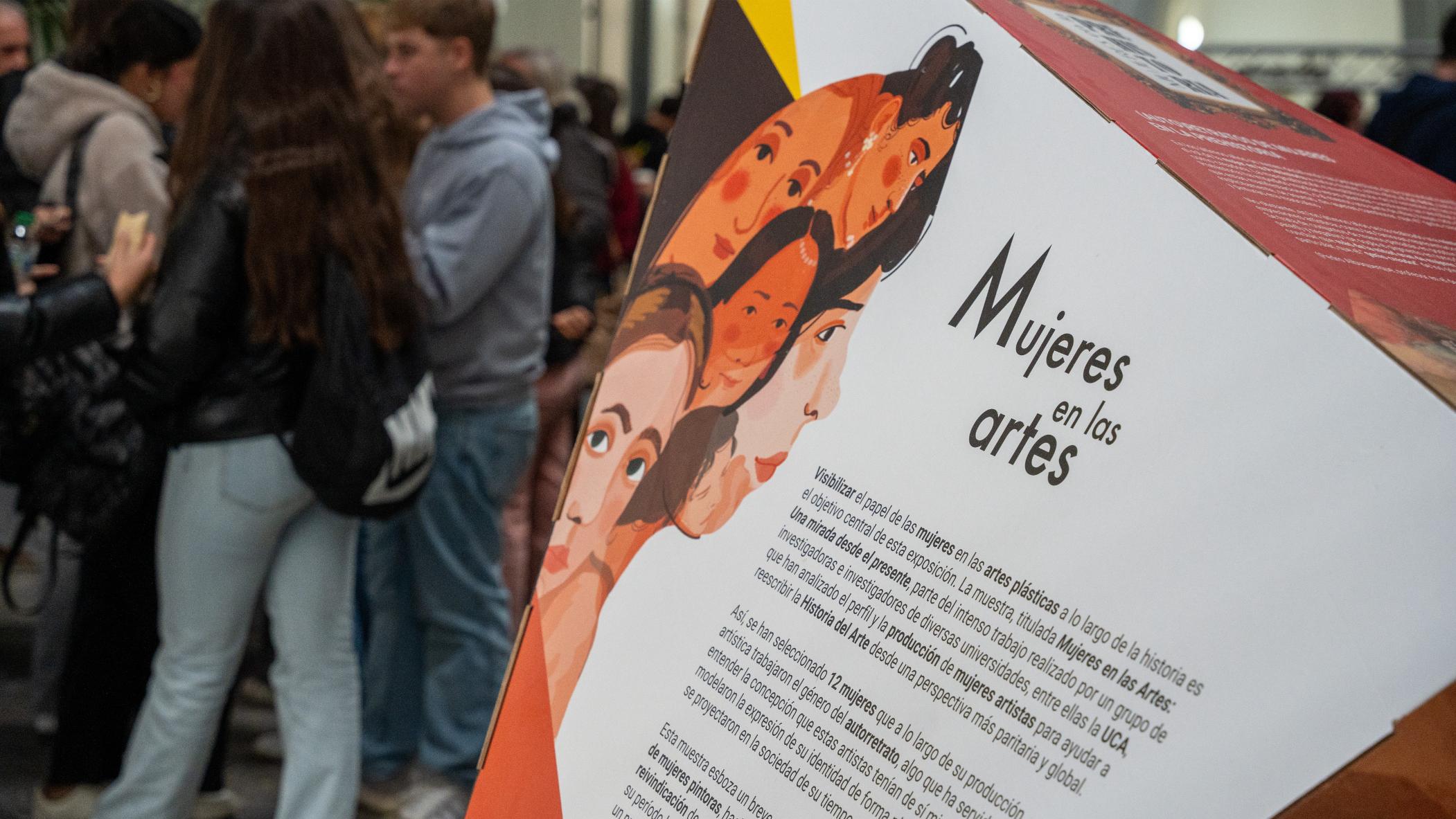
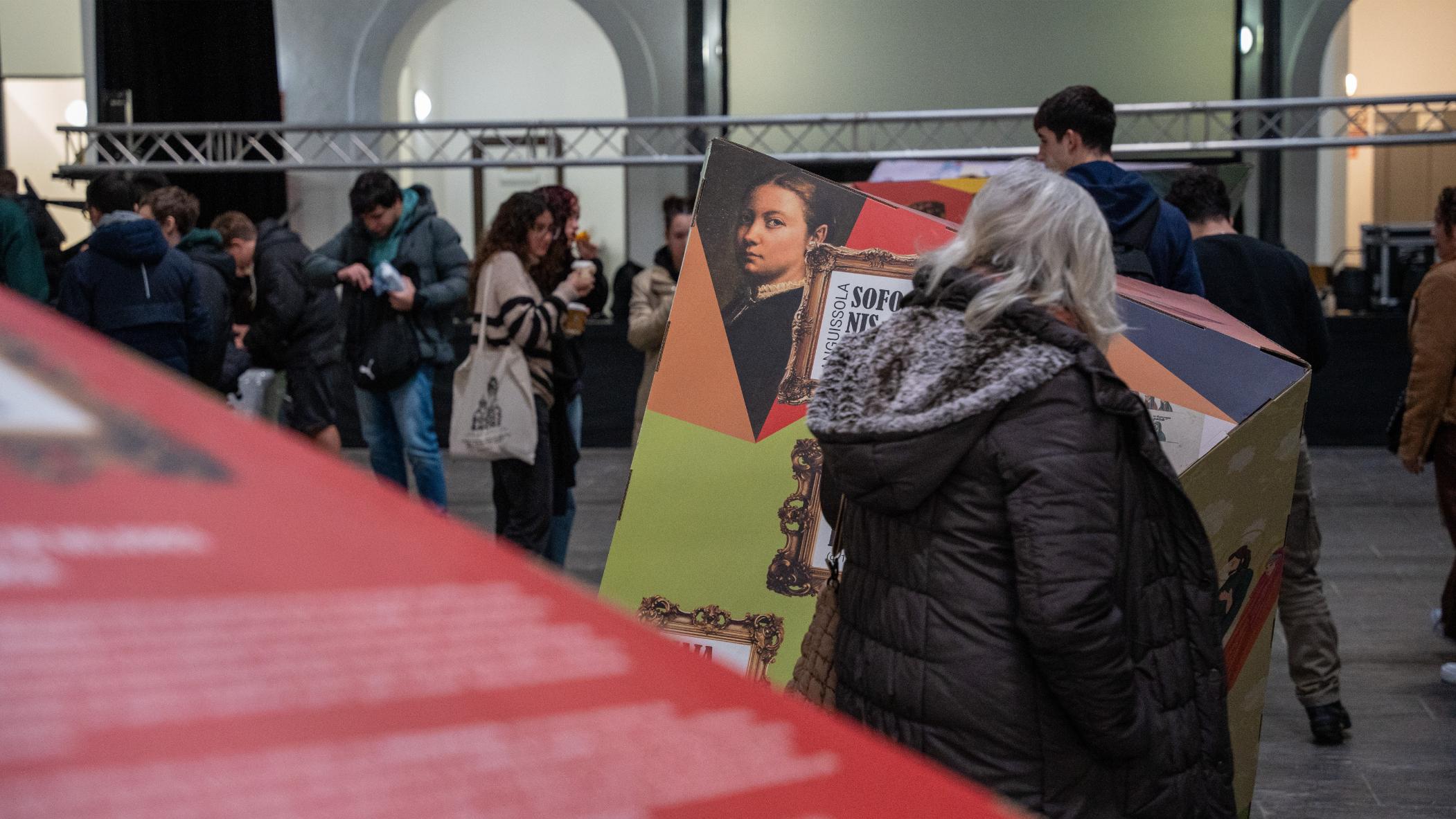
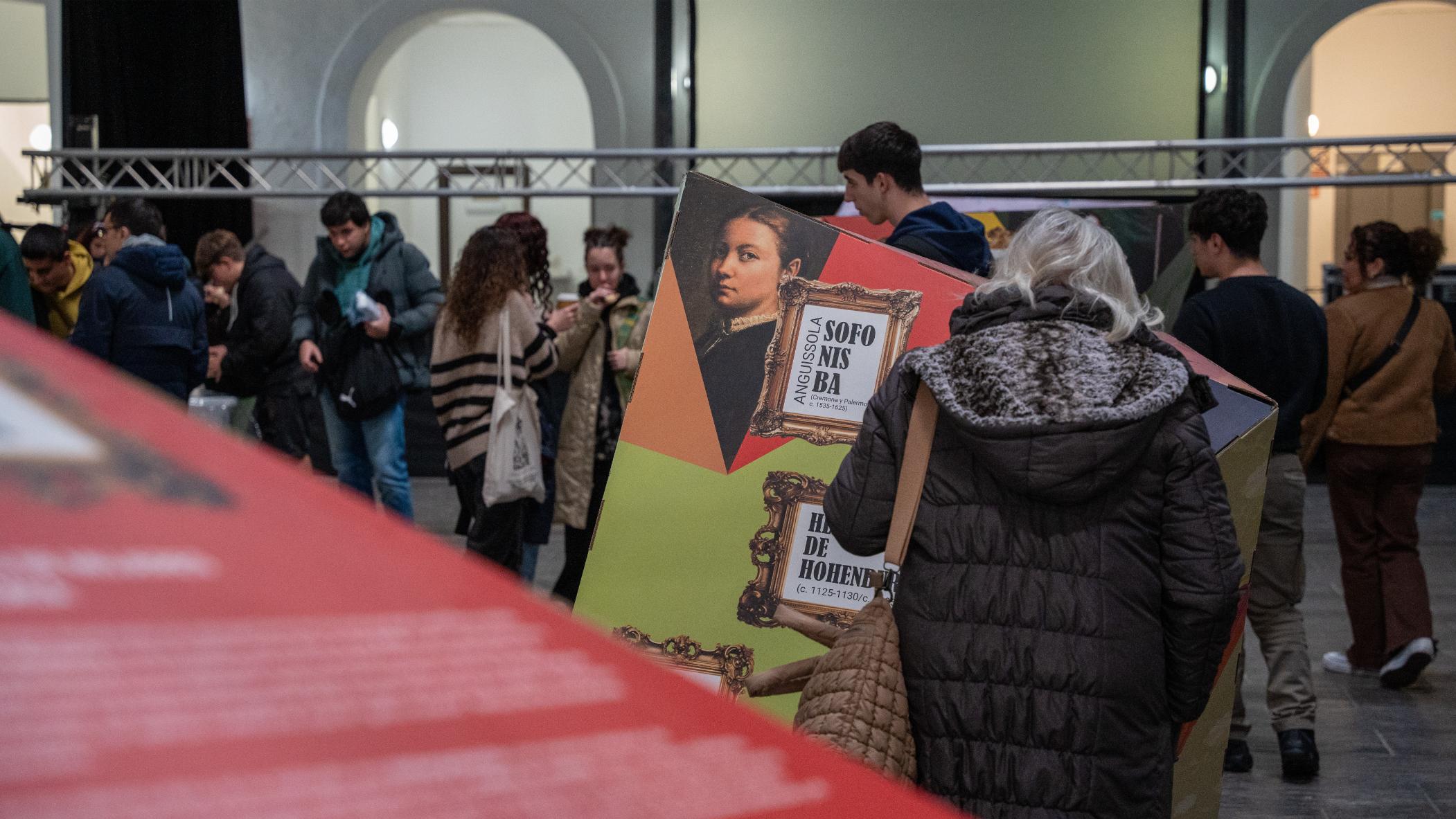
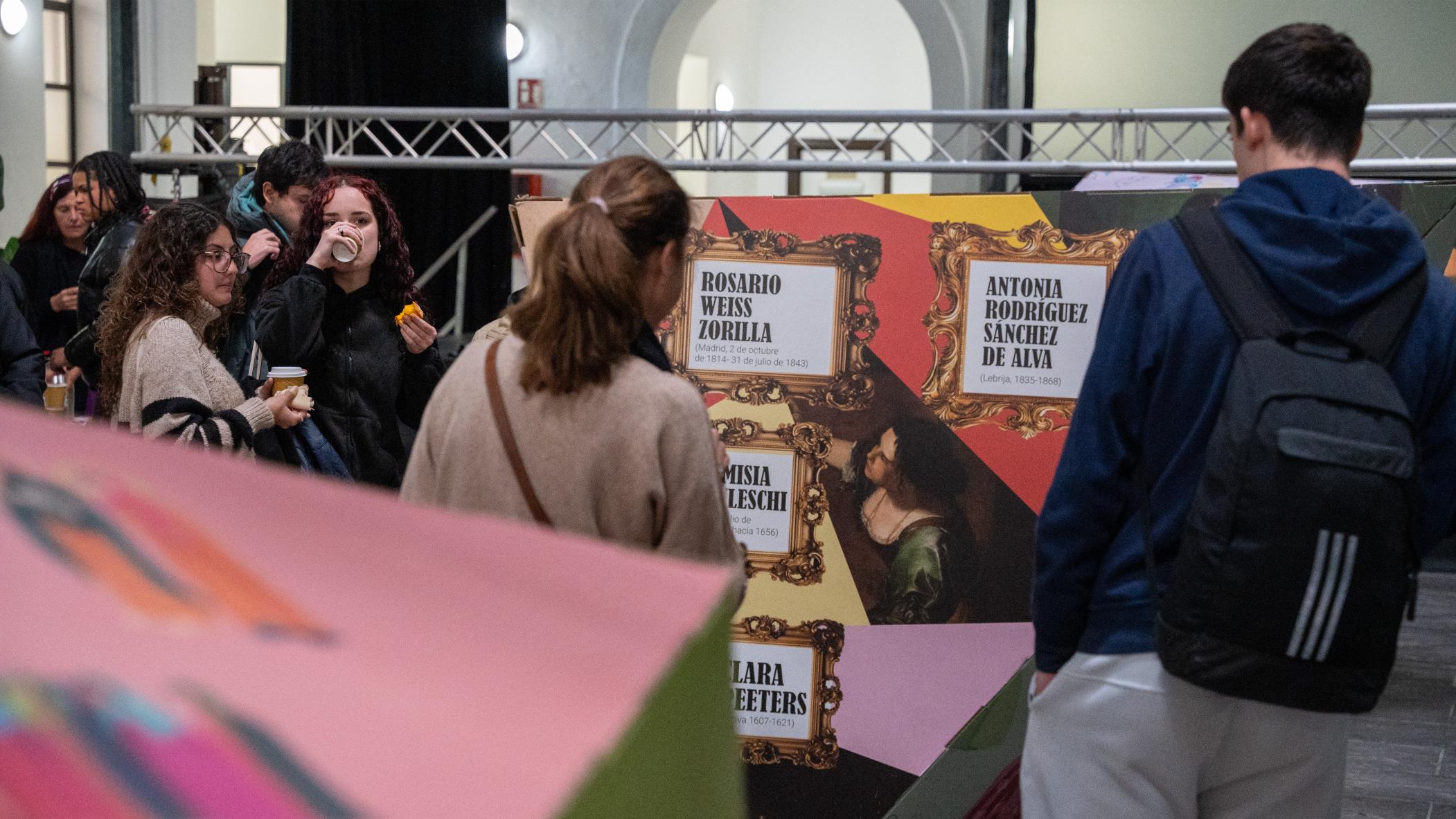
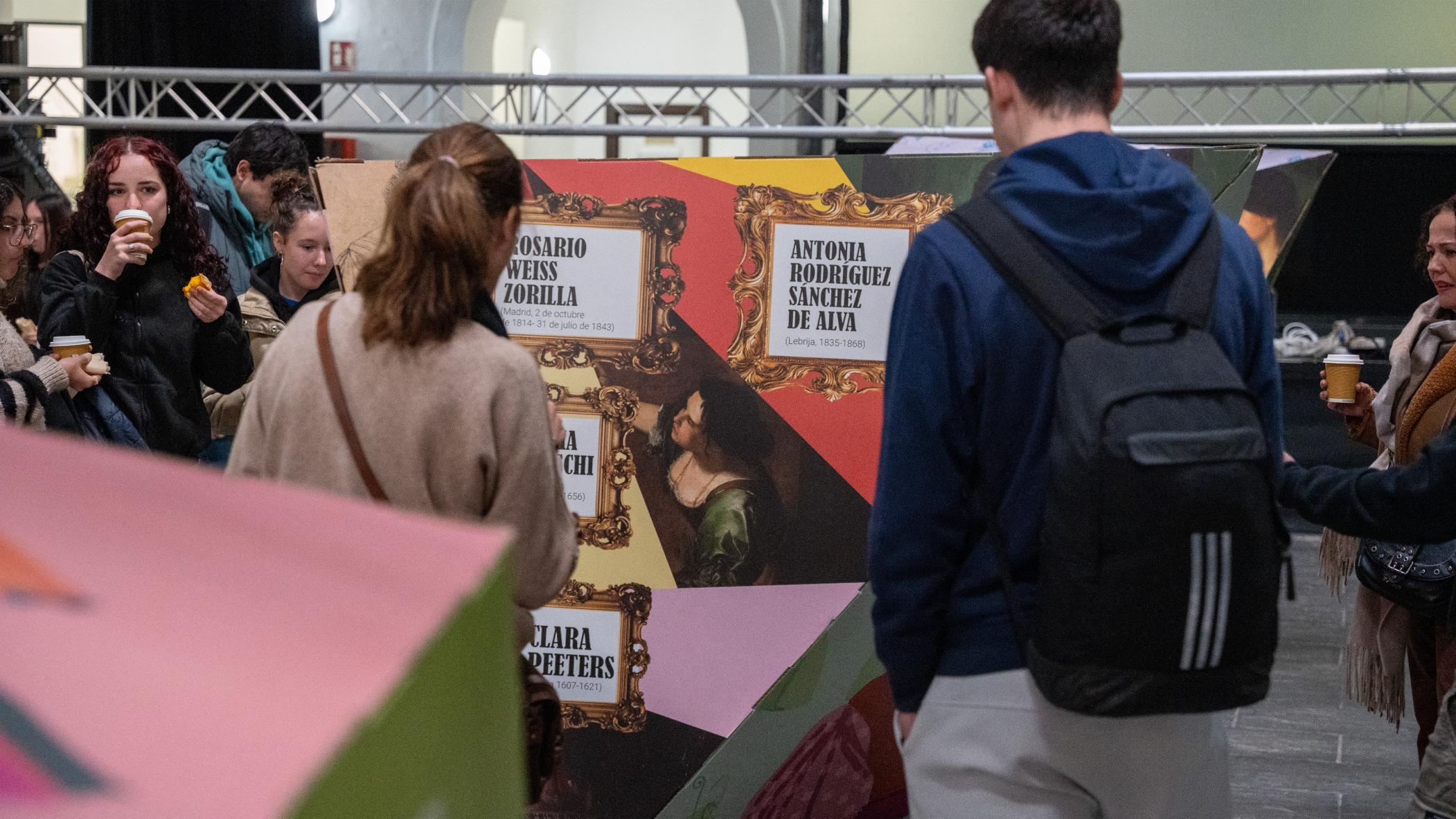
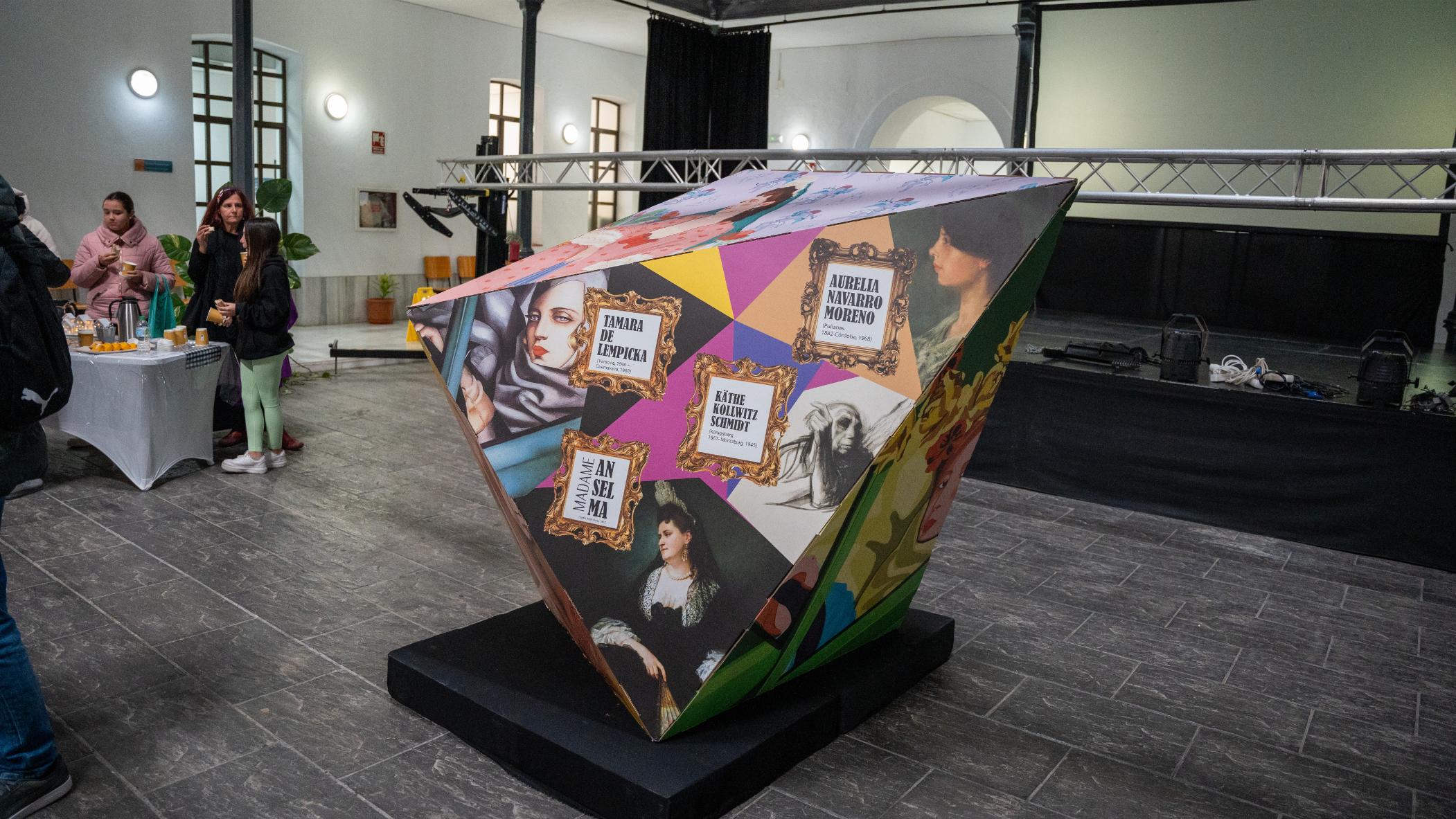
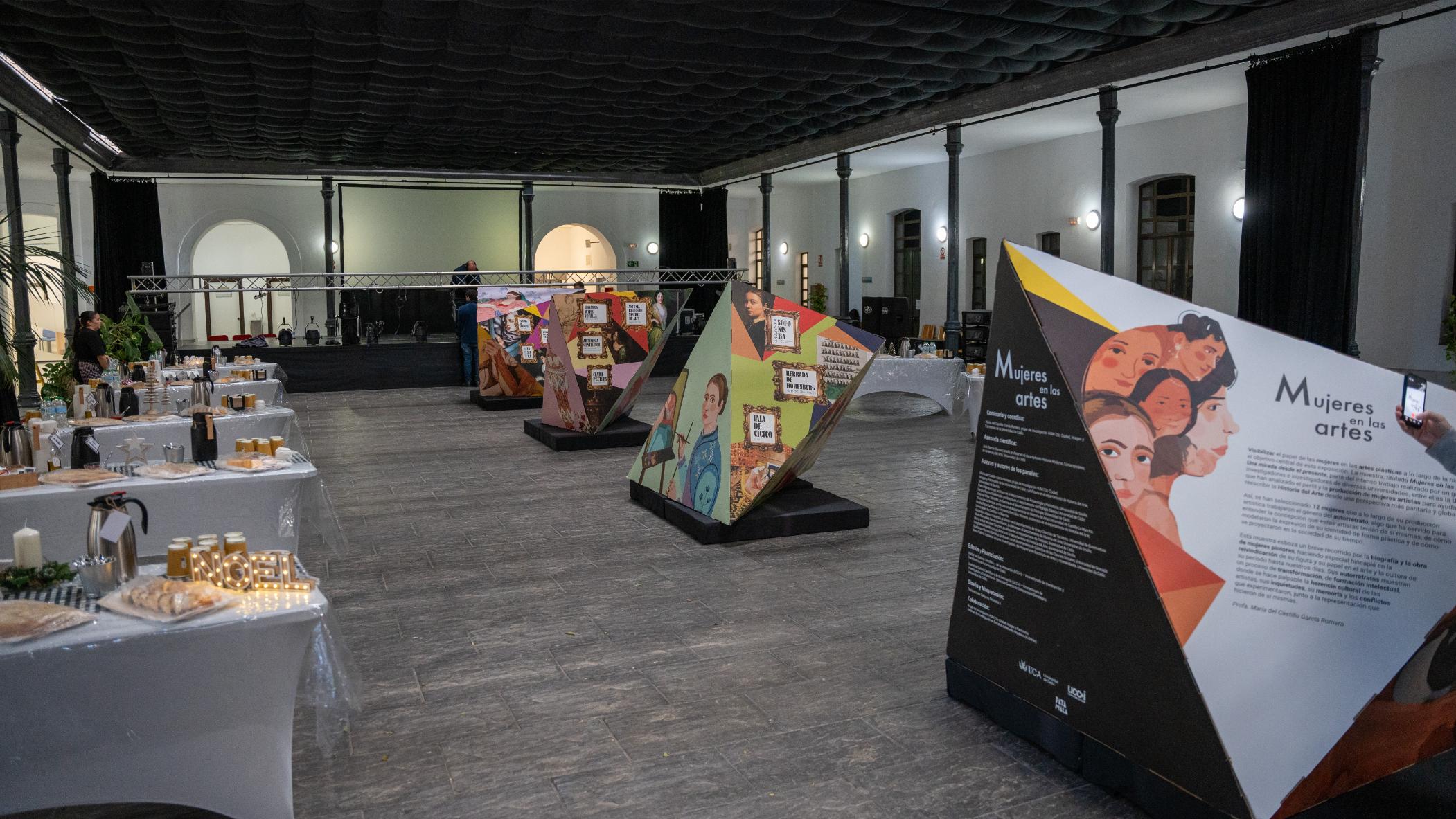
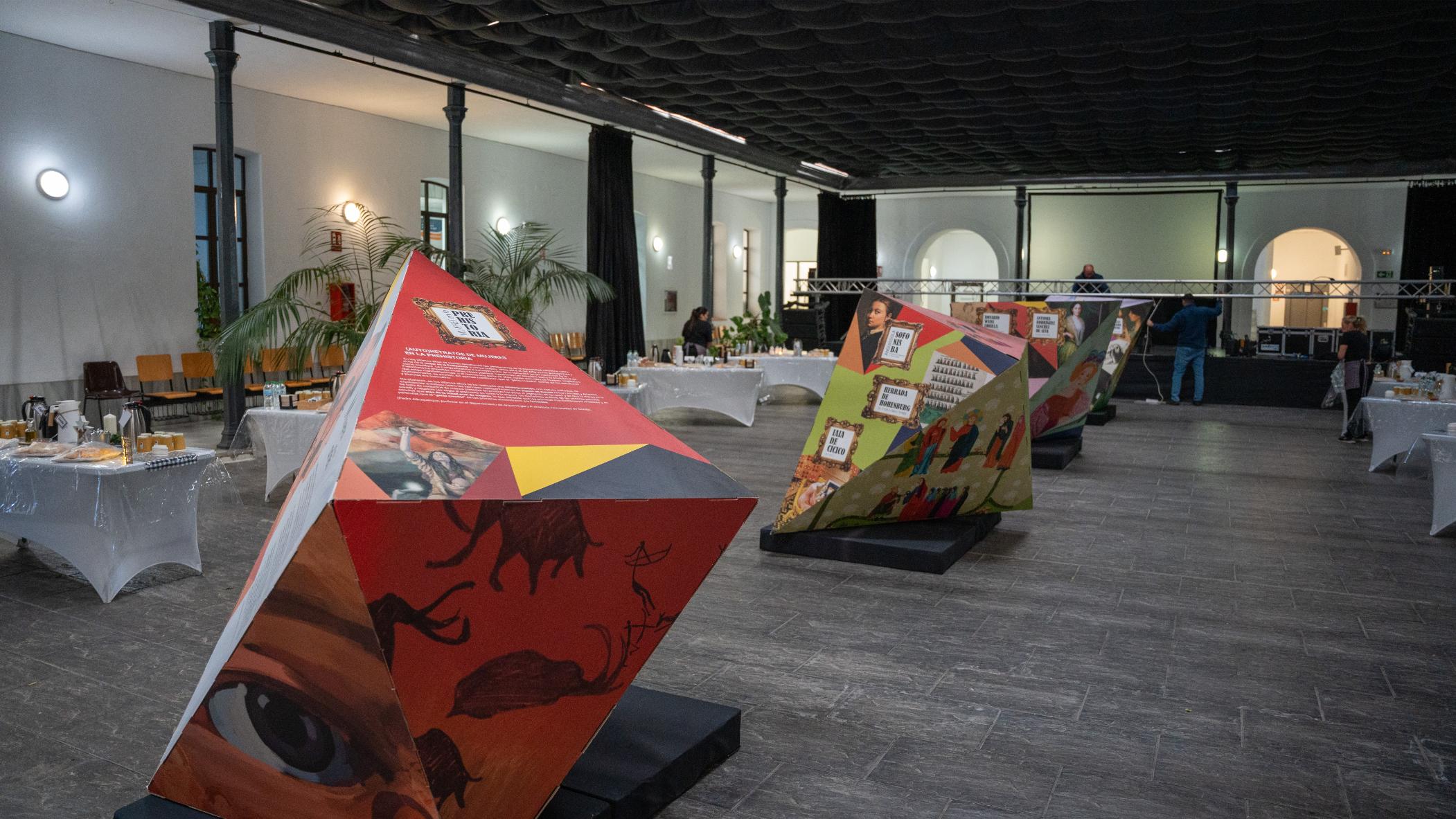
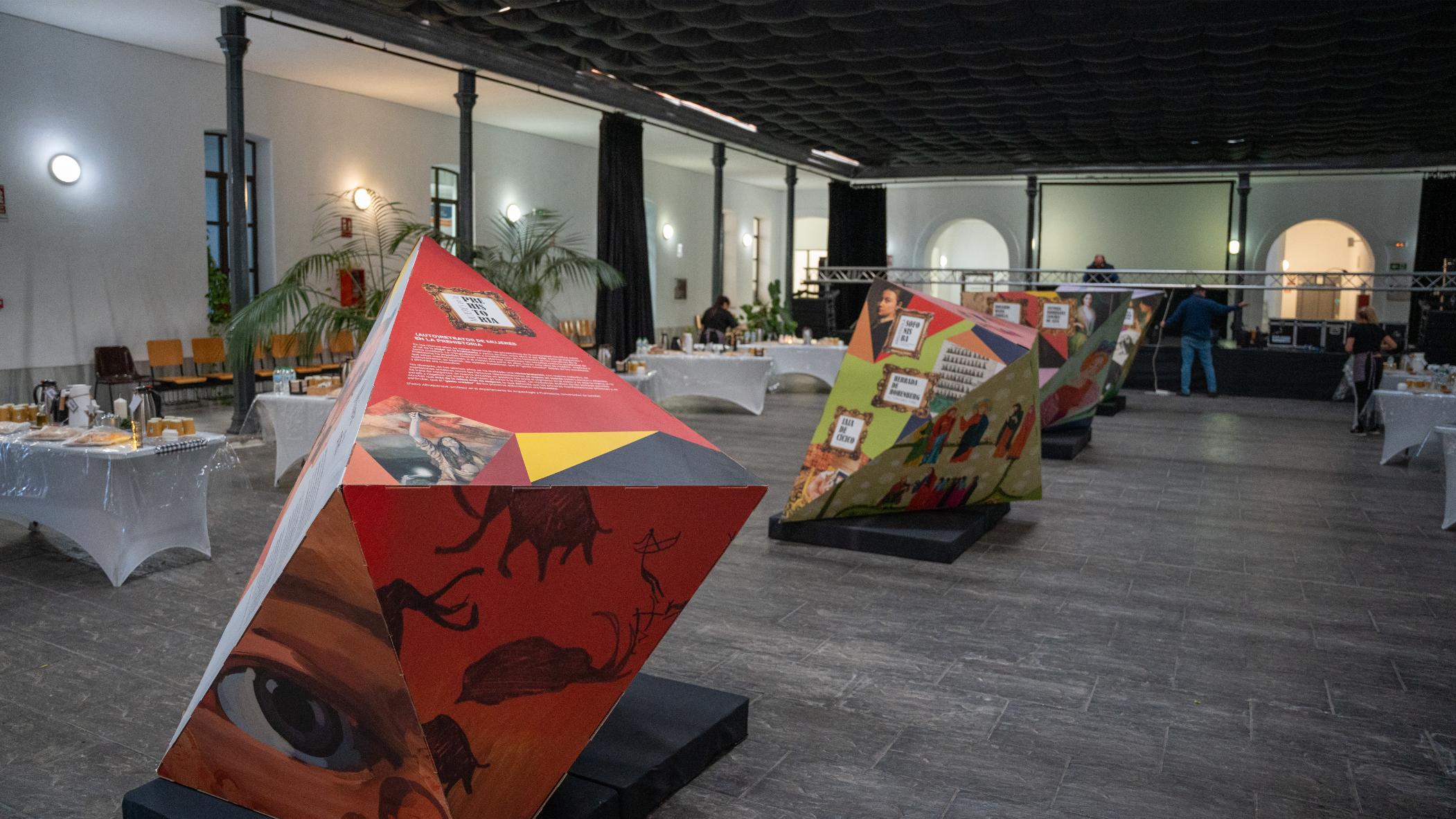
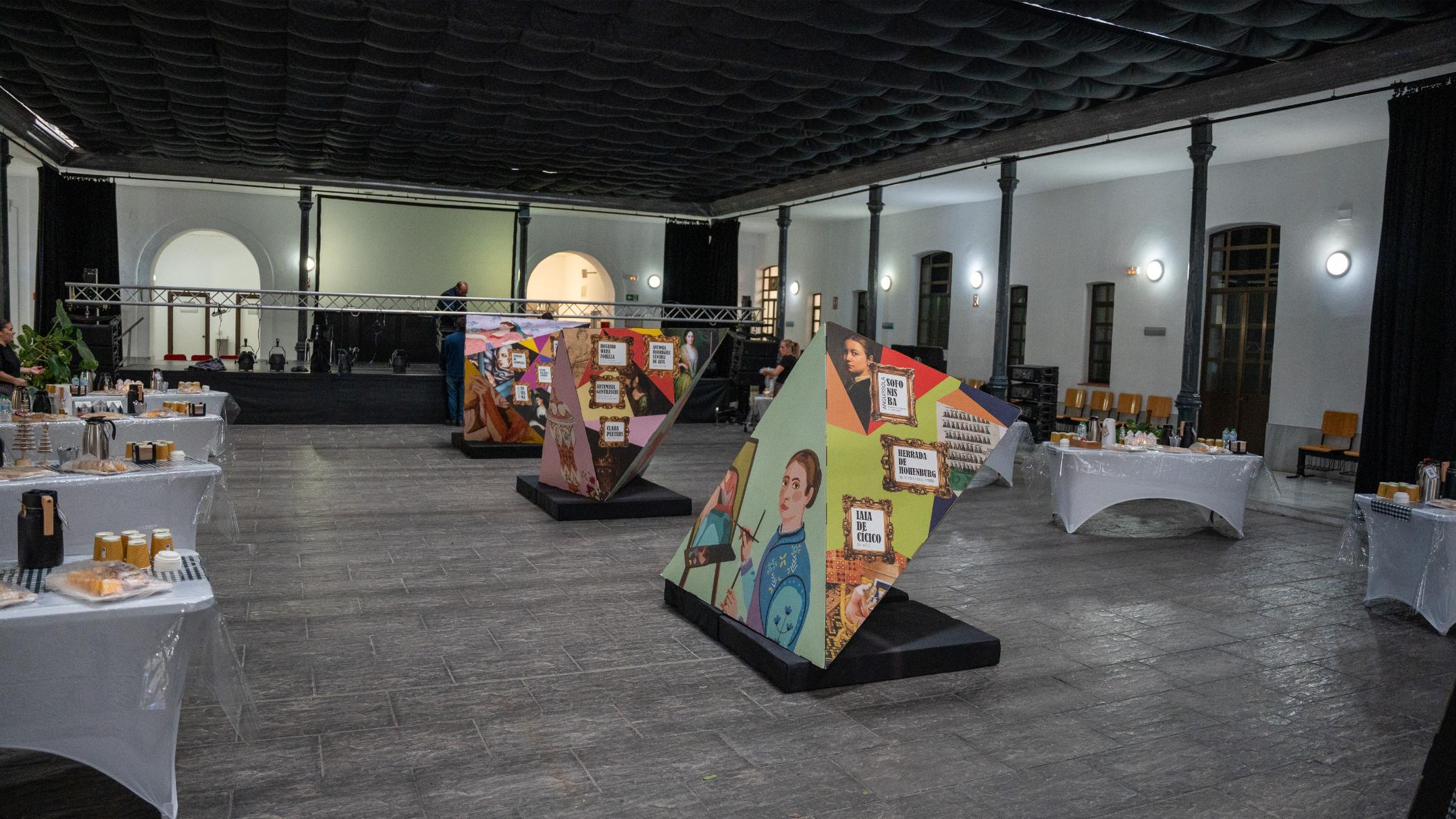
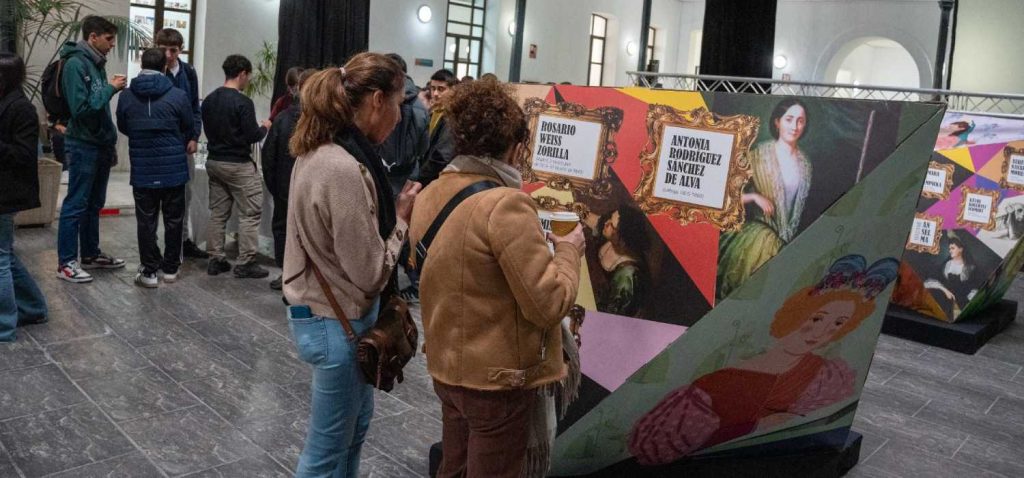
The event, organised by In-EMHis and the UCC+i, also marked the opening of the exhibition Women in the Arts, which presents the biographies of twelve female creators through their self-portraits
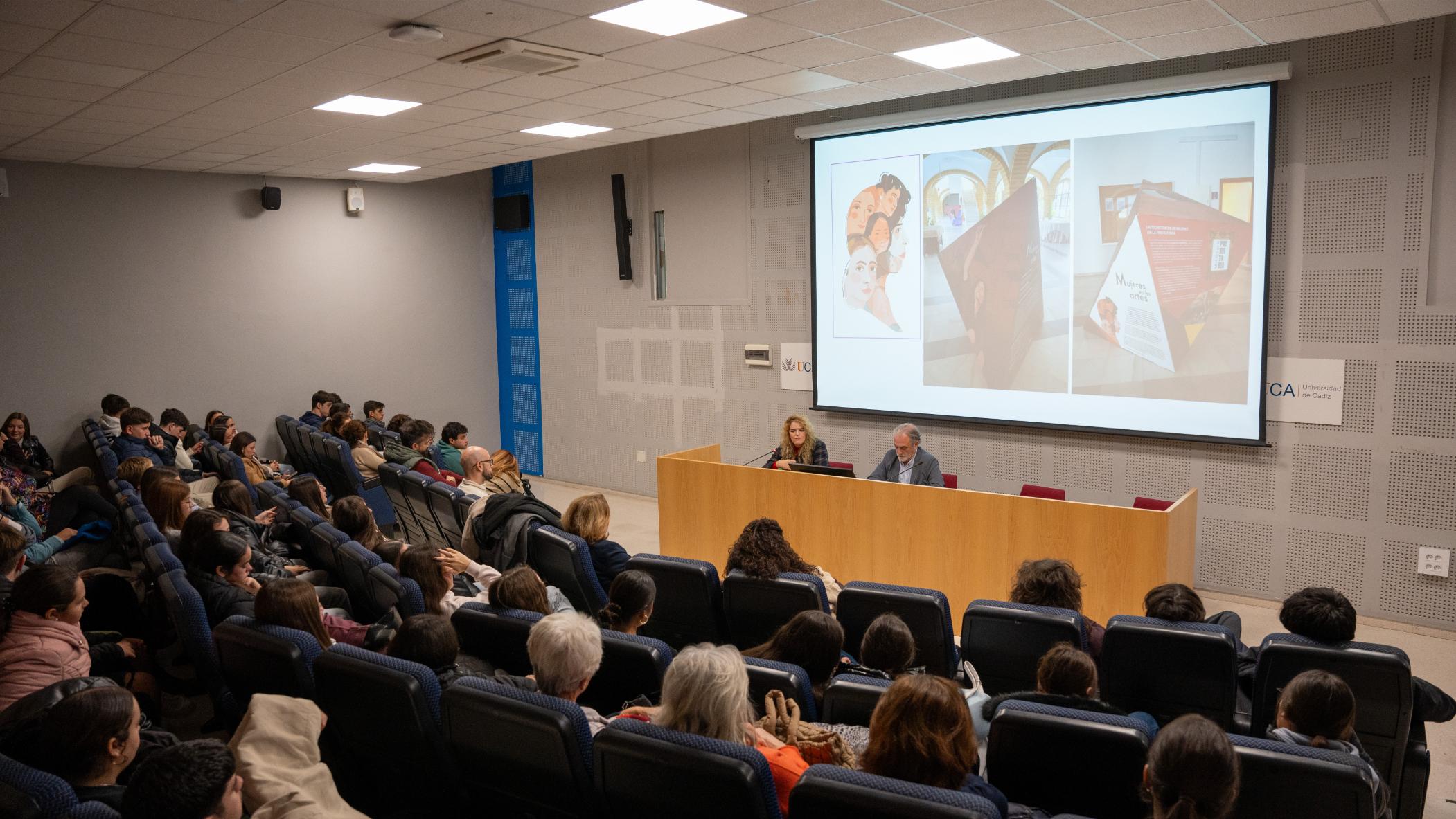
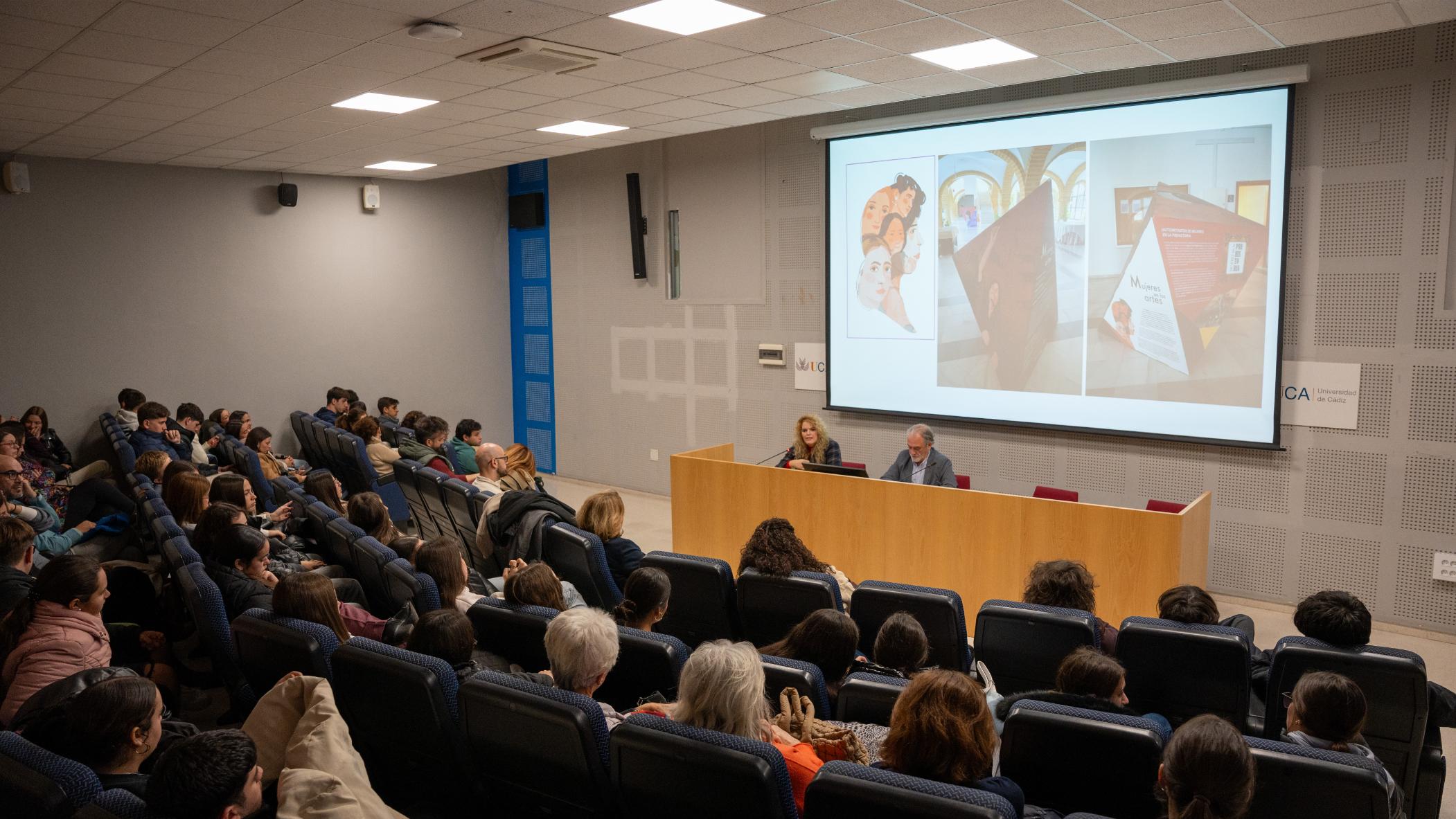
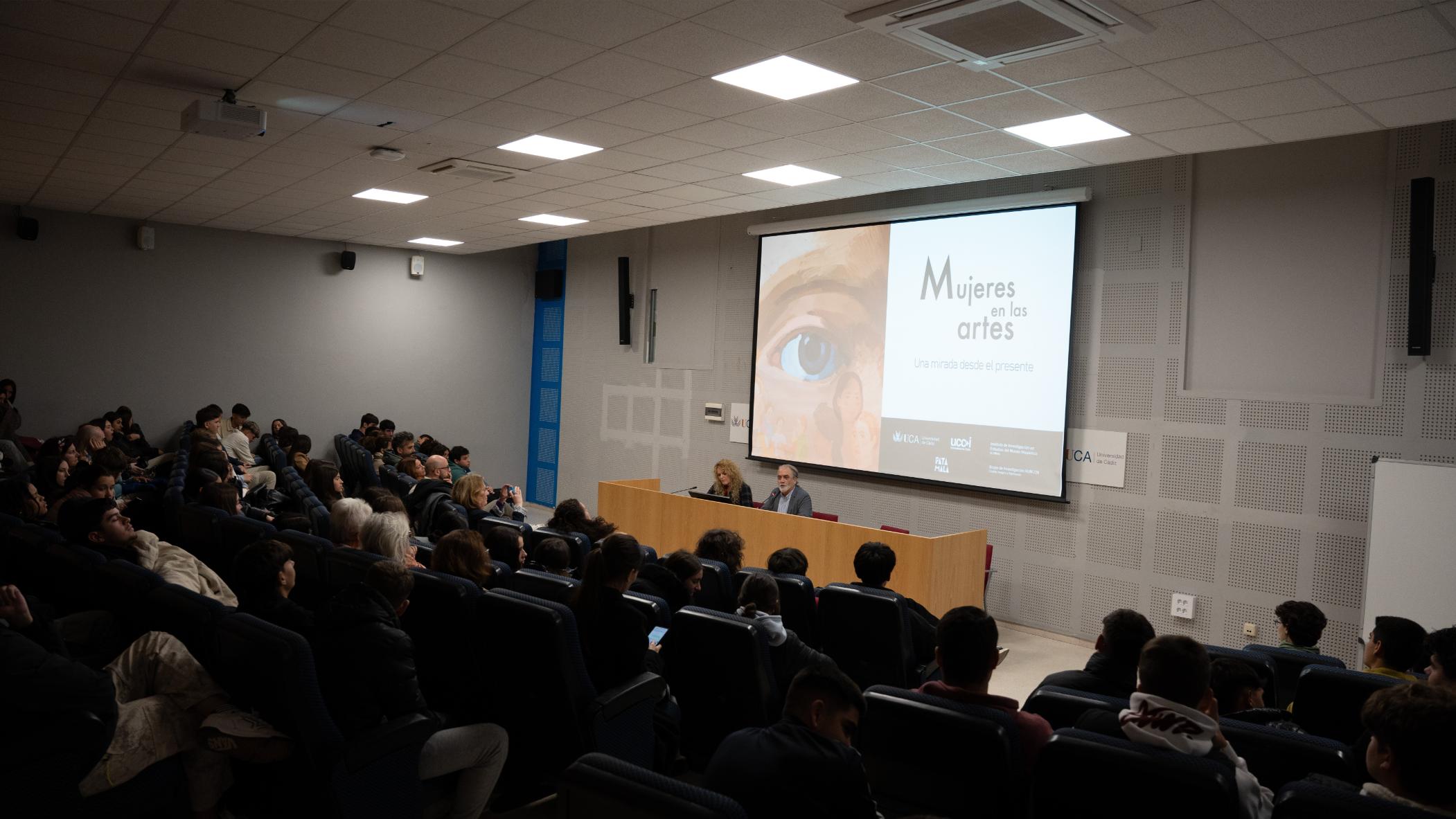
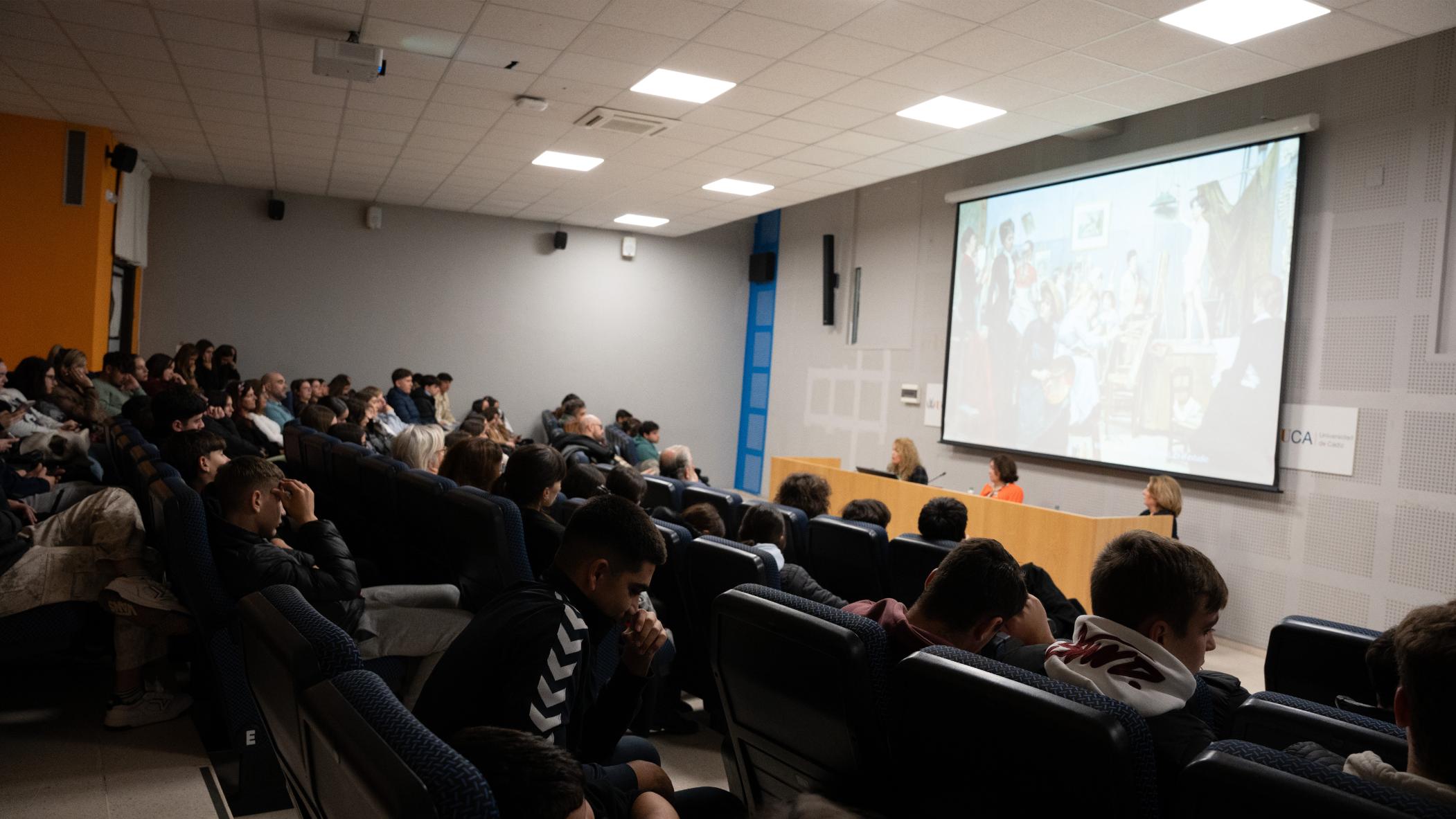
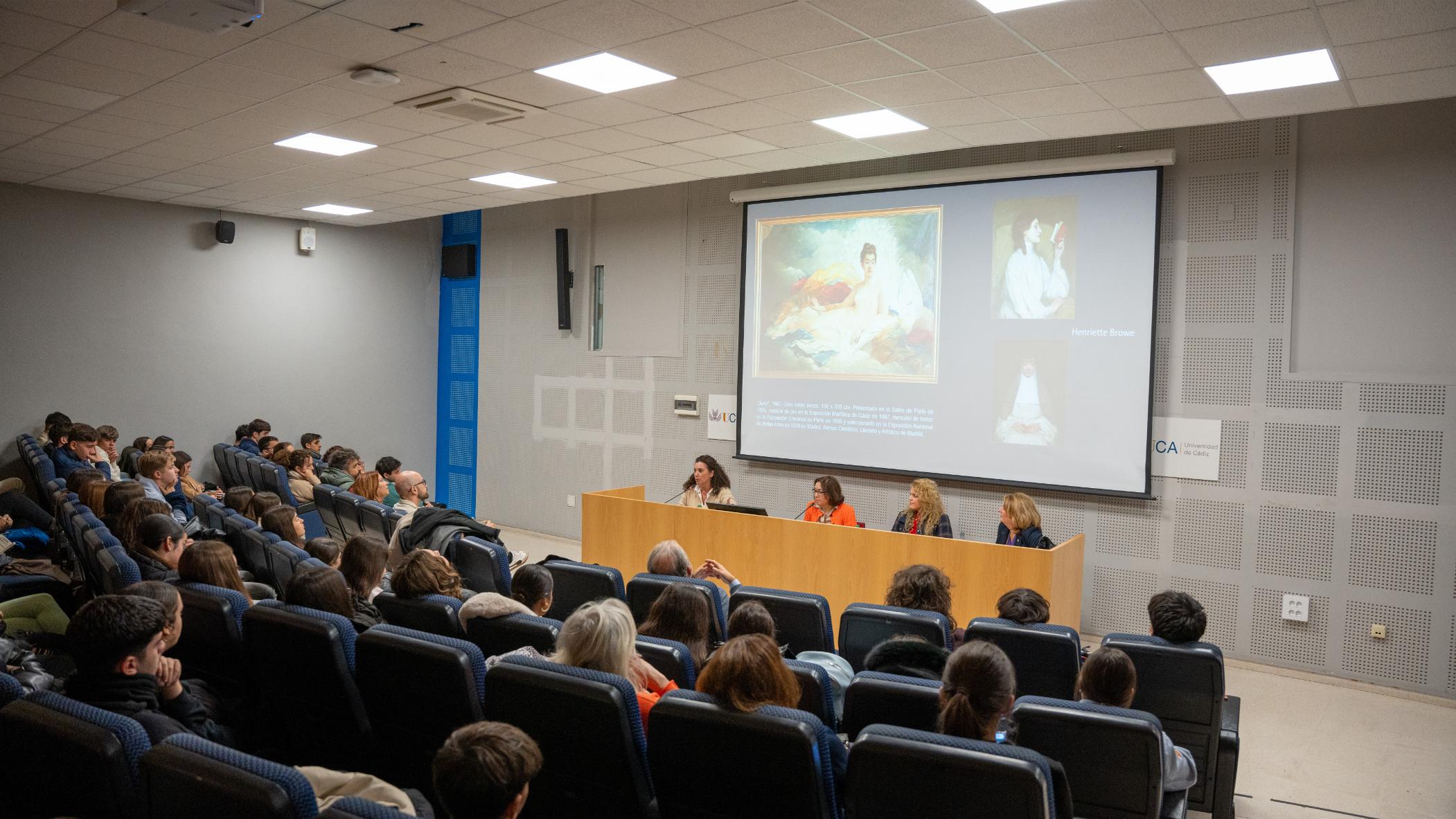
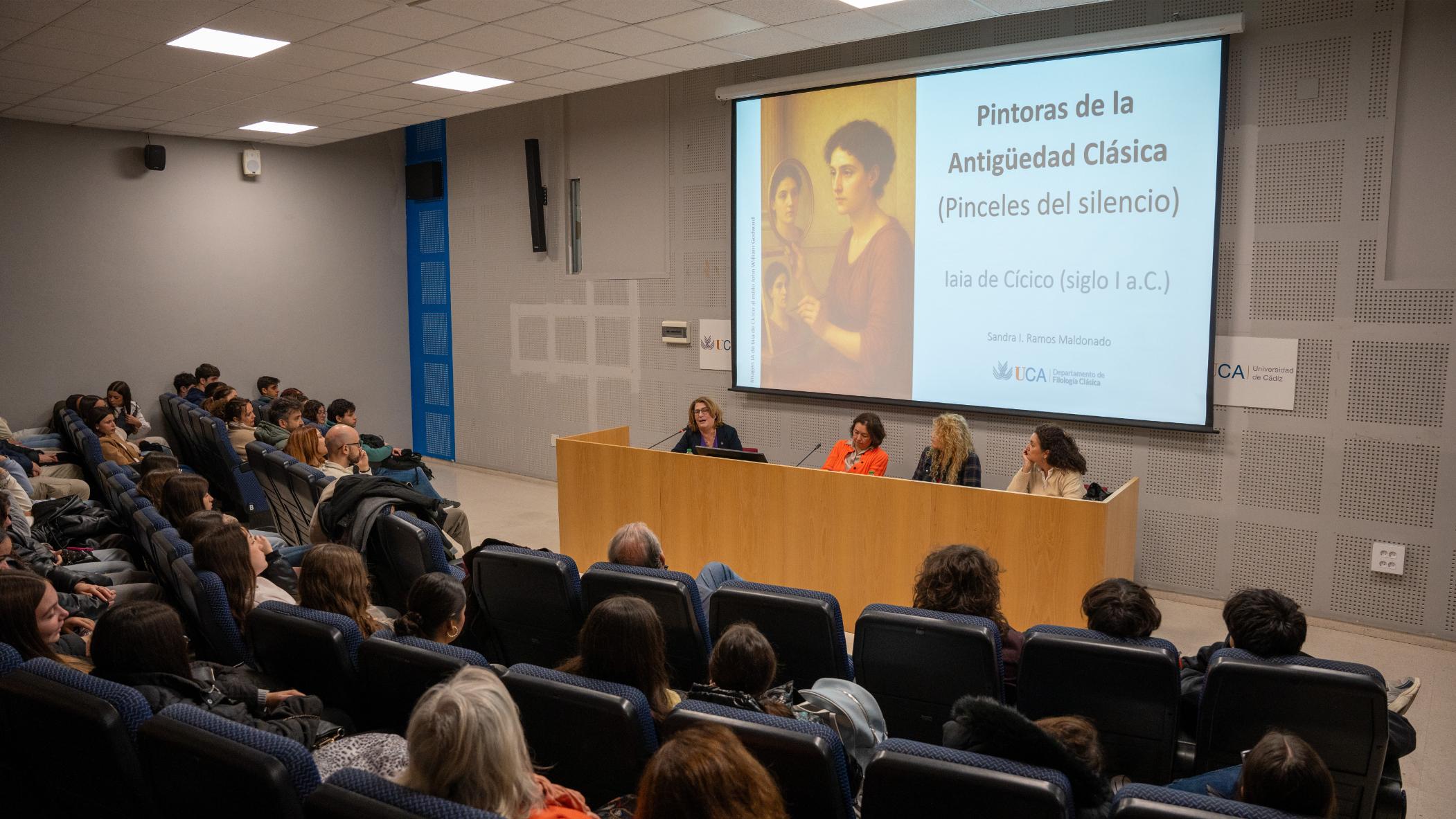
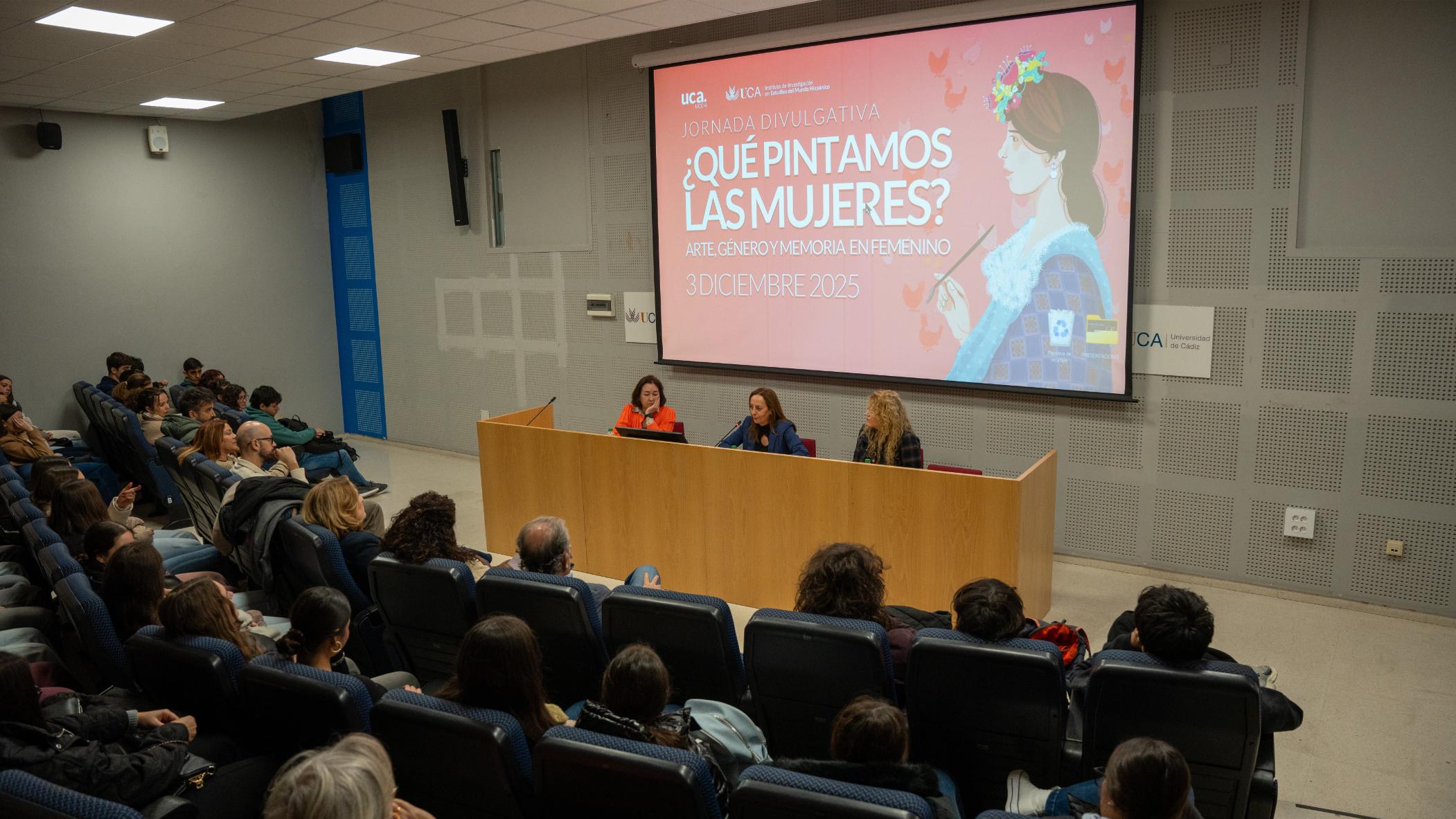
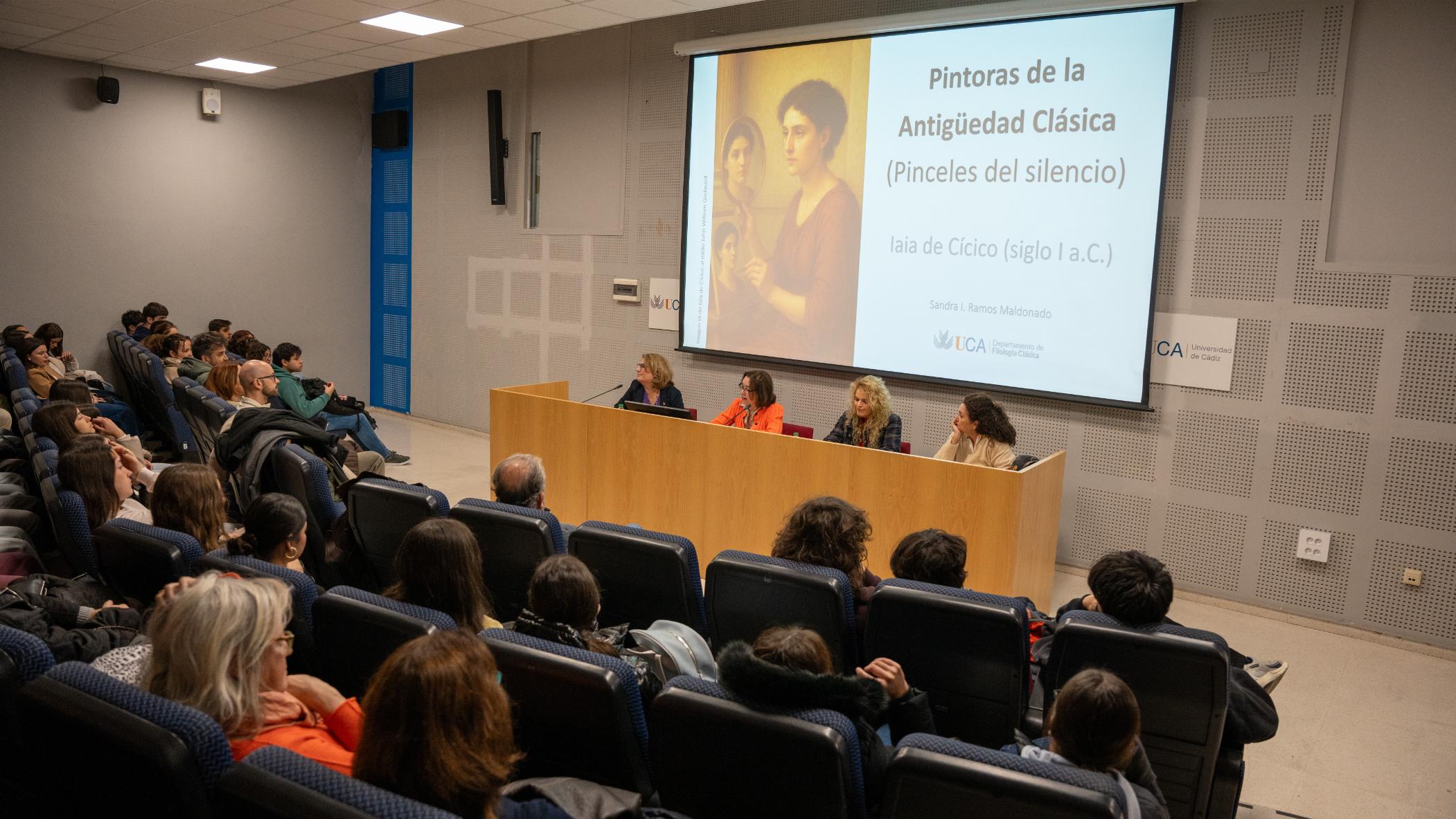
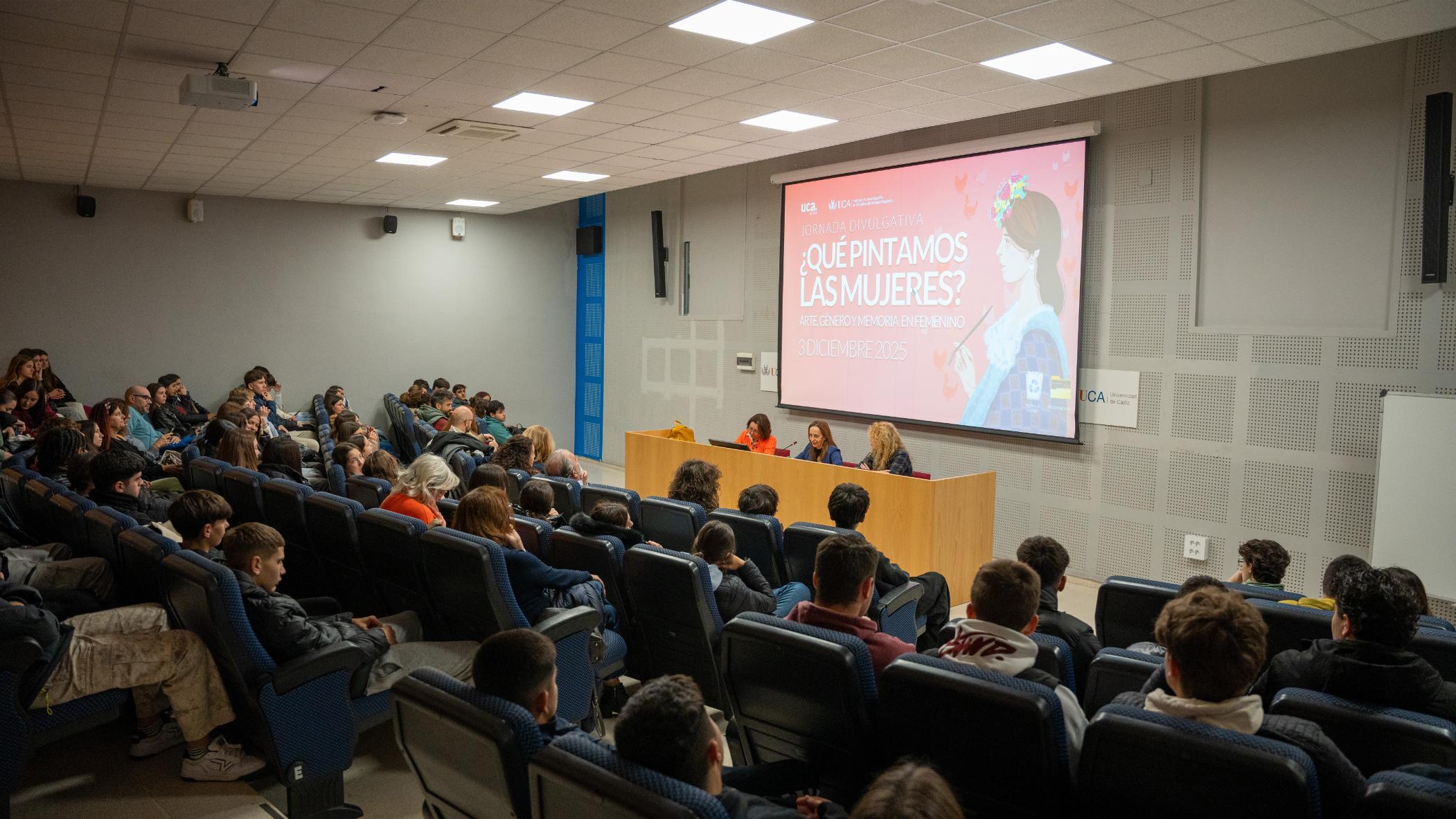
The University of Cádiz, through the Vice-Rectorate for Research and Knowledge Transfer, held this Wednesday at the Constitution 1812 Building the outreach jornadas What Do Women Paint? Art, Gender and Memory in the Feminine. The event brought together 110 Secondary and Baccalaureate students from four schools across the province, with the aim of fostering critical thinking and reflecting on the historical invisibilisation of women in artistic production.
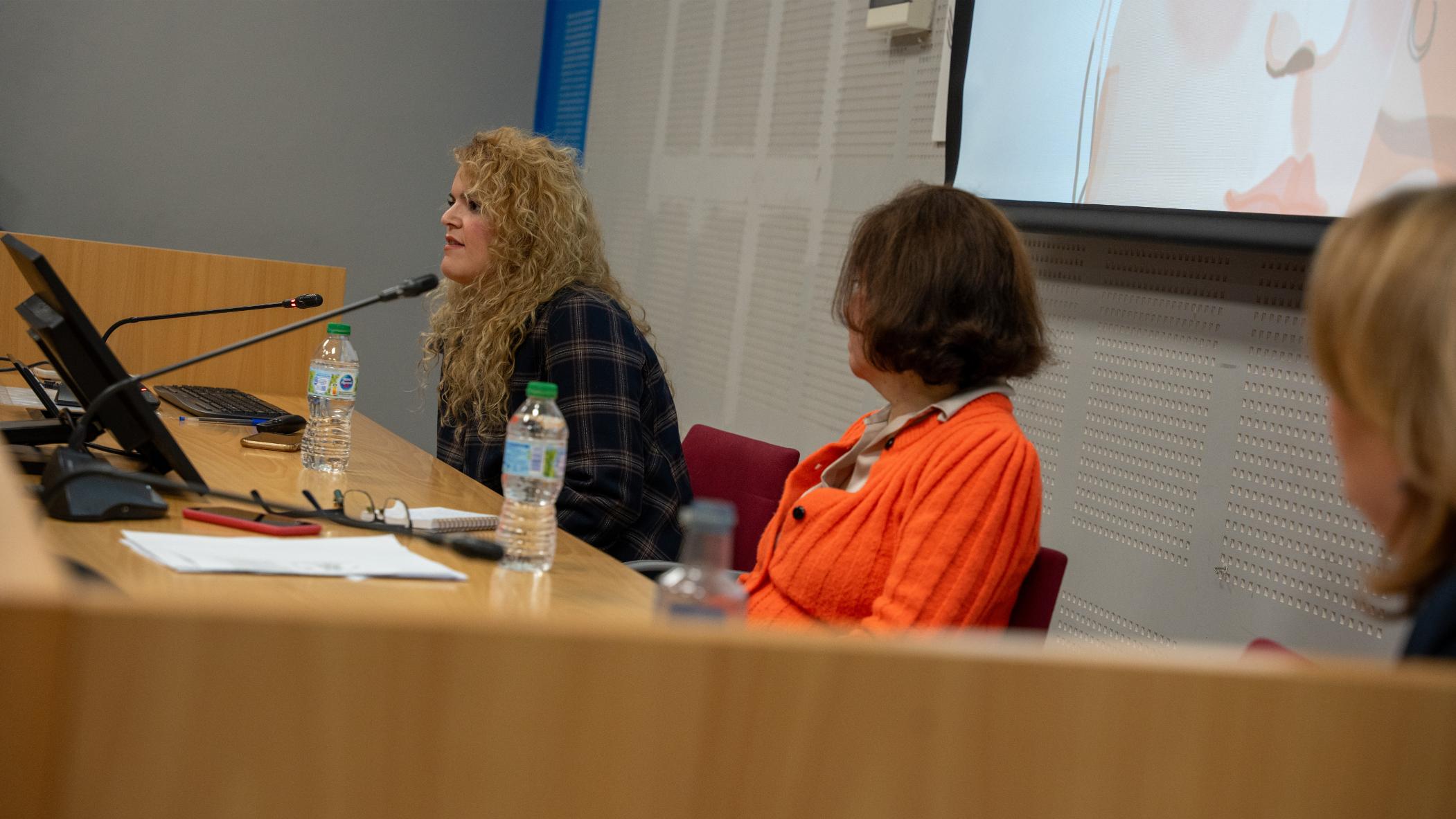
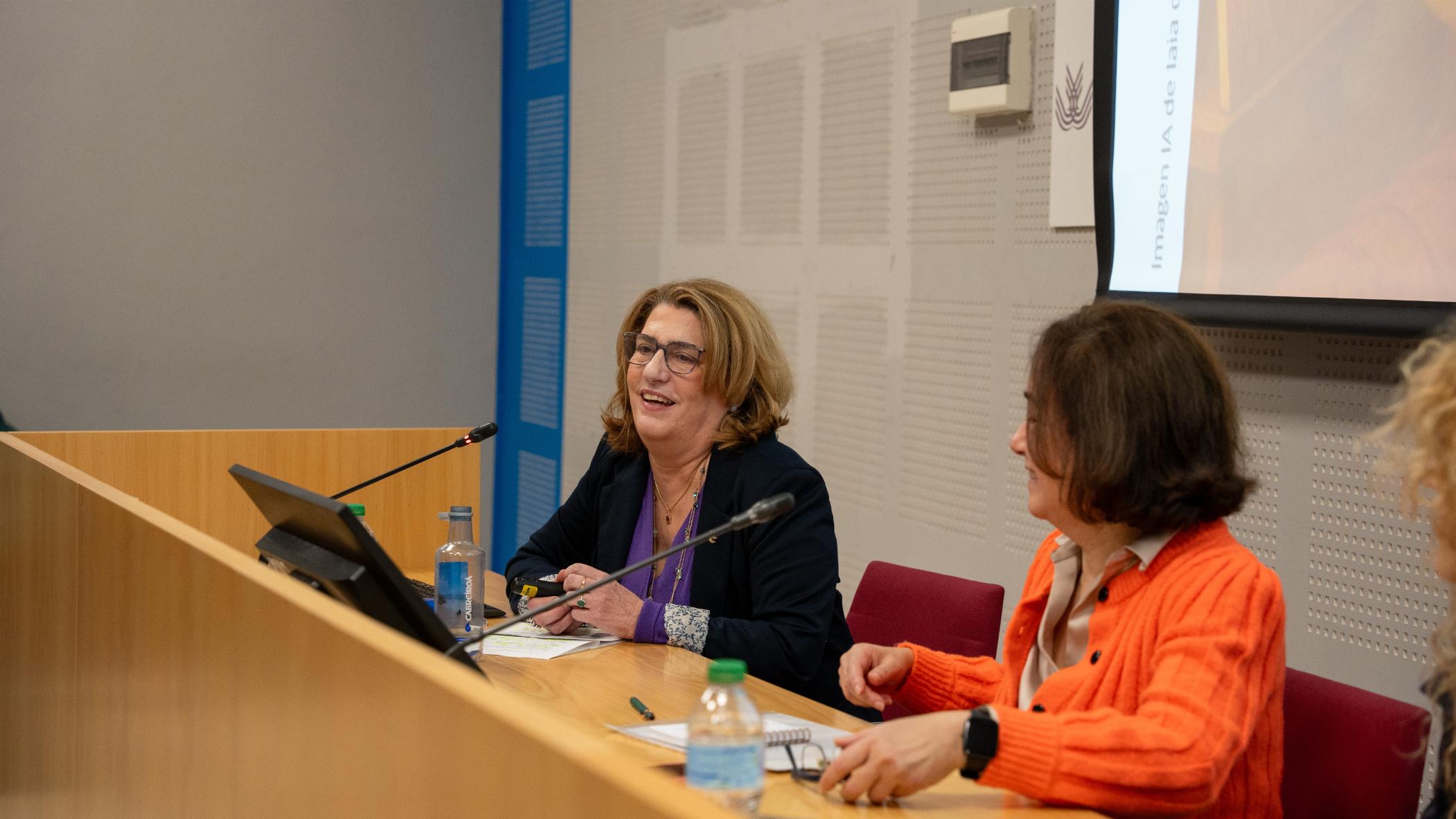
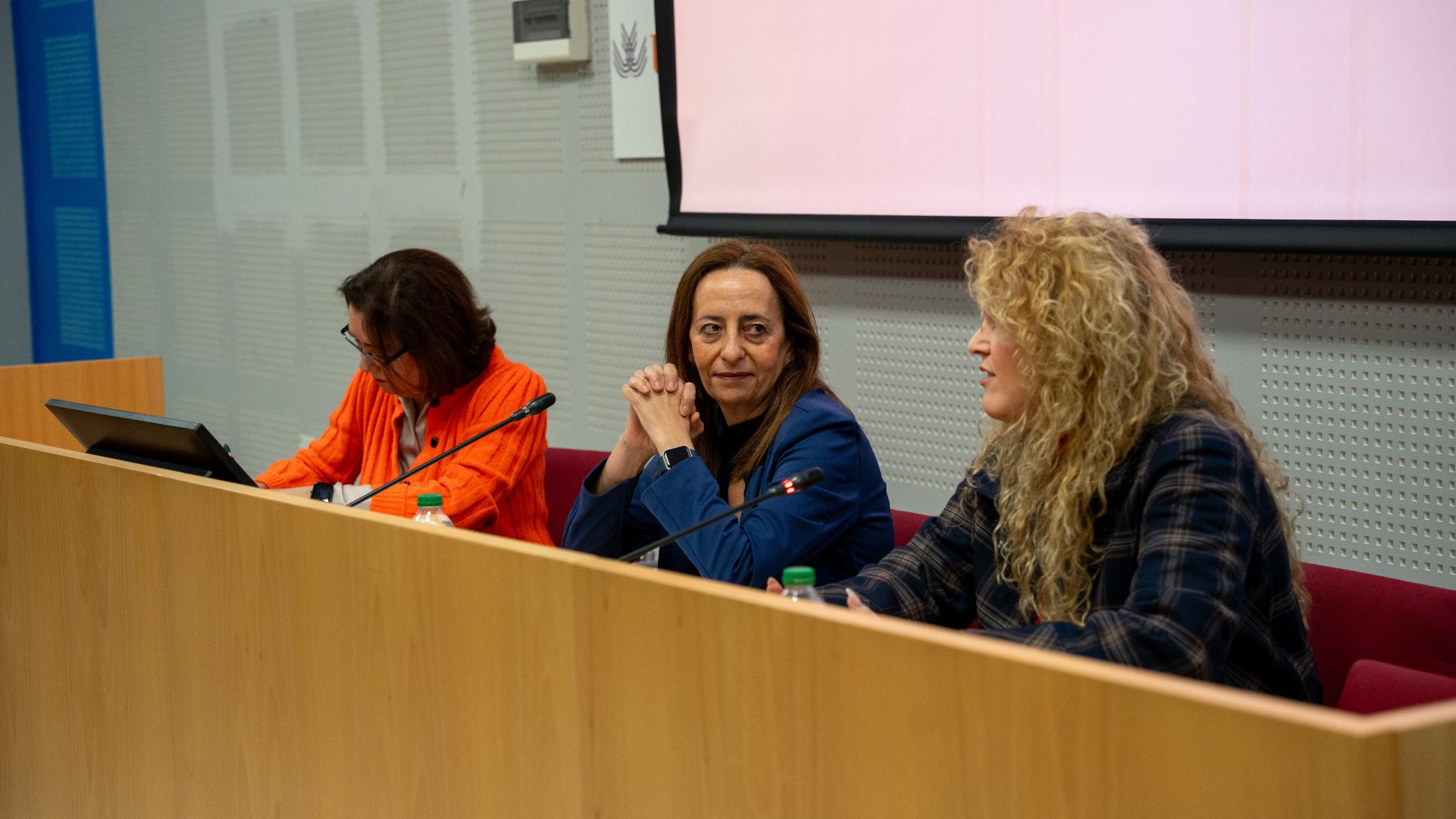
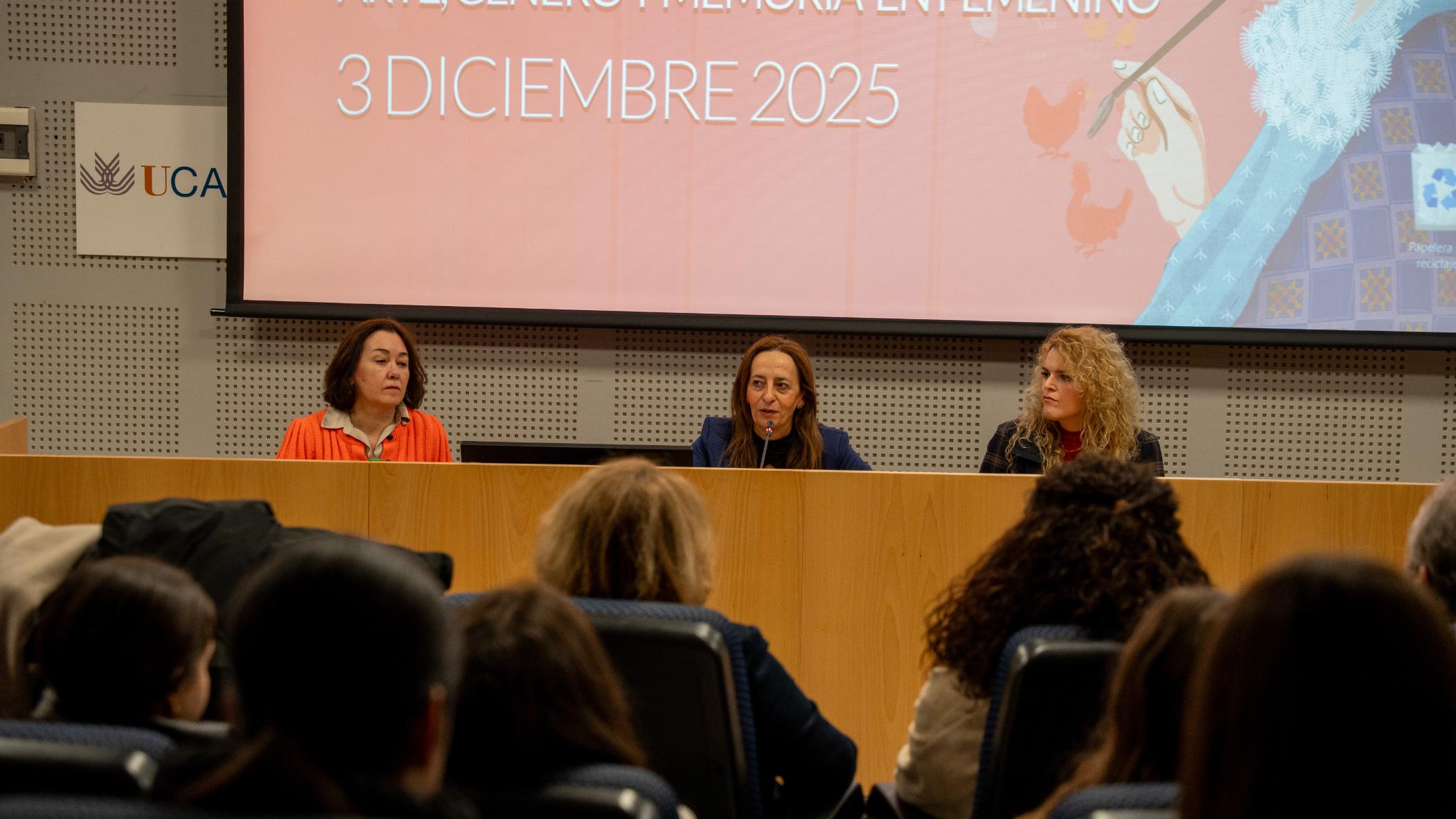
The session was inaugurated by the UCA’s Vice-Rector for Research and Knowledge Transfer, María Jesús Ortega, accompanied by Marieta Cantos, Director of the Research Institute on Studies of the Hispanic World (In-EMHis), and María del Castillo García, researcher and scientific coordinator of the exhibition Women in the Arts, which served as the starting point for the day. Throughout the event, the Vice-Rector stressed the importance of “completing history with academic rigour and fairness,” emphasising that initiatives such as this one help bring university-generated knowledge directly to younger generations.
It is important to highlight that this activity is a joint initiative of the Research Institute on Studies of the Hispanic World (In-EMHis) and the Unit for Scientific Culture and Innovation (UCC+i), and forms part of the actions included in the 2023–2024 Science and Knowledge Outreach Plan of the University of Cádiz.
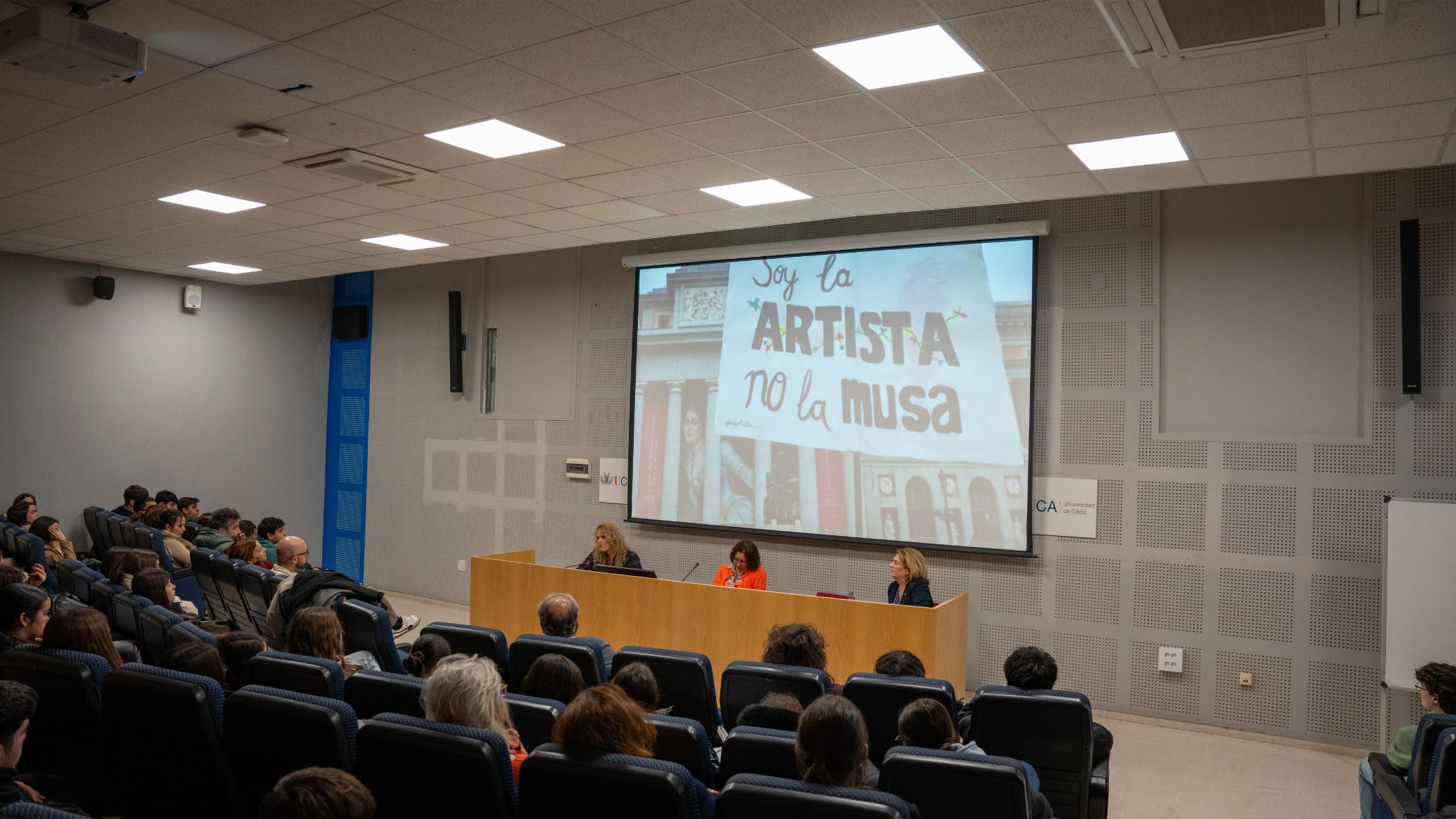
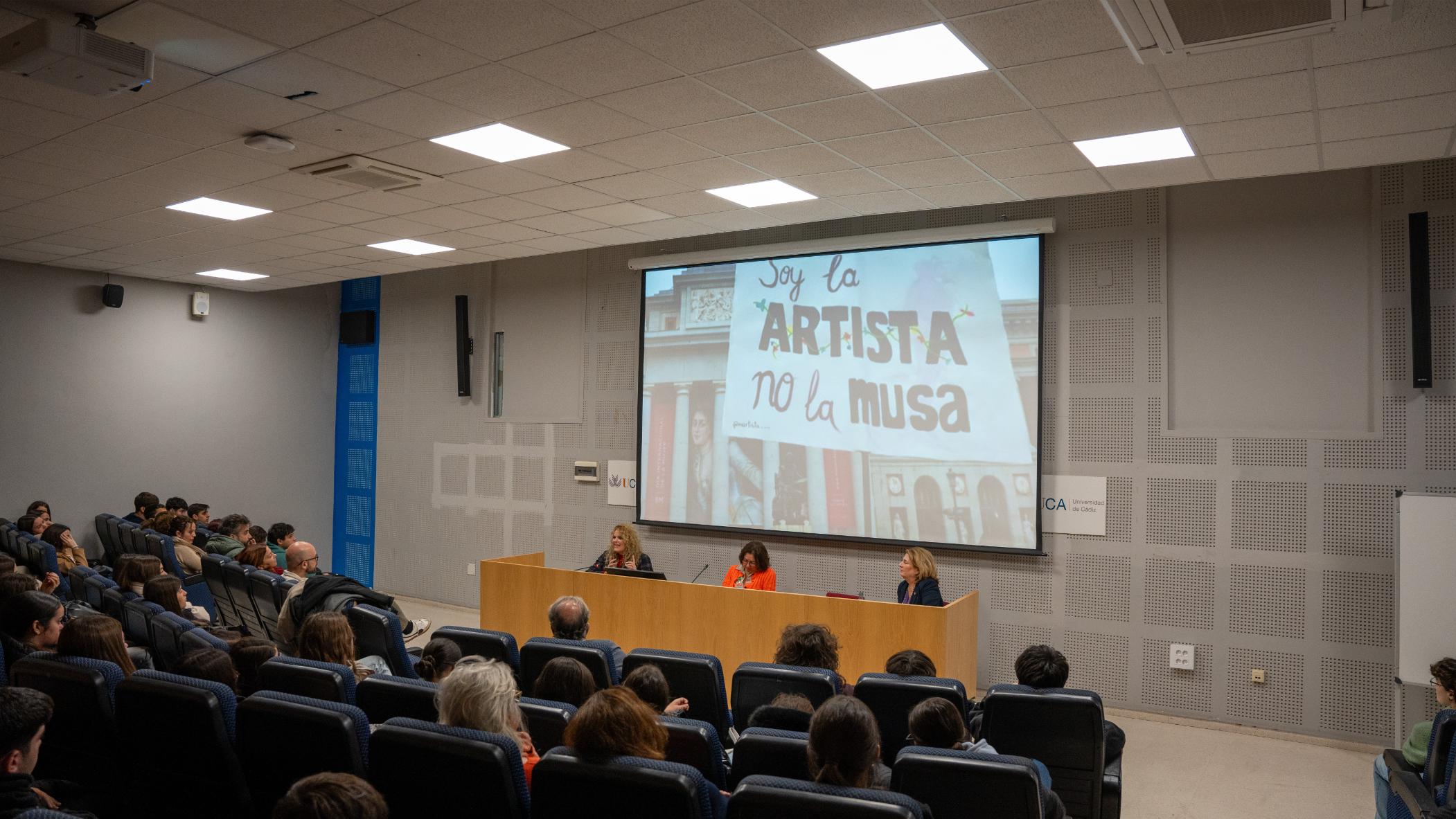
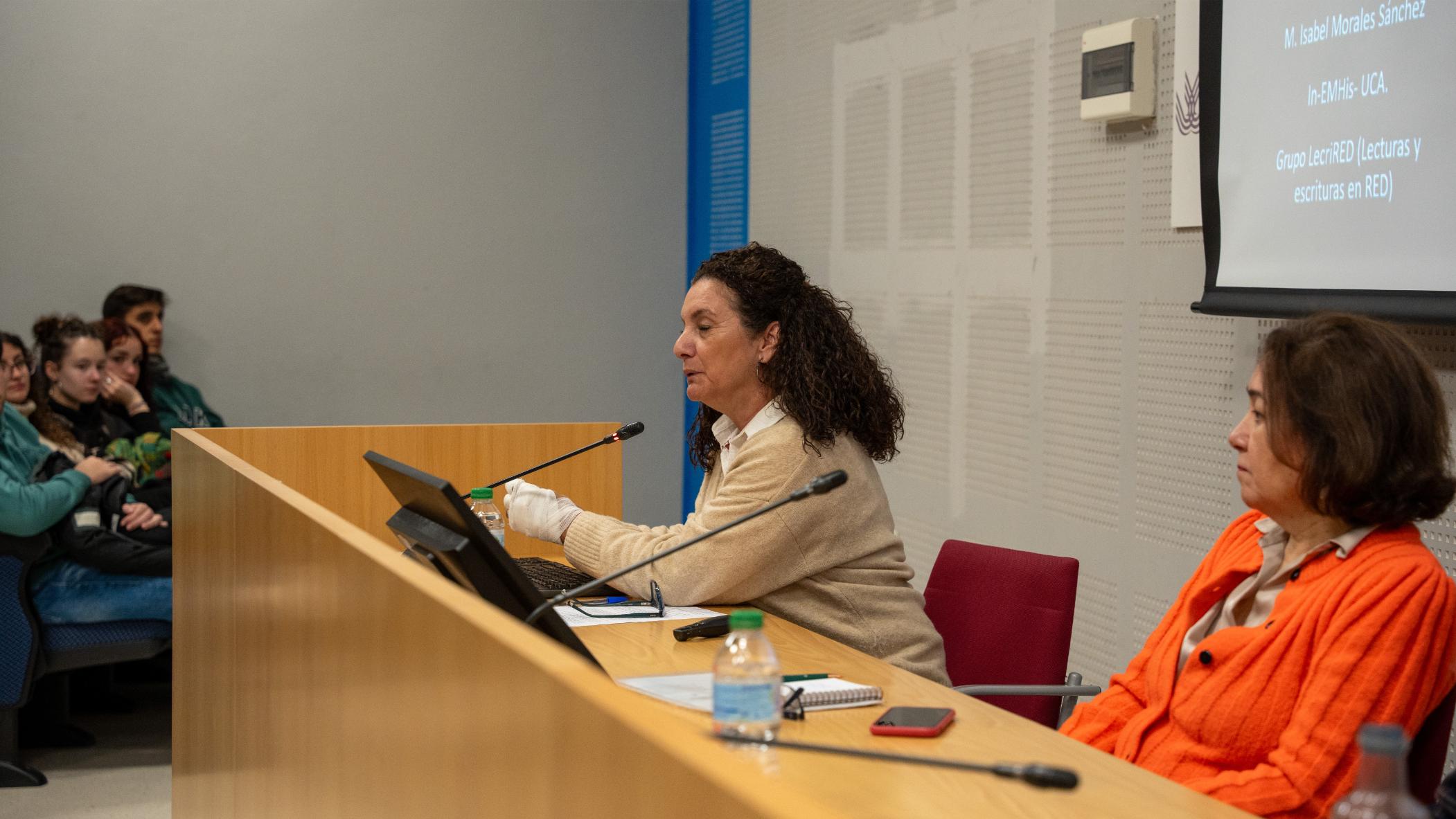
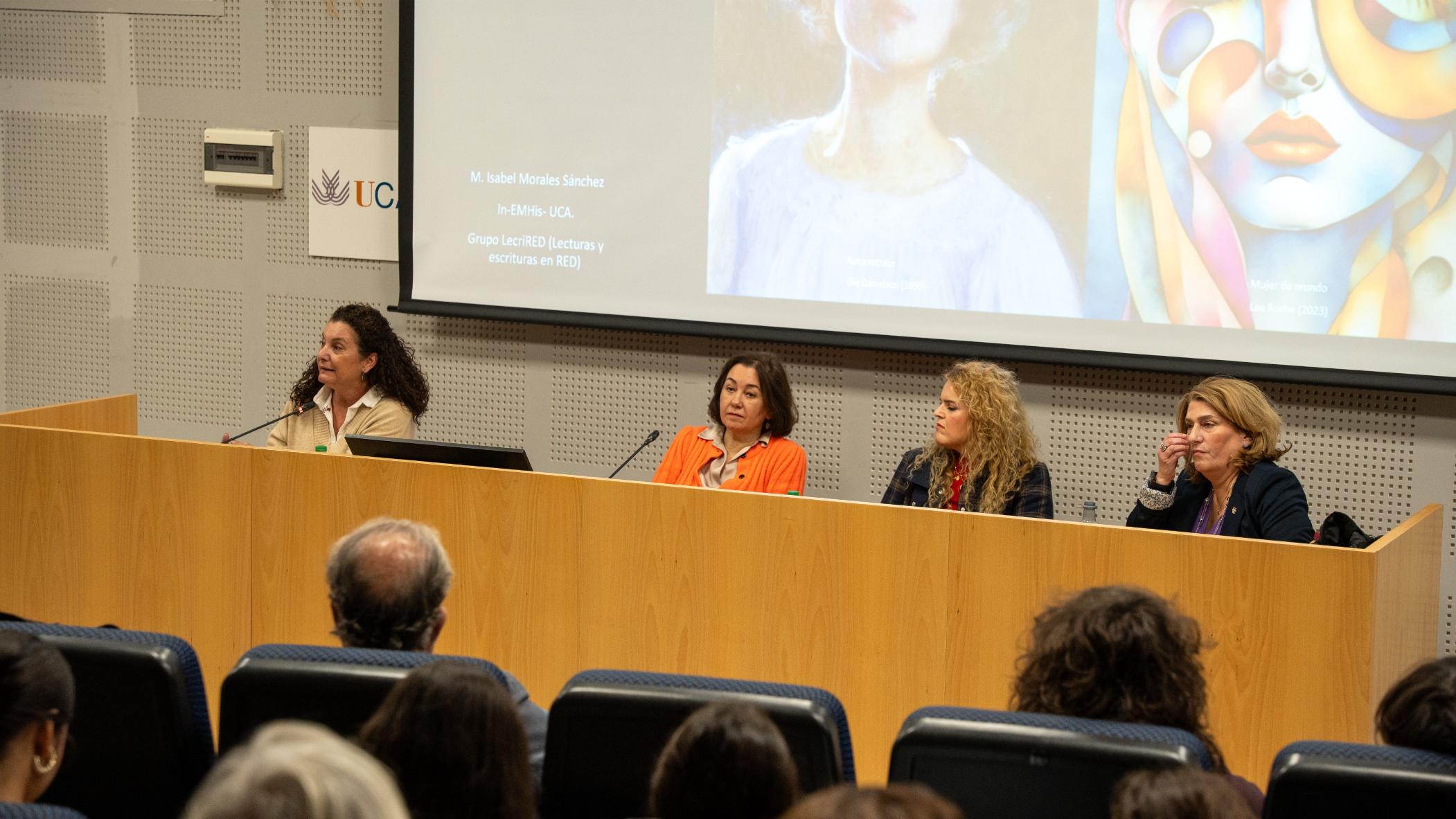
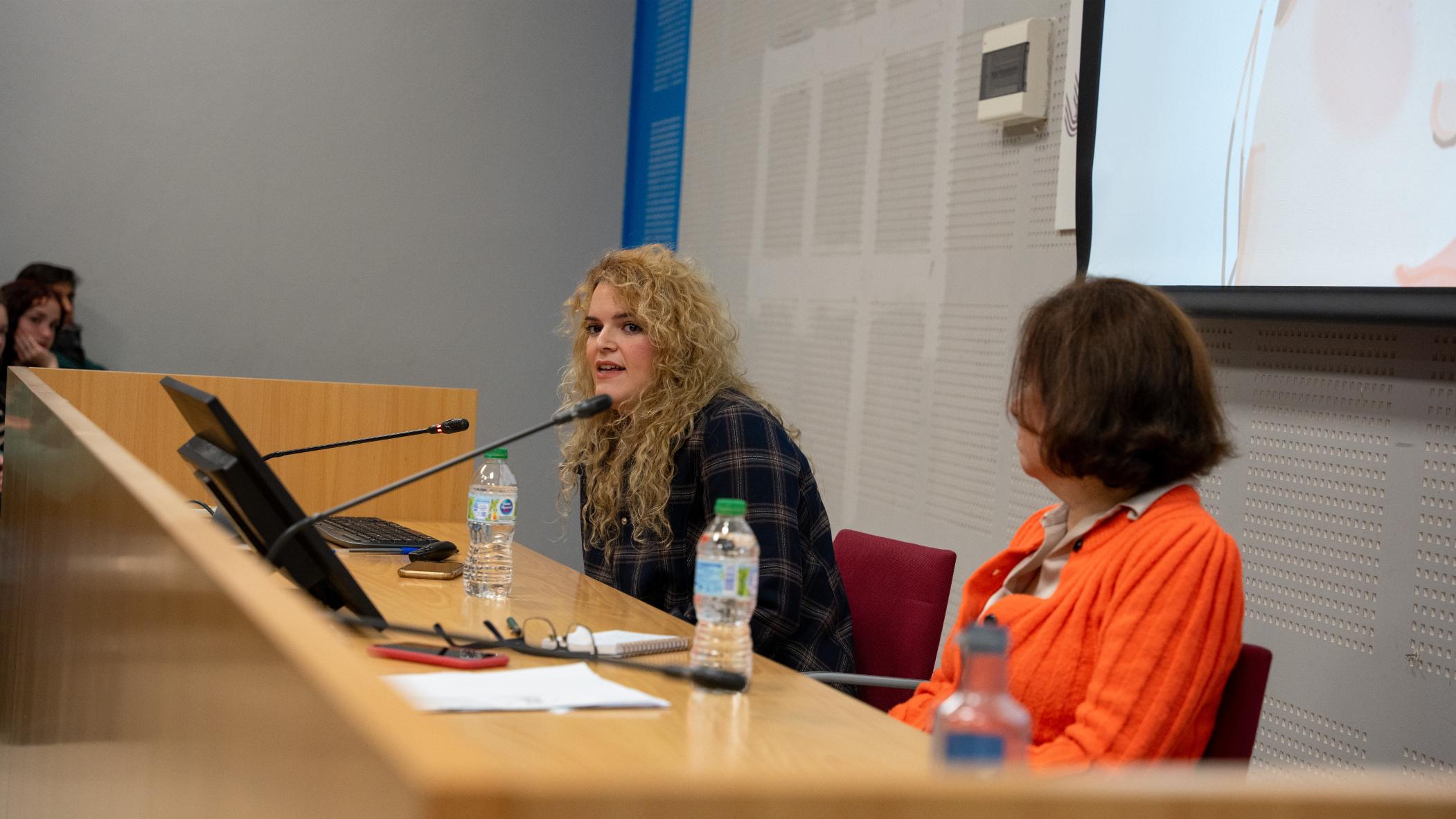
The round table and discussion held during the event was moderated by Professor Marieta Cantos, Director of In-EMHis, and featured contributions from researchers Sandra Ramos, María del Castillo García, and María Isabel Morales. The forum explored how traditional historiography has often relegated women to the role of muse or model, overlooking their position as active creators.
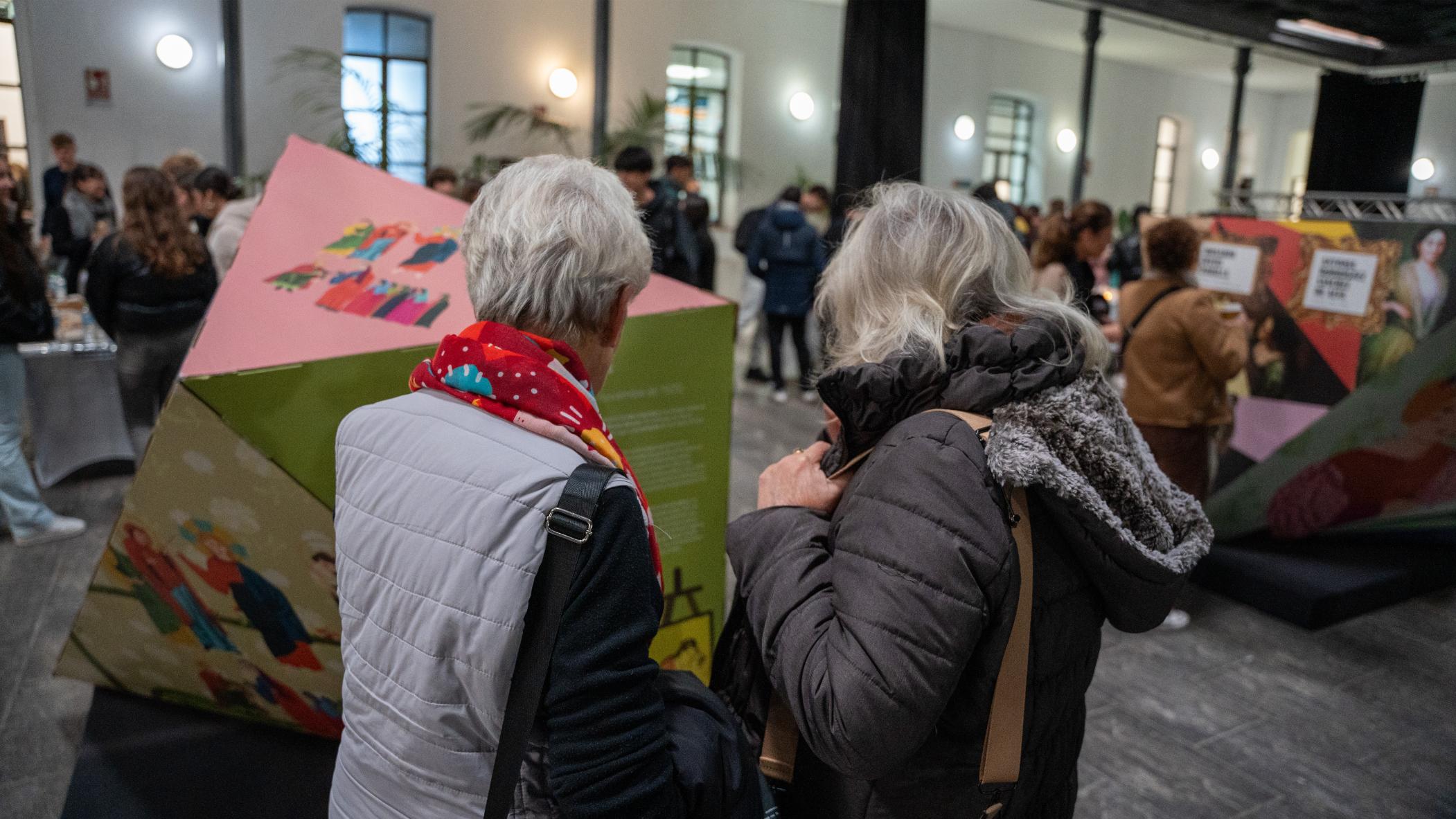
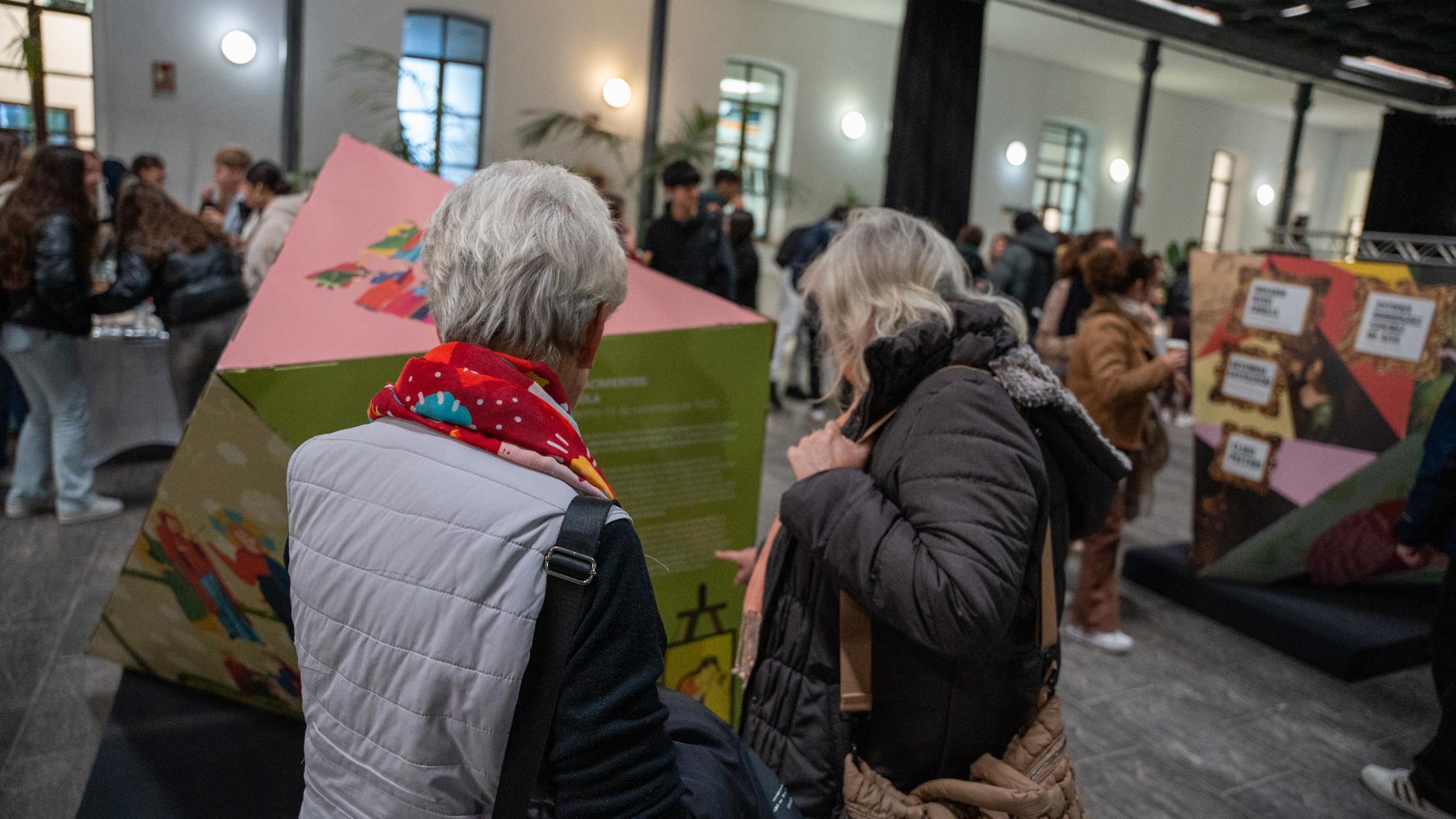
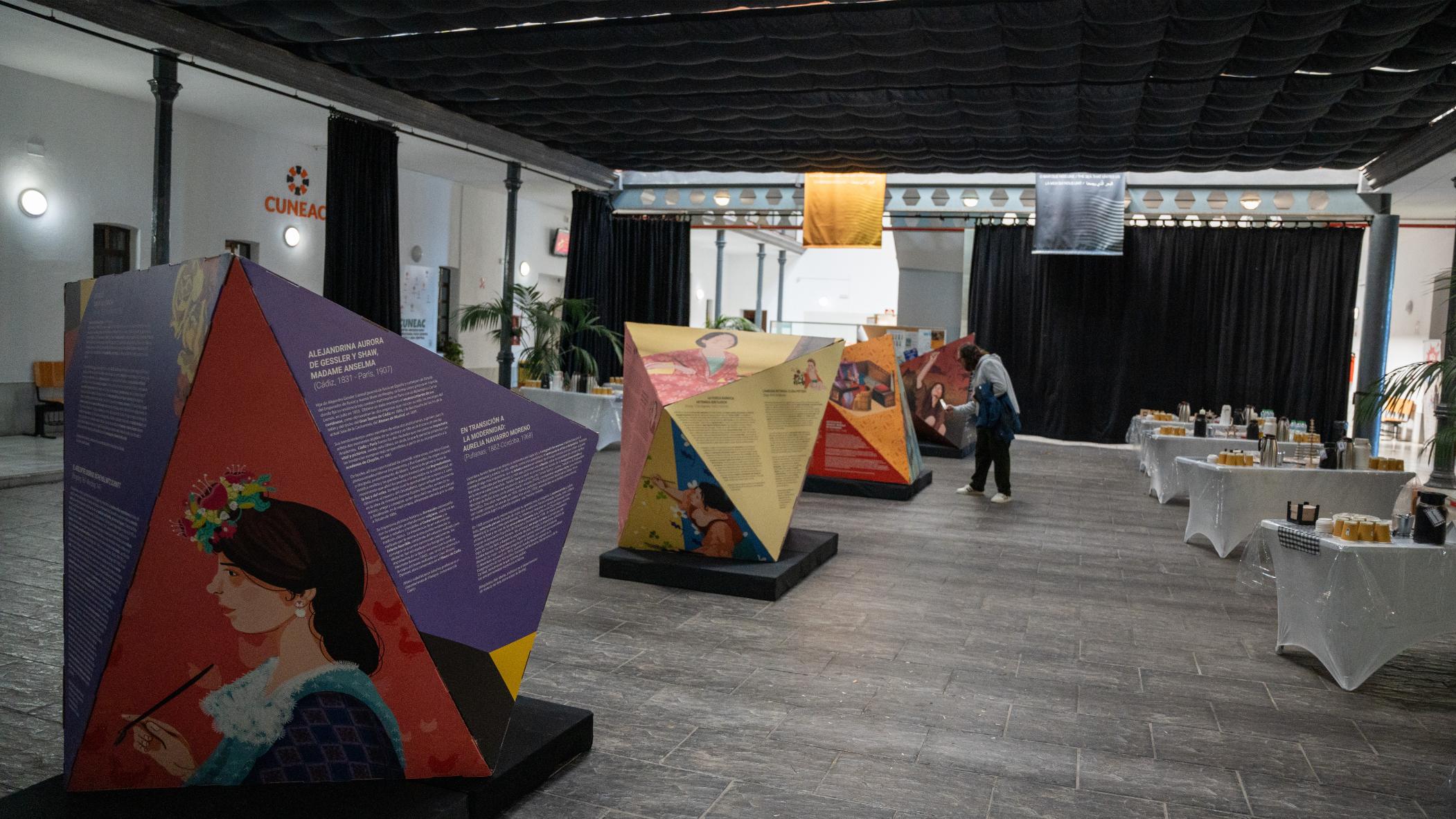
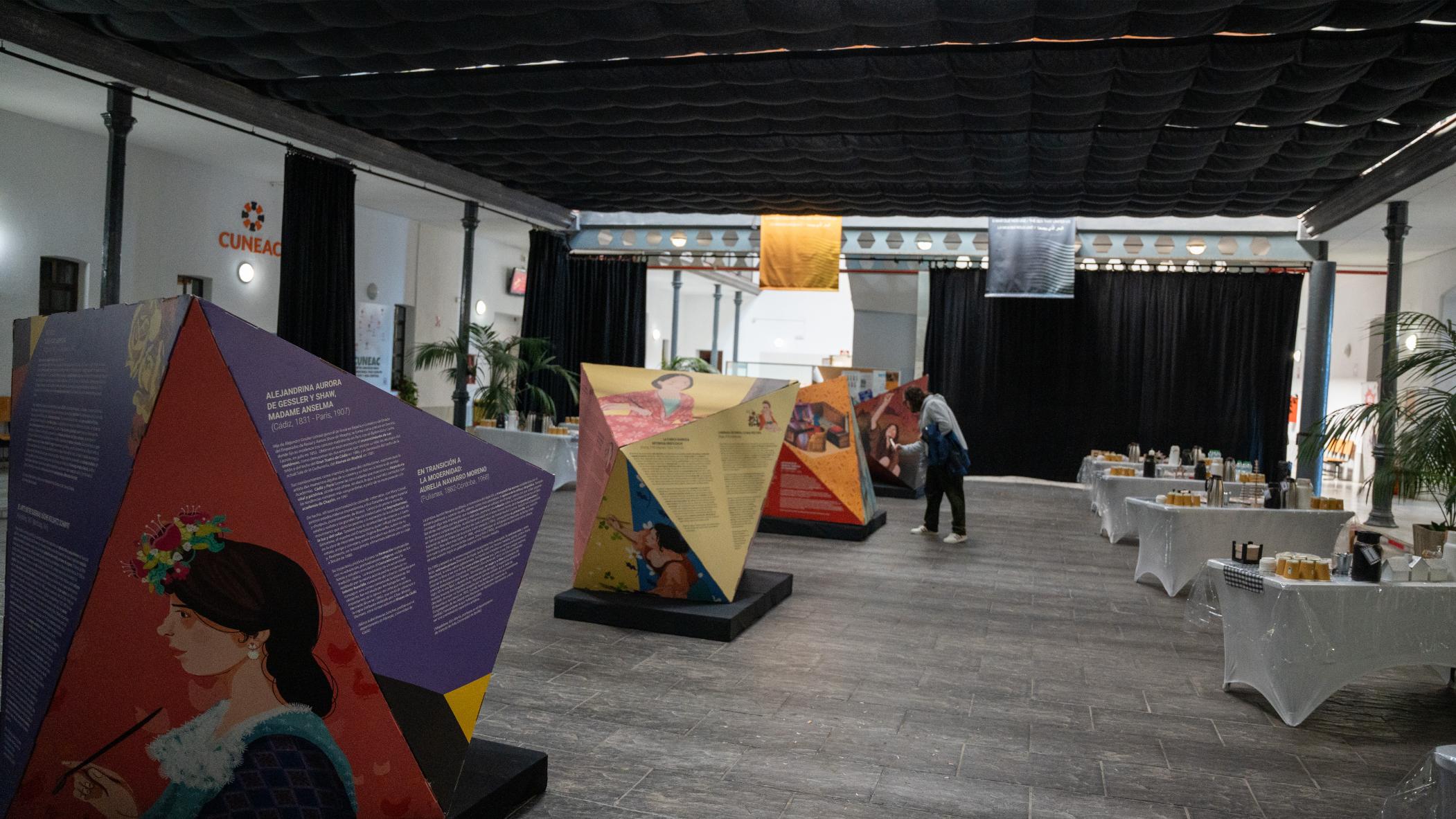
As the central element of the event, the exhibition Women in the Arts was also inaugurated. This exhibition offers a historical journey from Prehistory to the 20th century through the work of twelve women artists. Its guiding thread is the genre of the self-portrait, a tool which, as explained by the exhibition curators —Professor García Romero and Professor José Ramón Barros Caneda— enabled these artists “to shape the expression of their own identity, claim their independence and project themselves intellectually within the society of their time.”
The exhibition, which seeks to rewrite Art History from a more equal and global perspective, will remain on display in the courtyard of the Constitution 1812 Building until 12 January, continuing the work of outreach and awareness launched today with students from across the province.