
More than 500 students take part in the University of Cádiz event ‘Women in Science: A Path of Vocation’ in San Fernando 11 February 2026
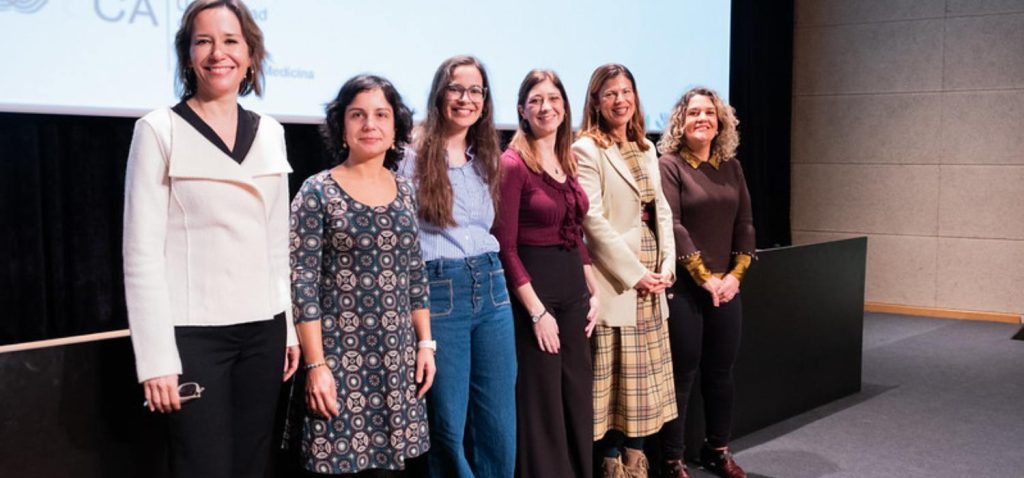
11F at the University of Cádiz features activities in schools, meetings and awareness campaigns to inspire scientific vocations. The University currently counts 994 women researchers, with female full professors now reaching 28%, compared to 24% last year
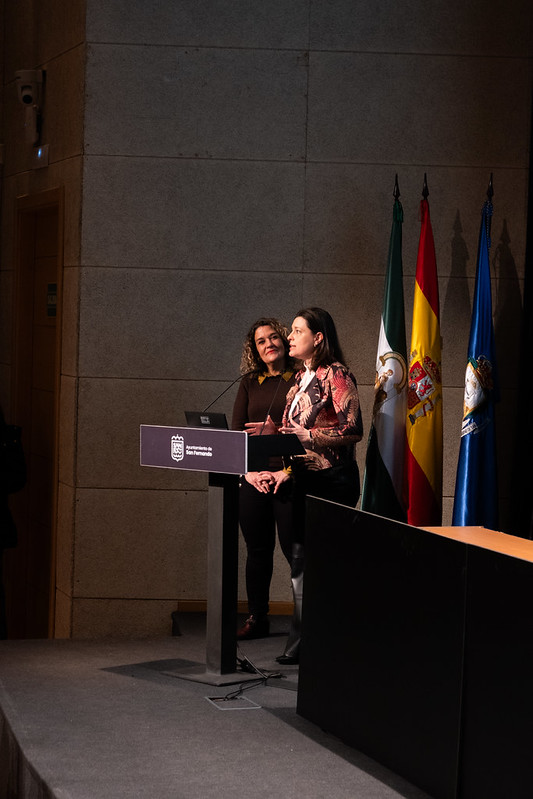
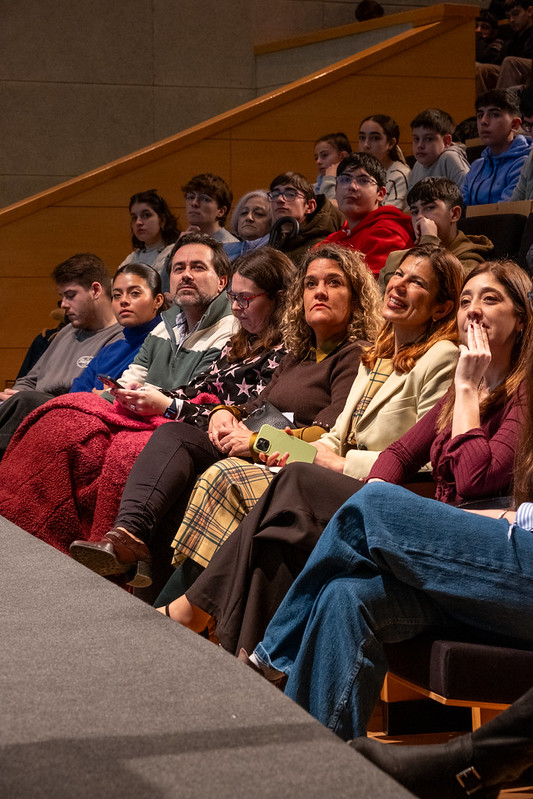
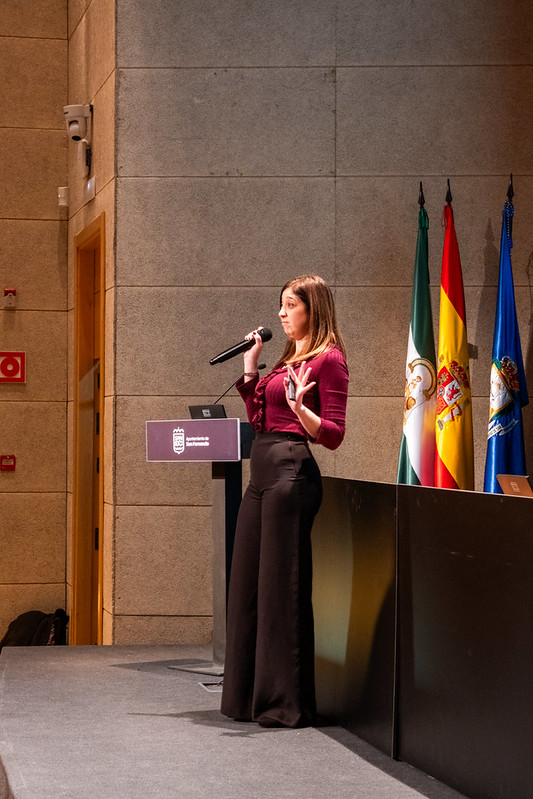
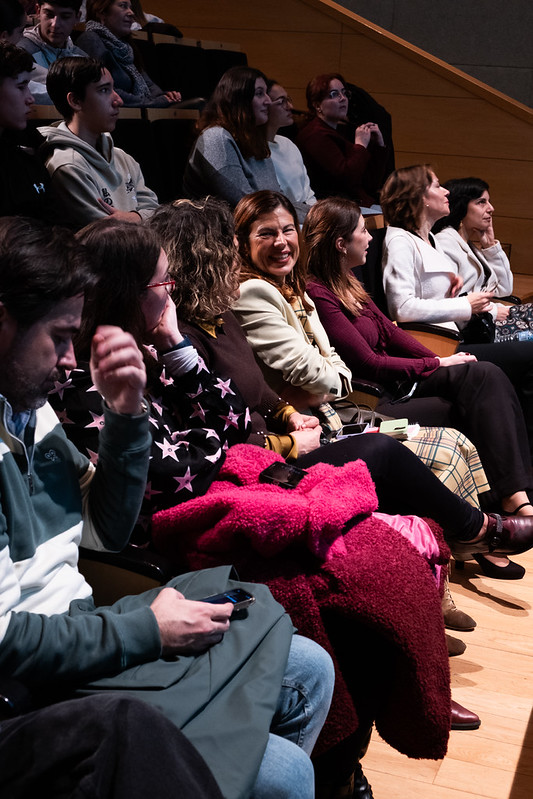
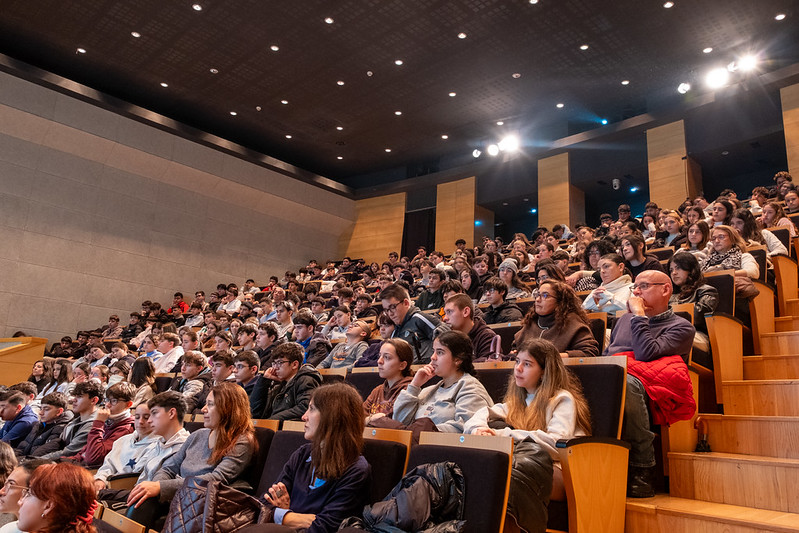
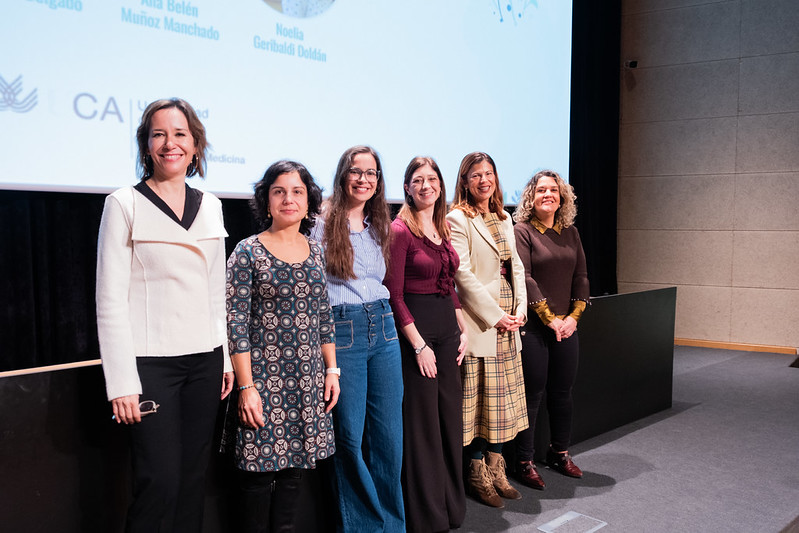
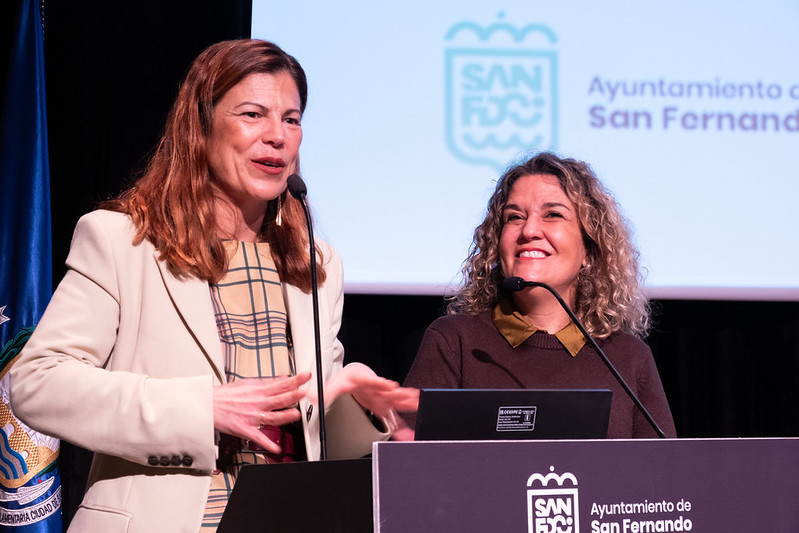
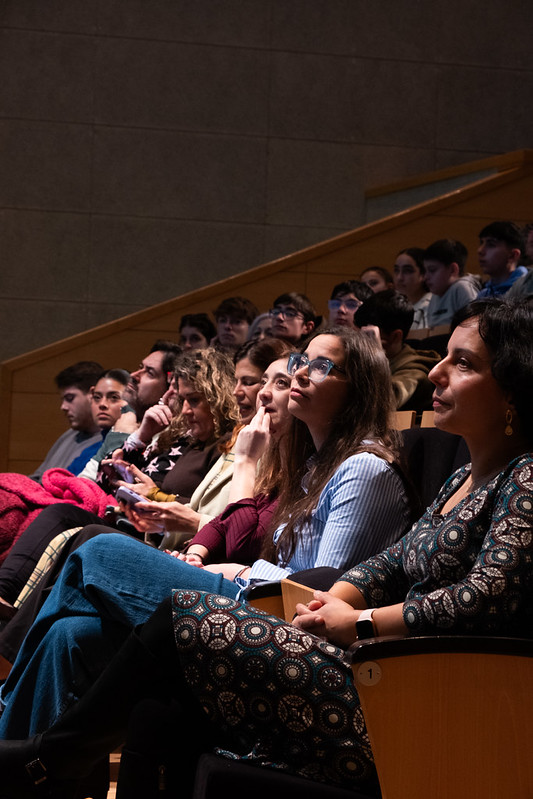
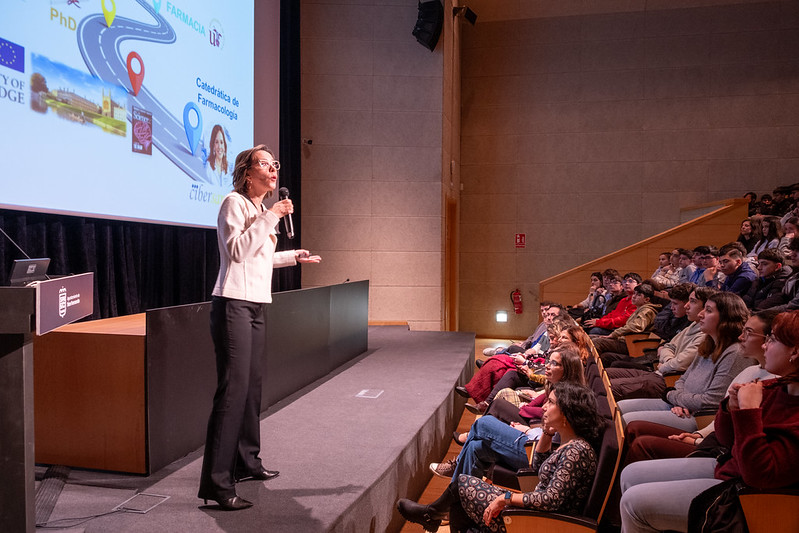
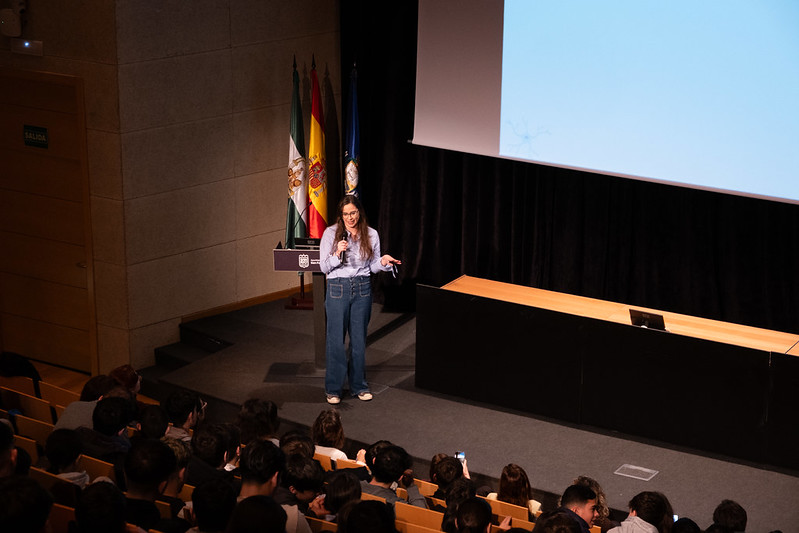
The University of Cádiz has held in San Fernando the outreach event ‘Women in Science: A Path of Vocation’, organised within the framework of the International Day of Women and Girls in Science (11F), bringing together more than 500 students from local schools. The event was attended by the Mayor of San Fernando, Patricia Cavada; the City Council’s Delegate for Women and Equality, Isabel Blanco; the UCA’s Director General for Equality, Francisca Bernal; and the Director of Scientific Outreach at UCA, Blanca Román. The gathering highlighted the importance of bringing research into classrooms and providing female scientific role models for younger generations.
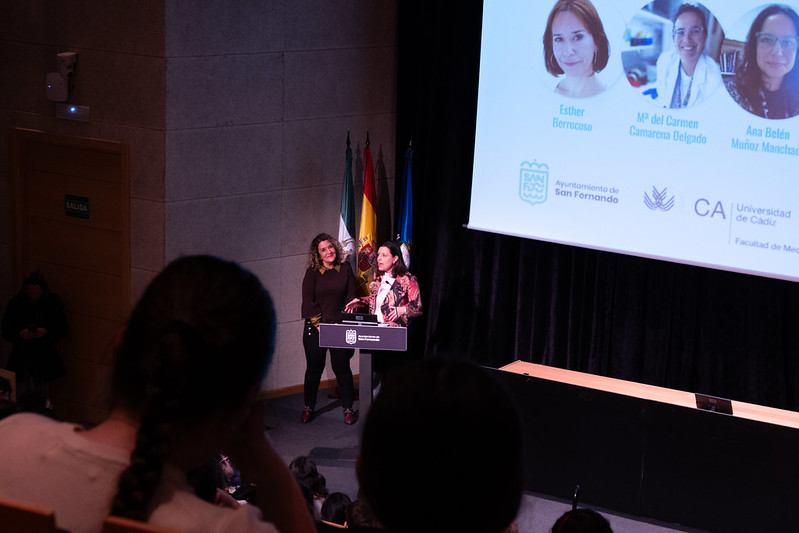
Coordinated by Professor Noelia Geribaldi and made possible through collaboration between the City Council of San Fernando, the Dean’s Office of the Faculty of Medicine, the Equality Unit and UCA’s Science Communication Unit (UCC+i), the event aimed to showcase the role of women in science and to convey to students that scientific vocation is built through curiosity, effort and opportunity. In this sense, 11F has become a key date to recognise historically overlooked contributions while also encouraging new vocations among girls and adolescents at a decisive moment in their academic choices.
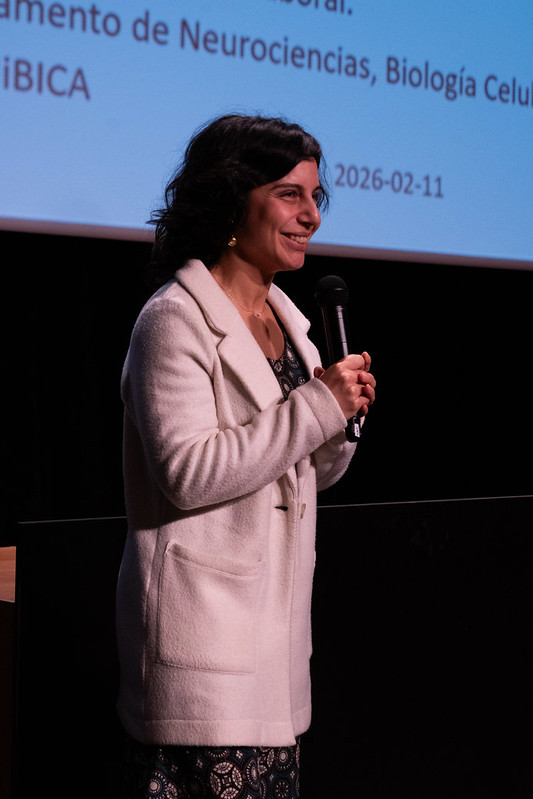
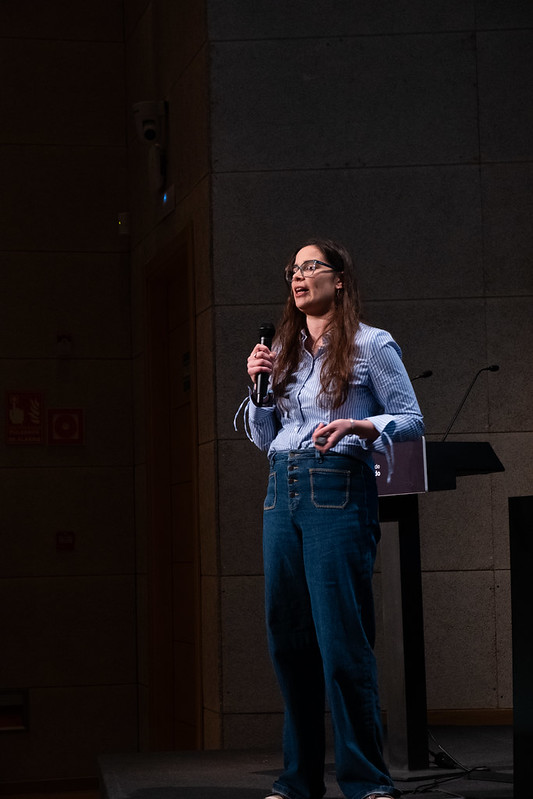
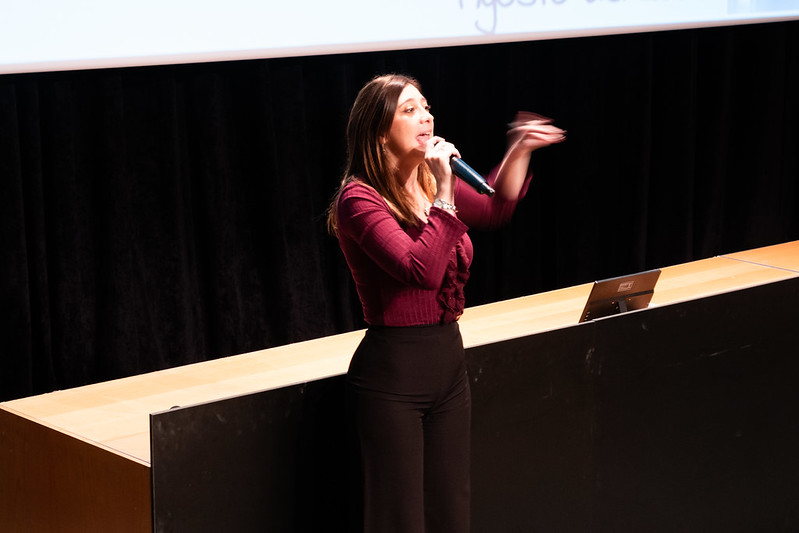
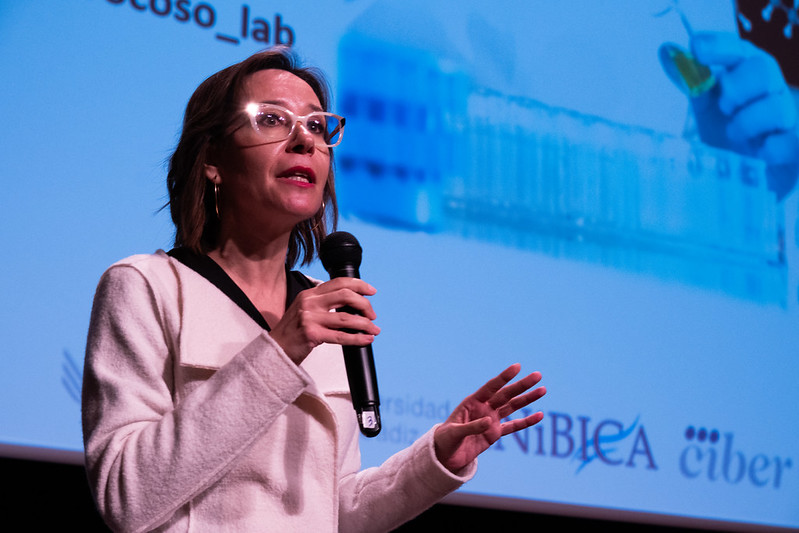
During the session, speakers offered accessible and engaging perspectives on cutting-edge biomedical and neuroscientific research, connecting science with everyday life. Professor Esther Berrocoso, Head of the Department of Neuroscience at UCA, addressed how chronic pain modifies the brain and its relationship with mental health disorders. Postdoctoral researcher María del Carmen Camarena invited attendees to look “beyond neurons” to understand the role of glial cells — particularly astrocytes — in mental disorders and anxiety associated with chronic pain, also sharing her personal experience of transitioning from student to leading her own experiments after a research stay abroad.
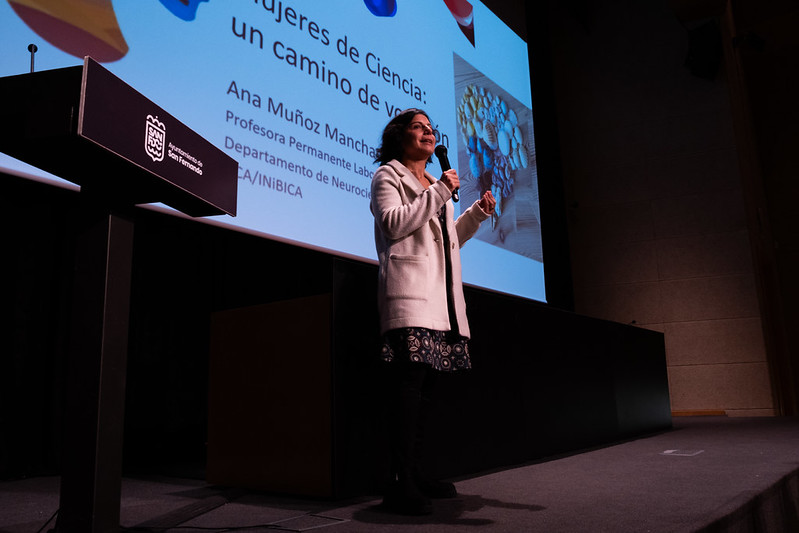
Professor Ana Belén Muñoz reflected on the evolution of scientific vocation and explained her group’s work studying the brain “cell by cell” to better understand neurological diseases, a crucial step toward improved diagnosis and treatment. The session concluded with Professor Noelia Geribaldi, who offered students an engaging metaphor of the “laboratory” each person carries in their head, explaining how the brain can learn, reorganise, generate new neurons and promote its own repair, as well as the habits that support its proper functioning.
Following the San Fernando event, the University of Cádiz’s 11F programme continues with further outreach activities, including ‘Science Cafés’ at the Algeciras Campus and visits to research centres such as INMAR (Puerto Real). A new session of the cycle ‘Women in Science: A Path of Vocation’ will be held at the Faculty of Medicine in Cádiz, alongside meetings with women scientists in secondary schools, a STEM exhibition and digital awareness initiatives, consolidating 11F as an extended programme of inspiration and visibility.
This year’s 11F also provides an opportunity to contextualise the presence of women in research at the University of Cádiz. The institution currently counts 994 women researchers. Among key academic categories, women represent 48.1% of substitute lecturers, 46.2% of assistant professors with a PhD, 53.1% of contracted PhD lecturers, 45.6% of associate professors and 28.5% of full professors. Notably, the proportion of female full professors has increased from 24% last year to 28%, reflecting a significant upward trend at the highest academic level.
In terms of research leadership, the University of Cádiz has 275 principal investigators, of whom 115 are women, representing approximately 42% of the total.