

Cookies Policy

The website of the University of Cádiz uses its own and third-party cookies to carry out analysis of use and measurement of traffic, as well as to allow the correct functioning in social networks, and in this way to improve your browsing experience.

If you want to configure cookies, press the button Customize Cookies. You can also access the cookie settings at any time from the corresponding link in the footer.

For more information about cookies you can consult the Cookies policy from the website of the University of Cádiz.

Cookies customization

The website of the University of Cádiz uses its own and third-party cookies to carry out analysis of use and measurement of traffic, as well as to allow the correct functioning in social networks, and in this way to improve your browsing experience.

For more information about cookies you can consult the Cookies policy from the website of the University of Cádiz. You can also access the cookie settings at any time from the corresponding link in the footer.

You can configure the website cookies according to their purpose:

  • Statistical analysis

    Third-party cookies (Google Analytics) are used on this site that allow the number of users to be quantified anonymously (personal data will never be obtained to identify the user) and thus be able to analyze the use made by users of our service, in order to improve the browsing experience and offer our content optimally.

  • Social networks

    Third-party cookies are used on this website that allow the proper functioning of some social networks (mainly YouTube and Twitter) without using any personal data of the user.

UniversidaddeCádiz
evento

Sodiyara. El legado rítmico de las danzas africanas 5 November 2018
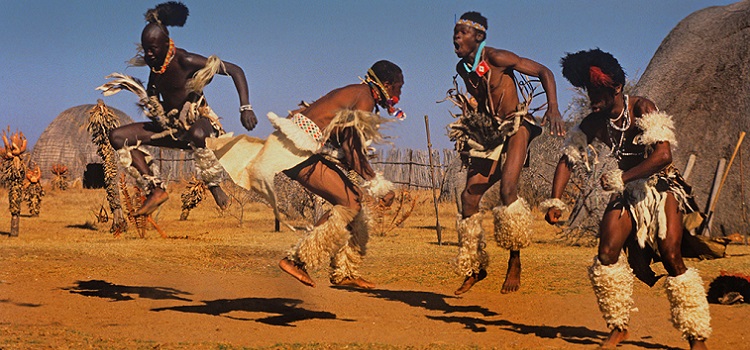
Sodiyara. El legado rítmico de las danzas africanas

En todas partes donde hay una interacción entre un lugar, un tiempo y un uso de energía, ahí está el ritmo. Lo que llamamos danza es, sin duda, un campo privilegiado de manifestaciones rítmicas.

El “Legado Rítmico” de las danzas africanas es, ante todo, comprender que el ritmo no es la medida del movimiento sino lo que el propio movimiento crea y construye. El ritmo es la “diferencia” engendrada a partir de la repetición.

A través de una serie de ejercicios de “Caligrafías Rítmicas” nos iremos introduciendo en los elementos básicos de las danzas africanas:
– La Marcha y su poder dinamizador del cuerpo
– La amortiguación
– La columna vertebral y su implicación en el movimiento…

El trazado de “Cartografías Rítmicas” completará nuestro trabajo:
-Esquemas de recorrido
-El espacio vertebrado
-Las relaciones grupales

Información e inscripción