

Sistemas aéreos tripulados remotamente (RPAS): aplicaciones a la investigación y conservación del medio natural, cultural e industrial 20 July 2017
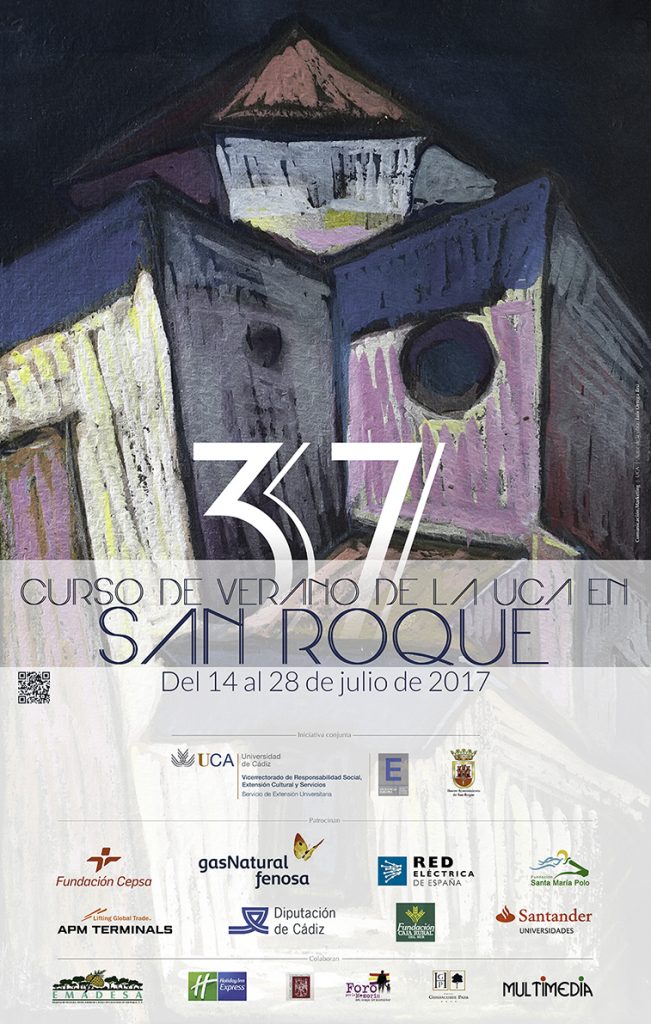
OBJETIVOS:
Los RPAS, también conocidos coloquialmente como drones, están suponiendo una
auténtica revolución en numerosos ámbitos de la vida civil. El abaratamiento de
estos sistemas y su miniaturización han facilitado que se haya creado un nuevo
sector tecnológico civil. Solo en Europa, y según estimaciones de la Comisaria
Europea del Transporte, en los próximos años se estima que esta industria moverá
alrededor de 15.000 millones de euros y creará 150.000 empleos. Para 2020 se estima
que habrá en el mundo unos 16 millones de equipos.
En este seminario se pretende introducir a los asistentes a las características de
estos sistemas, a la normativa estatal y europea y, a algunas aplicaciones que se
están desarrollando en el mundo, y en particular, en la UCA para el apoyo a
investigación y conservación del medio natural, cultural e industrial. Para ello,
se contará con especialistas en sus campos que presentarán las bases de sus
trabajos y ejemplos prácticos de ello.
PROGRAMA:
Coordinador
Dr. Juan Antonio López Ramírez: Doctor Ingeniero Químico por la UCA. Profesor del Departamento de Tecnologías del Medio Ambiente de la UCA (Facultad de Ciencias del Mar y Ambientales). Jefe de Mantenimiento del Servicio de drones de la UCA. Piloto de RPAS. Profesor del título de Experto Universitario en Vehículos Aéreos no Tripulados y sus Aplicaciones Civiles de la Universidad de Cádiz.
Duración: 25 horas (20 horas presenciales y 5 horas en Campus Virtual)
Calendario: 20, 21 y 22 de julio de 2017
Horario: De 09.00h. a 15.00h.
Lugar: Palacio de los Gobernadores de San Roque. Plaza de la Iglesia s/n
Edad mínima de matriculación: 16 años
Inscripción: https://celama.uca.es/37sanroque/seminarios/c07