

Cookies Policy

The website of the University of Cádiz uses its own and third-party cookies to carry out analysis of use and measurement of traffic, as well as to allow the correct functioning in social networks, and in this way to improve your browsing experience.

If you want to configure cookies, press the button Customize Cookies. You can also access the cookie settings at any time from the corresponding link in the footer.

For more information about cookies you can consult the Cookies policy from the website of the University of Cádiz.

Cookies customization

The website of the University of Cádiz uses its own and third-party cookies to carry out analysis of use and measurement of traffic, as well as to allow the correct functioning in social networks, and in this way to improve your browsing experience.

For more information about cookies you can consult the Cookies policy from the website of the University of Cádiz. You can also access the cookie settings at any time from the corresponding link in the footer.

You can configure the website cookies according to their purpose:

  • Statistical analysis

    Third-party cookies (Google Analytics) are used on this site that allow the number of users to be quantified anonymously (personal data will never be obtained to identify the user) and thus be able to analyze the use made by users of our service, in order to improve the browsing experience and offer our content optimally.

  • Social networks

    Third-party cookies are used on this website that allow the proper functioning of some social networks (mainly YouTube and Twitter) without using any personal data of the user.

UniversidaddeCádiz
evento

La expansión atlántica en la baja Edad Media: Cádiz y la frontera marítima 4 July 2019
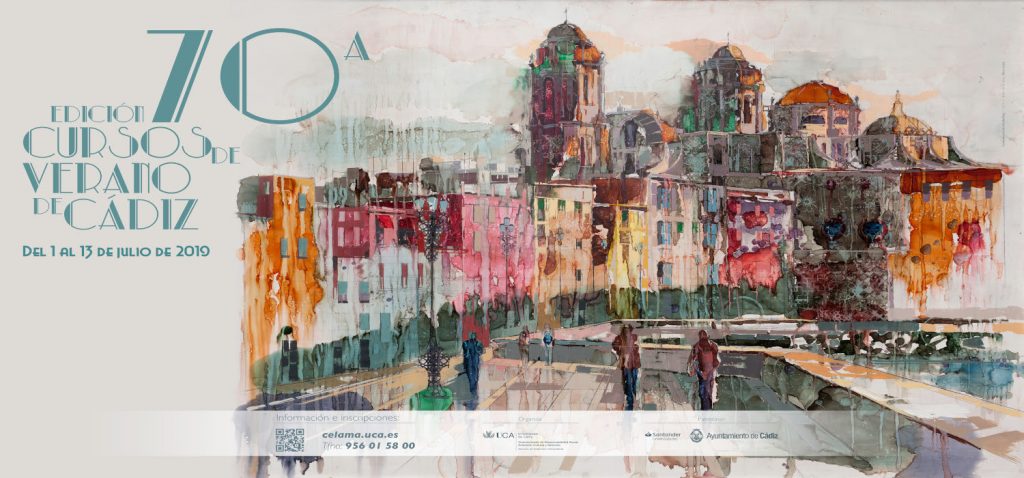
La expansión atlántica en la baja Edad Media: Cádiz y la frontera marítima

El principal objetivo es abordar el Océano Atlántico como espacio de intercambios de mercancías, así como conocer el papel desempeñado por el puerto de Cádiz dentro de las redes comerciales europeas durante la Baja Edad Media, a raíz de la apertura de la ruta de Poniente. La historiografía reciente ha rescatado el papel mercantil de Cádiz y su Bahía en el comercio internacional medieval a tenor del hallazgo de nuevas fuentes documentales procedentes de archivos nacionales y extranjeros. De hecho, con este curso de verano se pretende actualizar el conocimiento sobre la ciudad durante los siglos XIV y XV y poner de relieve la trascendencia de su puerto y de su entorno con anterioridad al Descubrimiento de América.

Información e insccripción