

Cookies Policy

The website of the University of Cádiz uses its own and third-party cookies to carry out analysis of use and measurement of traffic, as well as to allow the correct functioning in social networks, and in this way to improve your browsing experience.

If you want to configure cookies, press the button Customize Cookies. You can also access the cookie settings at any time from the corresponding link in the footer.

For more information about cookies you can consult the Cookies policy from the website of the University of Cádiz.

Cookies customization

The website of the University of Cádiz uses its own and third-party cookies to carry out analysis of use and measurement of traffic, as well as to allow the correct functioning in social networks, and in this way to improve your browsing experience.

For more information about cookies you can consult the Cookies policy from the website of the University of Cádiz. You can also access the cookie settings at any time from the corresponding link in the footer.

You can configure the website cookies according to their purpose:

  • Statistical analysis

    Third-party cookies (Google Analytics) are used on this site that allow the number of users to be quantified anonymously (personal data will never be obtained to identify the user) and thus be able to analyze the use made by users of our service, in order to improve the browsing experience and offer our content optimally.

  • Social networks

    Third-party cookies are used on this website that allow the proper functioning of some social networks (mainly YouTube and Twitter) without using any personal data of the user.

UniversidaddeCádiz
evento

Archipiélagos de Ire Lenes 15 May 2019
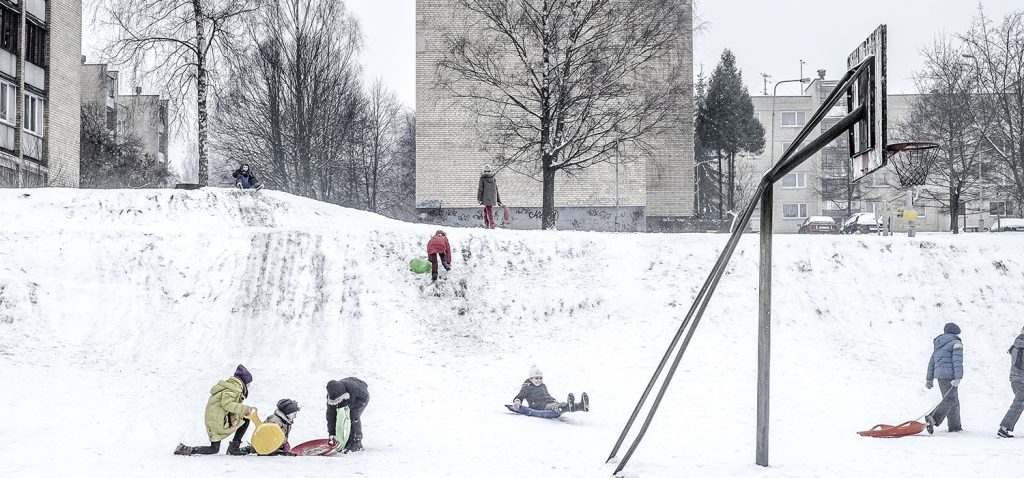
Archipiélagos de Ire Lenes

Desde el 15 de mayo y hasta el 27 de junio de 2019 podrá visitarse en la Sala Kursala del Edificio Constitución 1812 de Cádiz la exposición “Archipiélagos” de la fotógrafa Ire Lenes, basada en la investigación de la vida de las minorías étnicas en Lituania, primera república en independizarse la URSS, donde cualquier aspecto que se vincule con lo soviético se mira con recelo.

“Archipiélagos” constituye un signo del día a día de esta población báltica, de etnia no lituana, que se mantiene unida por aquello que les separa, el idioma ruso. En ella se muestra como la independencia de Lituania de la Unión Soviética junto a Estonia y Letonia supuso una transición radical, donde predominó la idea de hacer tabula rasa, todo símbolo soviético desapareció, las fábricas impulsadas desde Moscú se cerraron y el ruso dejó de utilizarse como idioma oficial. Los ecos de un pasado bajo la hoz y el martillo debían suprimirse con velocidad, encarando un futuro en libertad. Una huida sin marcha atrás y que en poco más de 25 años desde su independencia, esta pequeña república ha dado un giro de 180 grados, entrando a formar parte de la Unión Europea en 2004.

La muestra podrá visitarse de lunes a viernes en horario de 9.00 a 21.00 horas.